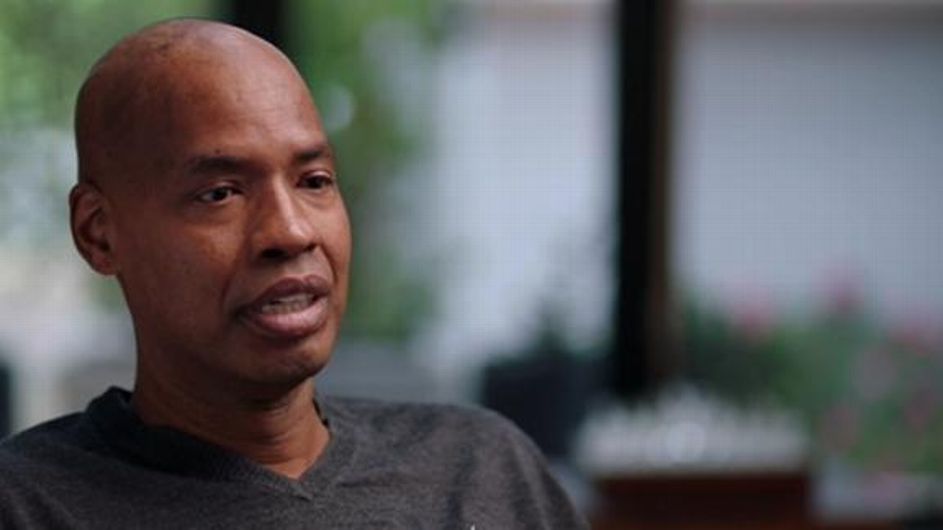
UPDATE: Former NBA player Jason Collins, who made history as the first openly gay active player in the league, has just revealed he is battling Stage 4 glioblastoma, one of the deadliest forms of brain cancer. Collins shared his diagnosis in a candid message, stating, “I’m fighting,” and emphasizing the urgency of his situation.
This shocking announcement comes just months after Collins married his partner, Brunson Green, in a beautiful ceremony in Austin, Texas, in May. By August, Collins faced alarming health issues that ultimately led to his diagnosis. “I was nowhere near ready” for their planned trip to the US Open, he recalled, as he struggled with focus and memory loss.
After experiencing troubling symptoms, Collins underwent a CT scan at UCLA. In a matter of minutes, he was advised to see a specialist, which indicated the severity of his condition. “Within hours, my mental clarity, short-term memory, and comprehension disappeared,” he wrote, describing his decline as akin to “an NBA player’s version of ‘Dory’ from ‘Finding Nemo.’”
Collins detailed the aggressive nature of his glioblastoma, which he described as a “monster with tentacles” spreading across his brain. The biopsy revealed a troubling growth factor of 30%, suggesting that without prompt treatment, he could face a life expectancy of just 6 weeks to 3 months.
“We aren’t going to sit back and let this cancer kill me without giving it a hell of a fight,” Collins declared, outlining his determination to combat the disease.
After being hospitalized, Collins began treatment with a drug called Avastin, marking the start of his fight against this formidable adversary. “Within days, I started coming out of my fog,” he noted, as he regained the ability to walk and communicate.
As part of his treatment plan, Collins is now receiving targeted chemotherapy at a clinic in Singapore. This innovative approach uses a delivery mechanism designed to penetrate the blood-brain barrier and target glioblastoma cells specifically.
Collins expressed hope that his journey could pave the way for future advancements in treatment, stating, “If what I’m doing doesn’t save me, I feel good thinking that it might help someone else who gets a diagnosis like this one day.” His commitment to fighting this disease is not just for himself but for others who may face similar challenges.
This heartfelt revelation has garnered widespread attention, drawing support from fans and fellow athletes alike. Collins’ story is not just one of personal struggle but also a beacon of hope and resilience in the face of life-threatening adversity.
What’s next for Collins? He continues to undergo radiation therapy while exploring all available treatment options. As he fights this aggressive cancer, he remains committed to sharing his experience, ensuring that his story resonates with those who may be facing similar battles.
Collins’ journey is a poignant reminder of the human spirit’s strength and the fight for life, inspiring many to advocate for advancements in cancer treatment and support those affected by this devastating disease.