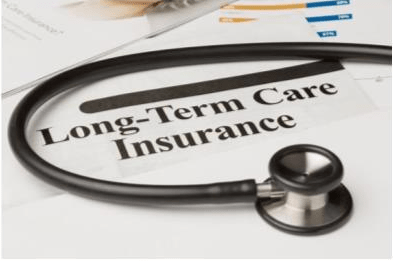
The rising costs of long-term care insurance have prompted many baby boomers to reassess the value of this financial product. As individuals approach retirement age, the decision to invest in long-term care insurance has become increasingly critical. According to financial experts, including senior editor Jim Miller, the benefits and drawbacks of such insurance require careful consideration.
Long-term care insurance is designed to cover the costs associated with assisted living, nursing homes, and in-home care services. Without this insurance, individuals may face significant financial burdens as they age. The escalating premiums for these policies have raised concerns among potential buyers, especially given the unpredictability of future health care needs.
Understanding the Costs and Coverage
In recent years, the average cost of long-term care insurance has increased significantly. For example, premiums for a comprehensive policy can range from $2,000 to $4,000 annually, depending on the individual’s age and health status. These costs can strain the budgets of many retirees, leading to tough financial decisions.
The coverage provided by long-term care insurance varies widely. Policies may cover a range of services, including personal care assistance and skilled nursing care. However, potential buyers should scrutinize the terms of each policy, as some may exclude certain conditions or have waiting periods before benefits kick in. Understanding the fine print is essential to ensure that the policy aligns with one’s personal health care needs.
Pros and Cons of Long-Term Care Insurance
There are distinct advantages to purchasing long-term care insurance. Firstly, it can provide peace of mind, knowing that financial support is available for future health care needs. This insurance can also prevent the depletion of savings and assets that might otherwise be used for long-term care expenses.
Conversely, critics argue that the high premiums may not justify the benefits, particularly for those who may never require extensive long-term care. Additionally, some policies may have limited coverage, which can leave individuals vulnerable if their care needs exceed the policy limits.
In conclusion, the decision to invest in long-term care insurance is a personal one that requires thorough evaluation of both financial implications and health care needs. As costs continue to rise, it is essential for baby boomers and their families to weigh the pros and cons carefully, ensuring they make informed choices about their future health care and financial security.