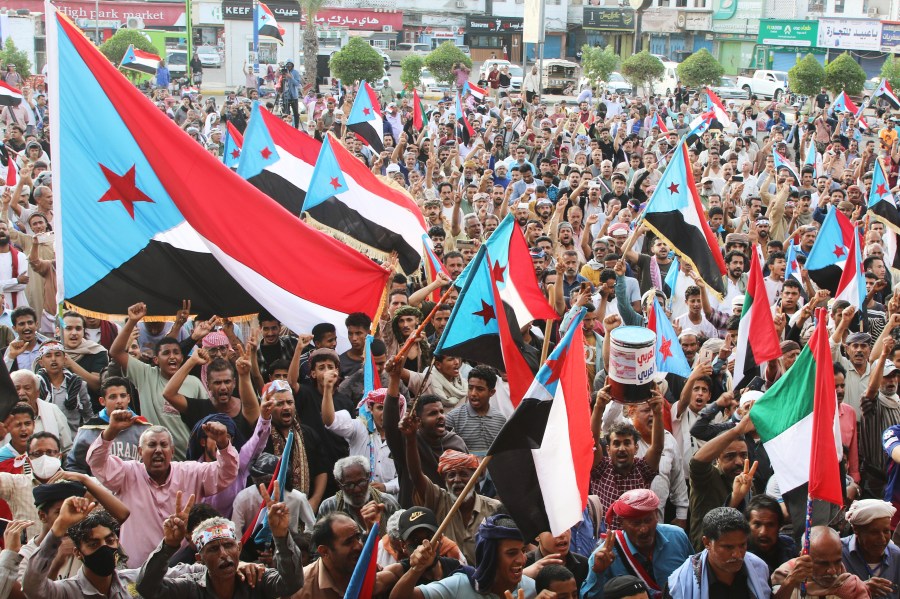
Yemen’s separatist movement has taken a significant step towards establishing an independent southern state by announcing a new constitution on September 29, 2023. The Southern Transitional Council (STC), which is supported by the United Arab Emirates (UAE), made this declaration during a press conference in the southern city of Aden. The STC is calling on other factions involved in Yemen’s protracted conflict to recognize this move, intensifying existing tensions in a region already fraught with geopolitical complexities.
The announcement has escalated the conflict between various factions in Yemen, particularly involving the Gulf powers of Saudi Arabia and the UAE. The two nations have historically supported opposing sides in the ongoing civil war, which has ravaged the country since 2015. The UAE has been a key backer of the STC, while Saudi Arabia continues to support the internationally recognized government of President Abdrabbuh Mansur Hadi.
The new constitution outlines plans for governance and sovereignty in southern Yemen, where the STC has sought greater autonomy. According to STC leader Aidarous al-Zubaidi, the declaration is a “historic moment” for southern Yemenis who have long desired independence. He urged all parties to “respect the will of the southern people” and accept the new constitutional framework.
Impact on Regional Stability
The STC’s move could further destabilize an already volatile region. The announcement has drawn criticism from Hadi’s government, which has called the constitution “unilateral” and a violation of ongoing peace talks facilitated by Saudi Arabia. Analysts suggest that this escalation may complicate efforts to reach a political resolution to the conflict, which has left millions in dire humanitarian conditions.
As the situation unfolds, the international community is closely monitoring the implications of the STC’s announcement. Humanitarian groups have expressed concerns that the renewed tensions could exacerbate the ongoing crisis in Yemen, where more than 24 million people require assistance. The United Nations has been working to mediate between the conflicting parties and promote a peaceful resolution.
With the separatists now formally outlining their vision for an independent state, the stakes have risen significantly for all involved. The UAE’s backing of the STC indicates a potential shift in the dynamics of the Yemeni conflict, emphasizing the need for diplomatic engagement from global powers to mitigate further escalation.
The situation remains fluid, and it is unclear how other factions will respond to the STC’s constitutional declaration. The coming days may prove crucial in determining whether this move will lead to increased hostilities or open the door to new negotiations in the complex landscape of Yemeni politics.