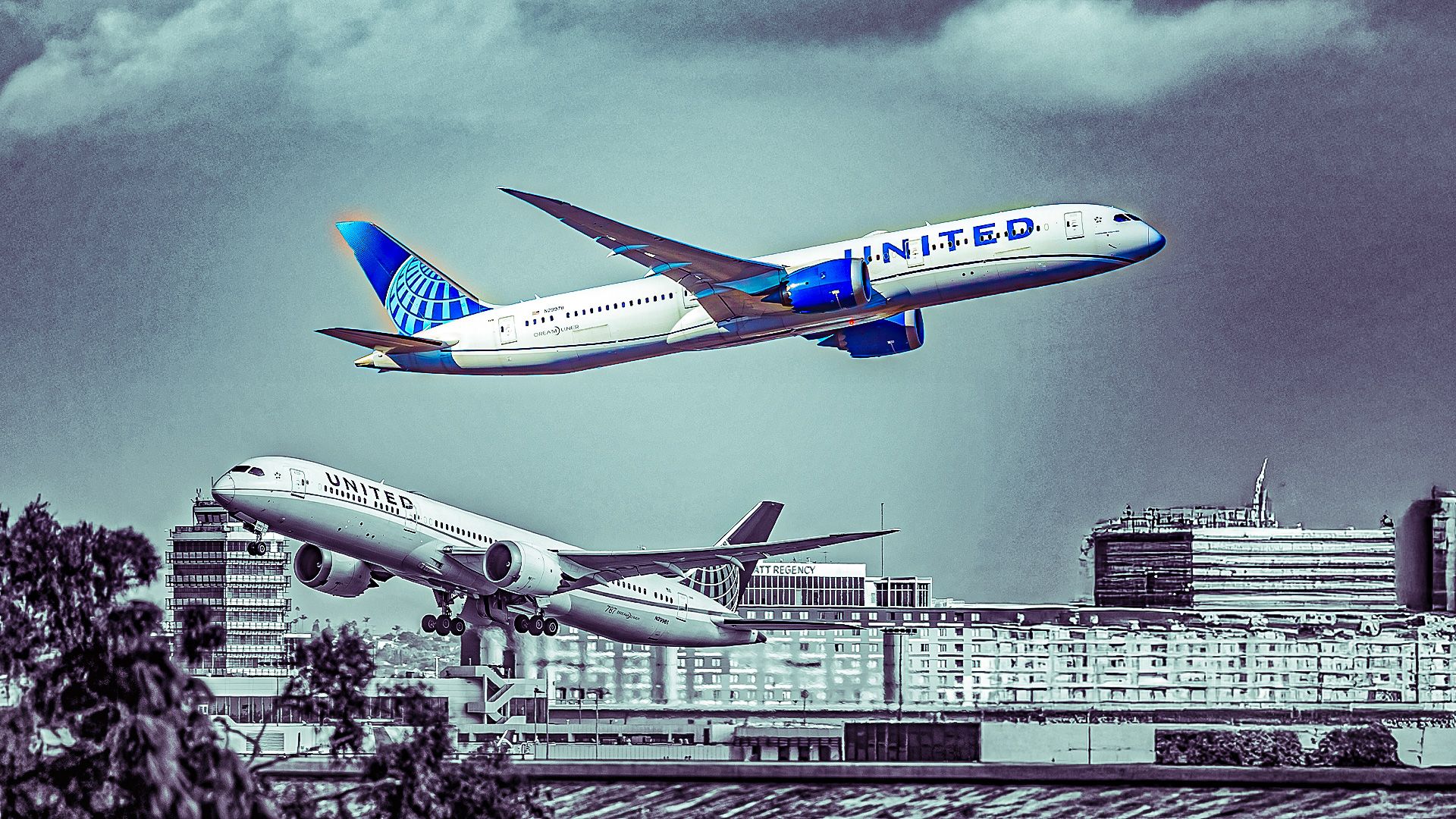
The landscape of long-haul travel is evolving, with several airlines set to introduce new ultra-long-haul nonstop flights in 2026. These routes promise to test aircraft capabilities and the limits of passenger endurance, creating a buzz among frequent flyers and aviation enthusiasts. Notably, Qantas is poised to launch nonstop flights from Sydney to London Heathrow and New York JFK using its advanced Airbus A350-1000ULRs. Meanwhile, Turkish Airlines has indicated a strong interest in establishing direct services from Istanbul to Auckland, although these plans remain unconfirmed.
Introducing the Longest Routes
The list of the world’s longest nonstop flights is defined by the term “nonstop,” which excludes any services that involve stops for refueling or crew changes. For instance, Air India‘s previous routes between Bengaluru/Mumbai and San Francisco do not qualify, as they temporarily ceased operations and had made refueling stops prior to suspension.
Several new routes are expected to commence in 2026, including Delta Air Lines’ service from Atlanta to Riyadh, Qantas’ flights from Sydney to Las Vegas, and Royal Jordanian to Dallas. However, none of these routes exceed the current maximum block time of 15 hours and 35 minutes required to make the list of the longest nonstop flights.
The anticipated maximum nonstop block times for 2026 are as follows:
– 19h 15m: New York JFK to Singapore (Singapore Airlines, daily A350-900ULR)
– 19h 10m: Newark to Singapore (Singapore Airlines, daily A350-900ULR)
– 18h 10m: New York JFK to Auckland (Air New Zealand, three weekly 787-9; Qantas, five weekly 787-9)
– 17h 55m: Beijing Capital to Mexico City (Hainan Airlines, three weekly to daily 787-9)
– 17h 50m: Perth to London Heathrow (Qantas, daily 787-9)
Other notable routes nearing inclusion due to their lengthy durations include Auckland to Dubai (17h 25m) and Delhi to New York JFK (17h 20m).
Route Performance and Passenger Demand
Air New Zealand’s service between Auckland and New York JFK was launched during the pandemic in 2022, marking a significant addition to the airline’s network. Over a year, Air New Zealand transported approximately 53,573 round-trip passengers on this route. Despite this number, the airline reported a seat factor of just 63.7%, which has limited its capacity to increase flight frequency beyond three weekly departures. In contrast, Qantas achieved a seat factor of 80.0%, reflecting stronger demand for its premium offerings.
Similarly, United Airlines began its Houston to Sydney service in 2018, positioning itself as a leading player in the ultra-long-haul market. Initially operating year-round, the route has since shifted to a seasonal schedule post-pandemic. In the year leading to November 2025, United reported a seat factor of only 69.0% on this route, suggesting challenges in maintaining passenger loads.
As airlines prepare for these new routes, the aviation industry continues to monitor demand and operational efficiencies. With six of the newly planned routes being entirely new destinations, the competitive landscape for long-haul travel is set for an exciting transformation in 2026. The performance of these flights and their ability to attract passengers will be critical in shaping future air travel trends.