Venezuela has released several high-profile opposition figures, activists, and journalists in a move described by the government as an effort to “seek peace.” This decision comes shortly after the capture of former President Nicolás Maduro by U.S. forces on charges related to drug trafficking. The release of these individuals, which includes both Venezuelan citizens and foreigners, appears to align with pressure from the U.S., as noted by U.S. President Donald Trump.
During an interview on Fox News, Trump indicated that the releases were made at the request of the United States, stating, “they’ve been great… Everything we’ve wanted, they’ve given us.” This sentiment reflects ongoing U.S. efforts to influence the political landscape in Venezuela, particularly as Maduro’s allies now govern the nation.
High-Profile Releases and Public Response
Among those released was Biagio Pilieri, an opposition leader involved in the 2024 presidential campaign of María Corina Machado, a Nobel Peace Prize nominee. Also freed was Enrique Márquez, a former electoral authority and candidate in the upcoming presidential elections. Advocacy group Foro Penal, based in Caracas, confirmed the releases.
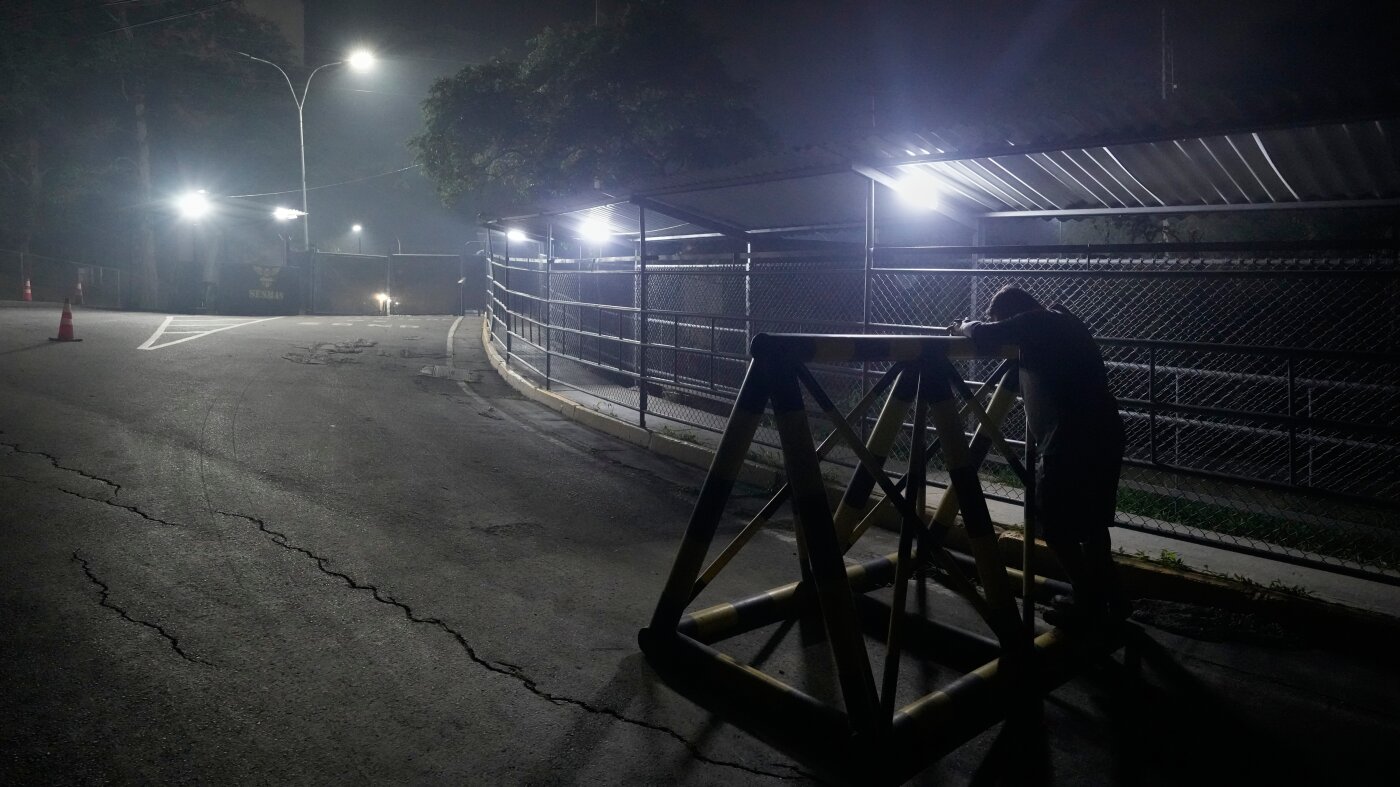
Videos shared on social media show Márquez and Pilieri joyfully reuniting with loved ones outside the prison gates. One clip captures Márquez, smiling, as he video-calls family members, saying, “Soon I will be with you all.” The releases occurred in Guatire, about an hour east of Caracas, where families gathered outside prisons, chanting “Libertad! Libertad!” which translates to “Freedom! Freedom!”
The Venezuelan government has a history of releasing political prisoners during times of heightened tension, which raises questions about the motivations behind this latest wave of releases. Critics and human rights organizations, including Foro Penal, have long called for the liberation of detained political figures.
International Implications and Reactions
The Spanish government confirmed the release of five of its citizens, including prominent lawyer and human rights advocate Rocío San Miguel. Spanish Foreign Minister José Manuel Albares identified the other released individuals as Andrés Martínez, José María Basoa, Ernesto Gorbe, and Miguel Moreno. Martínez and Basoa were detained in September 2024, accused of conspiring to destabilize the Maduro government, allegations that Spain has firmly denied.
As news of the releases spread, families rushed to various prisons across Venezuela, anxiously seeking information about their detained relatives. Among those waiting outside the Guatire prison was Pedro Durán, who hoped to reunite with his brother Franklin, detained since 2021. Durán, who traveled from Spain upon hearing rumors of potential releases, expressed his overwhelming joy, stating, “I don’t have words to express the emotion I’m feeling.”
The situation presents a complex picture. While some see the releases as a positive step towards dialogue, others remain skeptical. Alfredo Romero, president of Foro Penal, voiced cautious optimism, suggesting that this might signal the start of dismantling Venezuela’s repressive system. He emphasized the need for genuine change rather than a mere façade.
Despite the potential for progress, concerns linger. Ronal Rodríguez, a researcher at the Venezuelan Observatory at the University of Rosario in Colombia, noted that the Venezuelan government often uses prisoner releases as political leverage. He highlighted that past releases have coincided with strategic moments, suggesting that these actions may not reflect a fundamental shift in policy.
On the international front, Trump’s administration has recently taken steps to assert control over Venezuelan oil resources, including seizing sanctioned tankers transporting petroleum. This indicates an ongoing commitment to influence Venezuela’s political direction through economic means.
As the landscape in Venezuela continues to evolve, the significance of these prisoner releases remains to be seen. Whether this marks the beginning of a more open dialogue or a calculated political maneuver will depend on the government’s subsequent actions and the international community’s response.