The U.S. State Department announced on January 17, 2024, that it will suspend the processing of immigrant visas for nationals from 75 countries deemed likely to require public assistance while residing in the United States. This decision follows concerns regarding welfare dependency among migrants, with officials stating that these individuals “take welfare from the American people at unacceptable rates.”
In a post on X, the State Department emphasized that the suspension aims to protect the interests of U.S. taxpayers. The freeze on visa processing will take effect on January 21, 2024, and will not impact those applying for non-immigrant visas, such as temporary tourist or business visas.
Countries affected include Somalia, Haiti, Iran, and Eritrea. While the State Department did not disclose the complete list of the 75 nations, a U.S. official informed The Associated Press that it also includes Russia, Afghanistan, Brazil, and Egypt. The criteria for the suspension are based on assessments that immigrants from these countries often become public charges upon their arrival in the U.S.
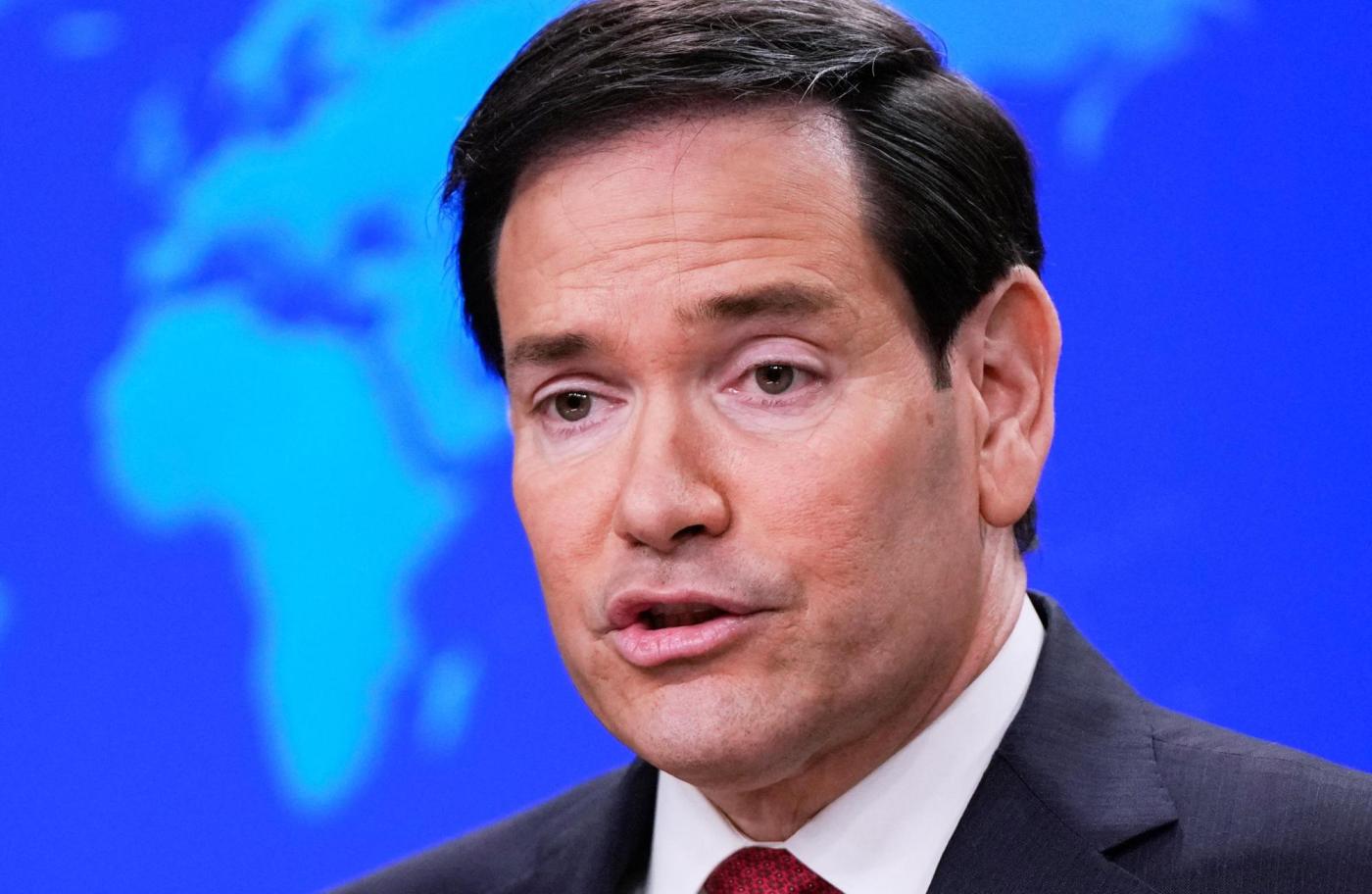
The decision is part of a broader strategy led by Secretary of State Marco Rubio, who stated that the department is focused on ensuring that the generosity of the American people is not abused. A cable sent to consular officers in November 2023 instructed them to enforce new rules regarding visa applications, particularly concerning potential migrants who could become “public charges.”
Consular officers are now required to consider a variety of factors when assessing visa applications, including health, age, English proficiency, finances, and the potential need for long-term medical care. This comprehensive screening process is designed to identify those who may rely on public benefits in the future.
The suspension reflects ongoing efforts by the U.S. government to revise immigration policies, particularly regarding welfare dependency. The State Department’s actions indicate a commitment to prioritizing American interests and addressing concerns about the financial implications of immigration.
As the new rules take effect, many individuals and families from the affected countries will face challenges in securing immigrant visas, raising questions about the long-term impact on migration patterns and humanitarian considerations. The State Department has reiterated its intention to implement these changes with the aim of promoting a more sustainable immigration system.