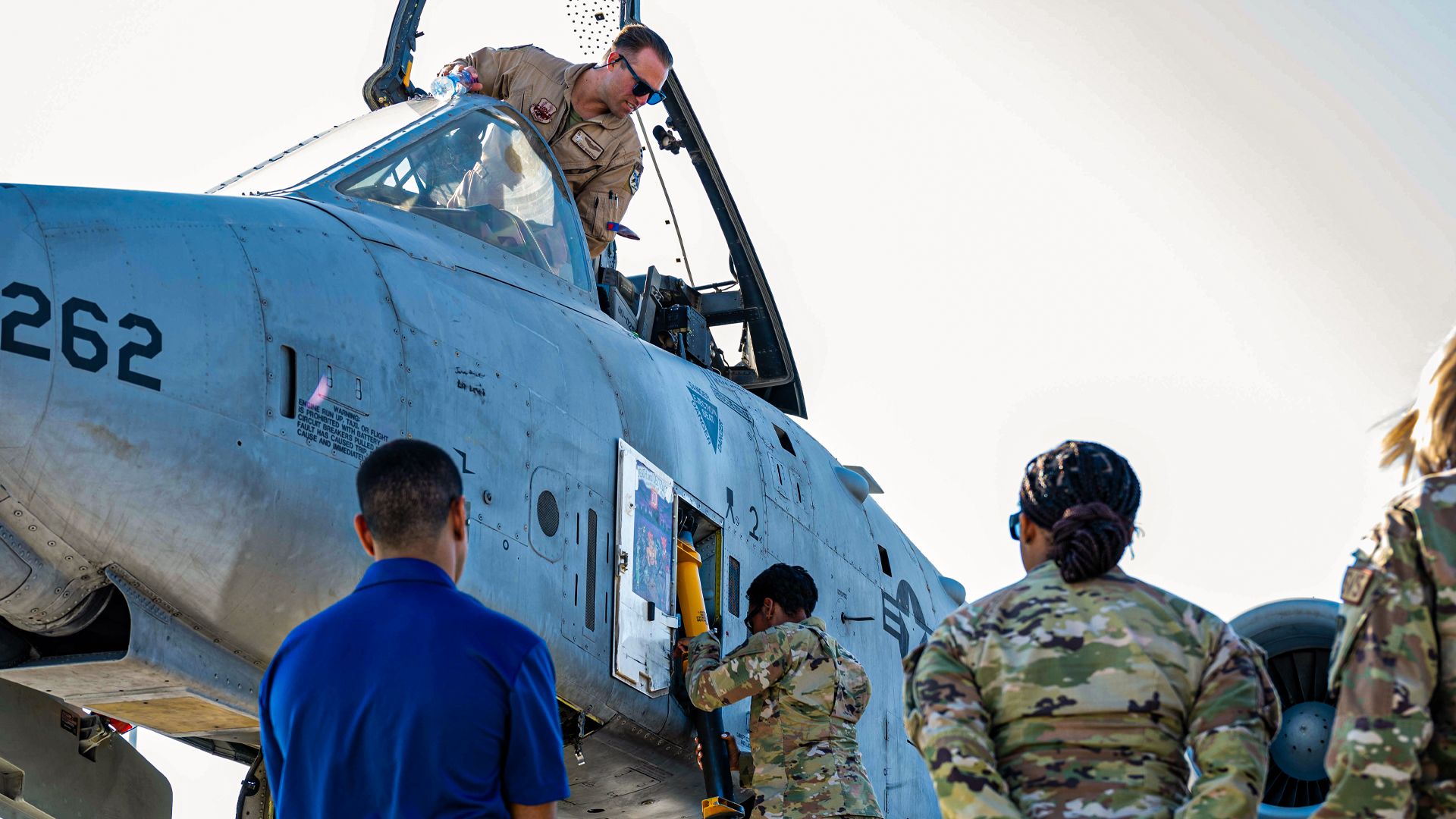
Compensation for United States Air Force pilots has become a significant topic as many explore the financial viability of a military career. While the base pay for a pilot may appear modest initially, many career officers can earn over six figures within their first decade of service. Factors such as regular promotions, bonuses, and comprehensive benefits make military aviation a competitive career choice, though not as lucrative as flying for commercial airlines.
In **March 2026**, total compensation for fighter pilots ranges from approximately **$75,000** for entry-level Second Lieutenants to over **$200,000** for senior aviators. To address ongoing pilot shortages, the Air Force offers substantial retention bonuses. Pilots who commit to remaining in service can receive up to **$600,000** over a 12-year period, translating to annual bonuses between **$15,000** and **$50,000**.
A newly commissioned Second Lieutenant (O-1) starts with a salary of around **$4,150** per month, equating to an annual income of approximately **$49,800**. In contrast, a Captain (O-3) with four years of experience earns about **$7,380** monthly or **$88,560** annually. Pilots receive additional monthly pay that escalates with experience, beginning at **$150** and potentially reaching **$1,000** for senior roles.
In addition to their salaries, Air Force pilots benefit from extensive non-monetary compensation. The military provides full medical coverage at no cost to pilots and their families. Furthermore, housing and food allowances, which are not subject to taxation, can significantly enhance take-home pay. Housing allowances can vary widely, ranging from **$1,800** to over **$3,000** monthly, depending on the pilot’s location and family status.
Retirement benefits are also a crucial consideration. The military retirement fund typically requires less investment than many private options and offers a strong return after 20 years of service, with a pension that can provide **50%** or more of a pilot’s base pay upon retirement.
While military pay is competitive, it falls short of what commercial airlines offer experienced pilots. Major airlines, such as Delta, United, and American Airlines, provide significantly higher earning potential. For instance, senior captains at these airlines can earn over **$450** per hour, with top-tier captains flying international routes exceeding **$550,000** annually before bonuses. Additionally, many airlines contribute a substantial percentage to retirement plans, with Delta offering a **17-18%** direct contribution to 401(k) plans.
The following comparison illustrates the compensation scales between military and commercial pilots:
– **New Hire**:
– Air Force: **$50,000 – $75,000** (2nd Lieutenant)
– Major Airline: **$100,000 – $120,000** (First Officer)
– **Mid-Career (6-10 Years)**:
– Air Force: **$110,000 – $120,000** (Major)
– Major Airline: **$250,000 – $350,000** (Captain)
– **Senior (12+ Years)**:
– Air Force: **$150,000 – $200,000+** (Lt. Colonel)
– Major Airline: **$400,000 – $550,000+** (Widebody Captain)
Regional airlines serve as a foundational training ground for major carriers. Due to a current pilot shortage, some regional airlines are offering signing bonuses ranging from **$15,000** to **$200,000** to attract new pilots. First-year First Officers at leading regional airlines can earn between **$90,000** and **$120,000** annually.
Promotion within the military is systematic, with pilots following a structured timeline known as promotion zones. Military officers, including pilots, typically advance on a predictable schedule. The first promotion occurs after **24 months** of service, transitioning from Second Lieutenant (O-1) to First Lieutenant (O-2). The promotion to Captain (O-3) follows another **24 months**, totaling four years from the commissioning date. Until the rank of Major (O-4), promotions are generally automatic, with selection for Major becoming competitive.
While military pilots benefit from free flight training, the career path presents unique challenges. The military operates on an “Up or Out” structure, meaning pilots must achieve promotions within a specific timeframe or face separation from active duty. In contrast, airline pilots enjoy greater flexibility; they can remain in junior positions without the same pressures for advancement.
Transitioning from military to civilian aviation is a common pathway for many Air Force pilots. The **Federal Aviation Administration (FAA)** recognizes military flight training as equivalent to civilian requirements, allowing experienced military pilots to bypass some of the typical civilian testing. Programs such as United Airlines’ Aviate and Southwest’s Destination 225 actively recruit veterans, offering conditional job offers while they are still in service.
Specialized programs also exist for military helicopter pilots, with airlines providing funding for necessary training to secure a Restricted Airline Transport Pilot (R-ATP) certificate. Many pilots utilize the **Post-9/11 GI Bill** to cover additional training costs, making the transition to civilian aviation more accessible.
In conclusion, while the compensation for U.S. Air Force pilots can be attractive, particularly when considering benefits and retirement, it still presents a different financial landscape compared to commercial aviation. As the demand for pilots continues to grow, both military and civilian sectors are evolving to attract and retain talent.