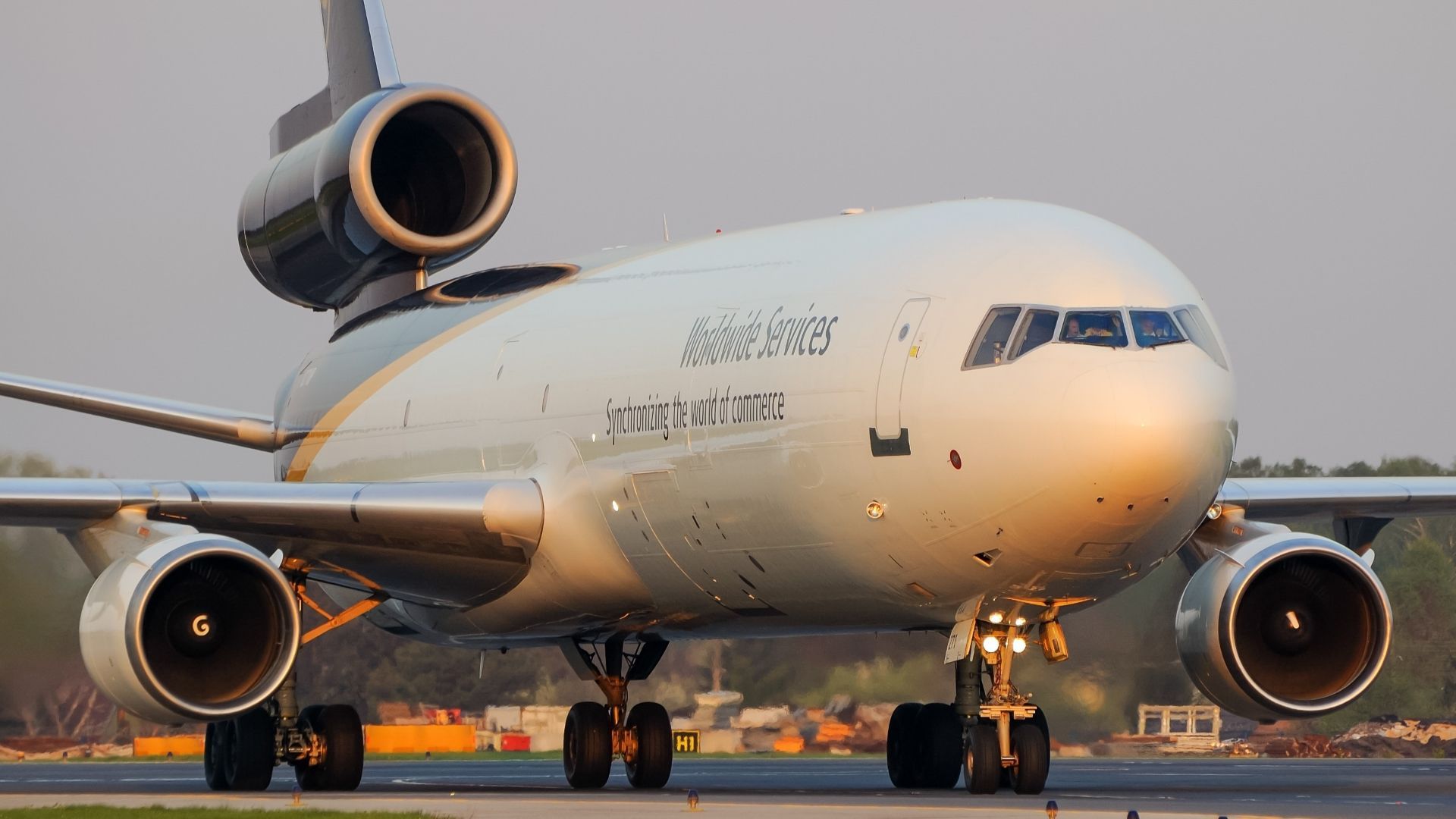
The tragic aftermath of the crash of UPS Flight 2976 deepened on December 25, 2025, when Alain Rodriguez Colina succumbed to injuries sustained during the accident. Colina had been in a medically induced coma for seven weeks following the incident, which occurred on November 4, 2025. The crash not only claimed the lives of all three pilots aboard but also resulted in the deaths of 12 individuals on the ground, including Colina, marking a significant loss for the community.
Alain Rodriguez Colina, a Cuban immigrant, worked as a metal buyer at Grade A Auto Parts & Recycling, situated close to the Louisville Muhammad Ali International Airport. He was attending to a customer when the aircraft, a McDonnell Douglas MD-11F, crashed into the scrapyard, destroying the facility and igniting a fire that spread rapidly. Colina initially managed to escape but suffered severe burns covering more than 50% of his body. Despite early signs of recovery, he ultimately passed away on Christmas Day, becoming the 15th victim associated with the crash.
The accident involved UPS Flight 2976, which was on a scheduled route from Louisville to Honolulu. At approximately 17:13 local time, the aircraft took off from runway 17R. Shortly after reaching V1 speed, the aircraft’s number one engine detached from the left wing, leading to a catastrophic fire. The plane lost control, banking sharply to the left before plummeting into the ground.
Colina’s death highlights the extensive human toll of this tragedy, with his family mourning the loss of a father and brother. His mother and siblings reside in Louisville, while his daughter remains in Cuba, adding layers of emotional complexity to an already devastating situation.
Investigation into the Crash
The National Transportation Safety Board (NTSB) is currently conducting an investigation into the circumstances surrounding the crash of UPS Flight 2976. Initial reports suggest that the aircraft’s number one engine detached, which may have been exacerbated by potential issues with the number two engine. This lack of power could explain the aircraft’s inability to climb and maintain stability.
The sequence of events bears a striking resemblance to the crash of American Airlines Flight 191 in 1979, where a similar engine detachment resulted in a catastrophic failure. In that case, a flawed maintenance procedure was identified as a contributing factor. The NTSB’s findings will be critical in determining the causes behind the UPS incident, and only through their final report will the full details emerge.
The investigation remains ongoing, with the aviation community and the families affected by the crash eagerly awaiting answers. The loss of lives in this tragedy underscores the importance of rigorous maintenance practices and safety protocols in aviation.
Colina’s death serves as a poignant reminder of the fragility of life and the far-reaching effects of aviation disasters. As the investigation unfolds, the hope is that lessons learned will prevent such tragedies from occurring in the future.