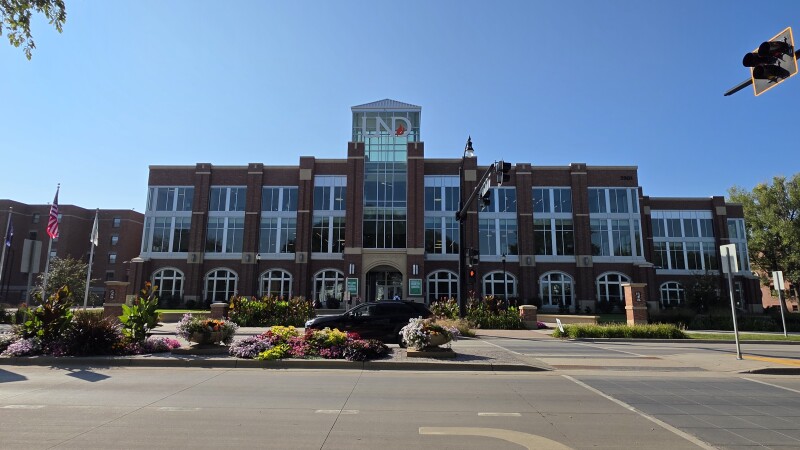
The University of North Dakota (UND) is set to implement a new job architecture framework starting in February 2024. This initiative aims to enhance the organization of university roles, fostering career development and improving overall workplace experience. The announcement was made by President Andrew Armacost, who emphasized the importance of creating a supportive environment for staff and faculty.
During a recent virtual town hall, Karla Mongeon-Stewart, speaking on behalf of Peggy Varberg, the associate vice president of human resources, outlined the goals of the new framework. The job architecture will categorize positions into defined job families based on similar experience and educational requirements. This structured approach is designed to promote consistency across different departments within the university.
Mongeon-Stewart explained that the framework will establish career streams and levels, accommodating roles that require varying levels of experience. “What we are trying to accomplish through this process is establishing consistent standards across the campus for positions,” she stated. This systematic organization is intended to ensure that similar positions are treated equally, regardless of their departmental affiliations.
A significant aspect of the new framework is its focus on transparency. Employees will have access to information regarding their job classifications, responsibilities, and the skills needed for progression. This public availability aims to empower staff by clearly outlining their career paths and the opportunities for advancement within the university.
The development of the framework has taken considerable time, as Mongeon-Stewart noted. “The reason it is taking so long is really about our commitment to getting it right,” she explained. The initiative has undergone extensive reviews to avoid any issues related to protected classes and to ensure that every position is accurately classified.
As the implementation phase approaches, university leaders will receive detailed information to prepare for the changes. Supervisors will also undergo training to familiarize themselves with the new architecture and its operational mechanics. Mongeon-Stewart expressed optimism regarding the anticipated outcomes. “We are very hopeful that, through this process, we do a better job of helping folks in our purview get career development and have a path to promotion,” she said.
The upcoming changes represent a significant shift in how UND organizes its workforce, with the overarching goal of making it a more attractive place to work. The new job architecture framework is expected to lay the groundwork for improved employee satisfaction and professional growth, positioning UND as a workplace of choice in the region.