The sale of Venezuela’s extensive backlogged crude supply by the United States could provide a significant boost to the Venezuelan economy, according to leading economists. By tapping into this dormant asset, experts suggest that Venezuela may begin to emerge from a prolonged economic crisis that has plagued the nation for several years.
Venezuela, once one of the world’s richest nations due to its oil reserves, has faced severe economic challenges, including hyperinflation and widespread poverty. The International Monetary Fund (IMF) has reported that the country’s gross domestic product (GDP) has contracted by over 80% since its peak in 2013. The prospect of utilizing its oil reserves could be a turning point for the nation, which still holds the largest proven oil reserves globally.
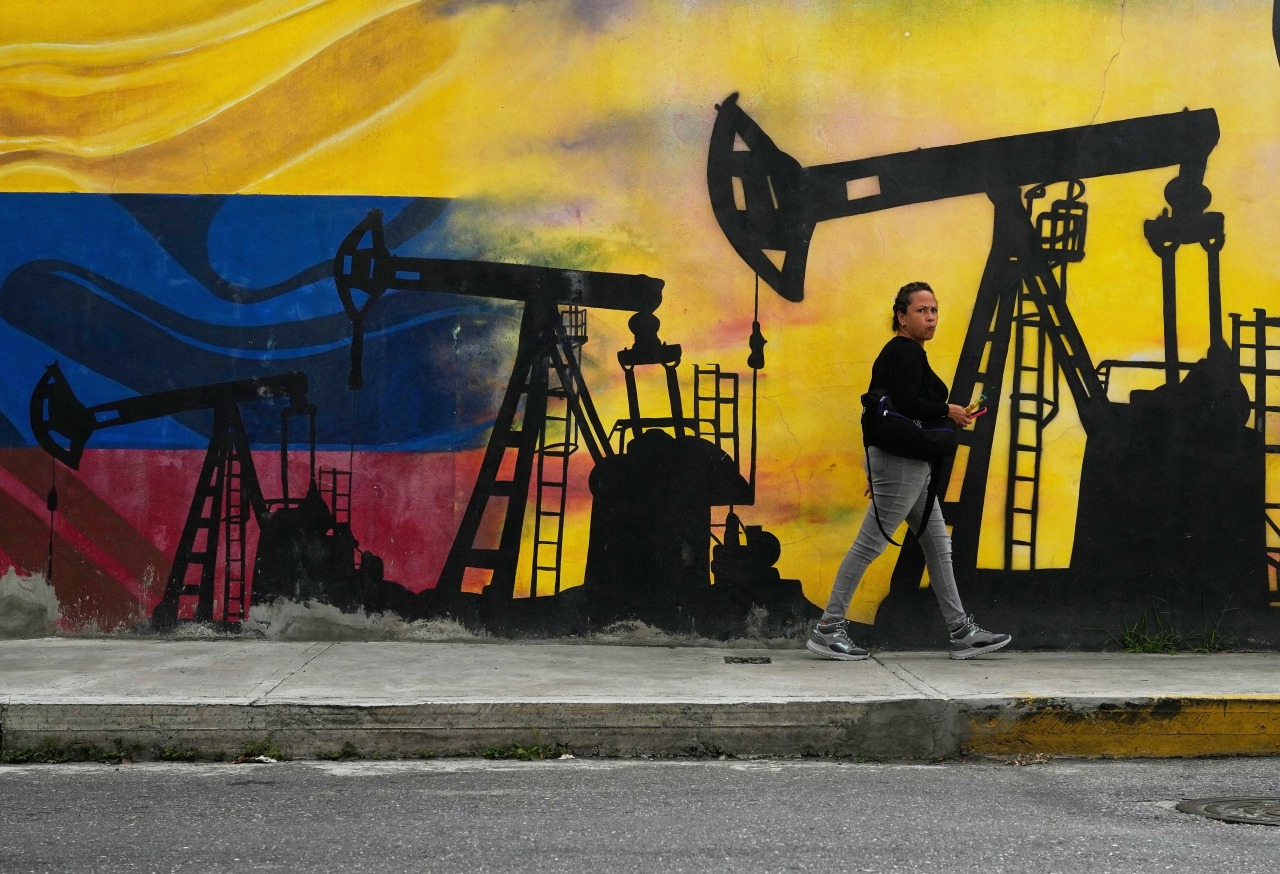
One pivotal aspect of this potential oil sale is the backlogged production that has accumulated due to years of mismanagement and sanctions. Venezuela’s oil industry has struggled to maintain production levels, with output plummeting from approximately 3 million barrels per day in 1998 to about 600,000 barrels per day in early 2024. Economists argue that selling this crude could stabilize the market and generate much-needed revenue for the Venezuelan government.
Economic Implications of Oil Sales
The financial benefits of selling Venezuela’s oil are substantial. If the United States proceeds with the sale, it could inject billions of dollars into Venezuela’s economy. This influx of capital could help fund essential services, infrastructure projects, and social programs aimed at alleviating poverty. In an economy where 90% of the population lives below the poverty line, the need for financial revitalization is urgent.
Moreover, the sale could enhance Venezuela’s position in the global oil market. With a current global oil price hovering around $80 per barrel, selling its crude could yield significant profits. If the country can increase its production capacity and improve operational efficiency, the potential revenue could reach upwards of $10 billion annually, based on current production estimates.
The U.S. government has signaled a willingness to assist Venezuela by easing sanctions on its oil industry. This shift in policy reflects a broader strategy to stabilize the region and address humanitarian concerns. Through the sale of backlogged oil, the U.S. could facilitate a recovery process for Venezuela while also addressing its own energy needs.
Challenges Ahead
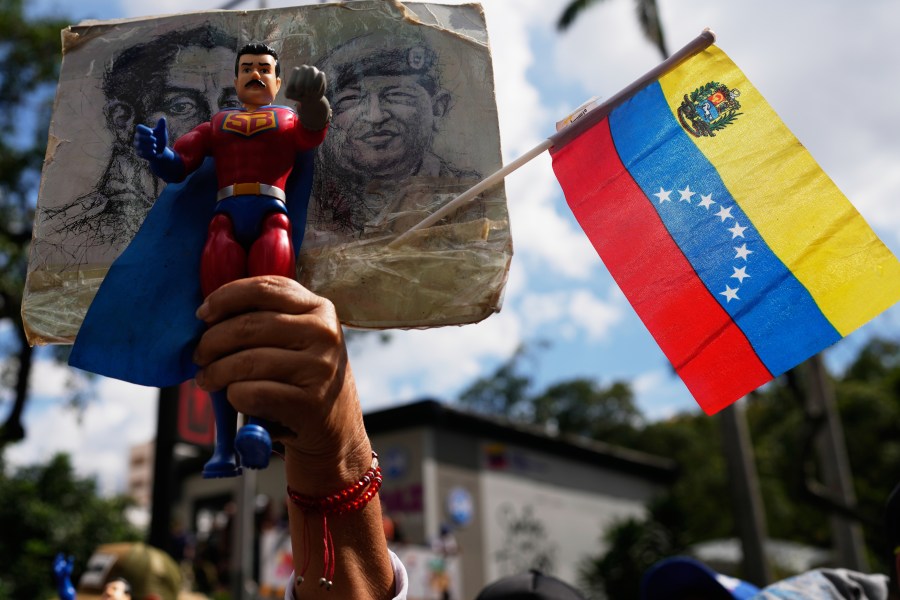
Despite the promising outlook, several challenges remain. The Venezuelan government, led by President Nicolás Maduro, faces skepticism from both international observers and local citizens regarding its ability to manage newfound revenue effectively. Corruption and mismanagement have historically plagued Venezuela’s oil sector, raising concerns about whether the funds generated from oil sales will benefit the general population or be siphoned off by corrupt officials.
Additionally, geopolitical factors play a crucial role. The relationship between the United States and Venezuela has been fraught with tension, particularly over human rights issues and democratic governance. Any steps toward reviving the oil industry must navigate these complex political waters, balancing economic interests with international concerns about the Venezuelan government’s practices.
In summary, the potential sale of Venezuela’s backlogged crude supply by the United States presents an opportunity for economic revitalization. While the prospects for increased revenue and improved living conditions are promising, the path forward is laden with challenges that require careful management and international cooperation. The coming months will be critical in determining whether this strategy can help lift Venezuela out of its current economic turmoil.