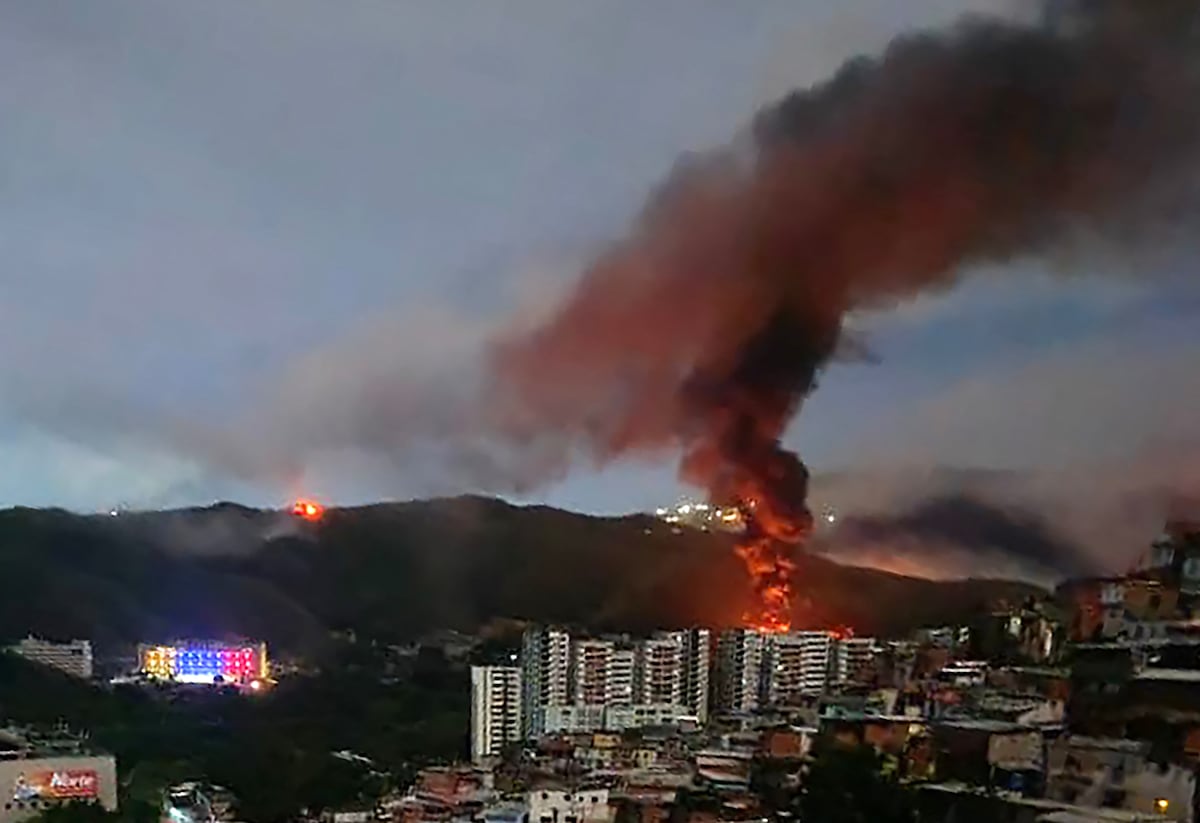
The U.S. military successfully executed a high-stakes operation to capture Venezuelan leader Nicolás Maduro from his Caracas residence on January 2, 2024. This operation, known as Operation Absolute Resolve, involved over 150 aircraft launched from 20 bases across the Western Hemisphere. The mission, which lasted less than five hours from authorization to extraction, was characterized by its precision, departing from previous large-scale military interventions.
The operation’s success hinged on a critical break in Venezuela’s weather, allowing U.S. forces to move quickly. In a statement, Dan Caine, the chairman of the Joint Chiefs of Staff, confirmed that both Maduro and his wife, Cilia Flores, were apprehended at their compound. Caine noted that this mission exemplified the complex interagency coordination required for modern military operations.
Months of Planning and Intelligence Gathering
Planning for the operation began months in advance, with intelligence teams meticulously tracking Maduro’s movements, including his daily routines and even details about his pets. Caine acknowledged the vital contributions of the Central Intelligence Agency, the National Security Agency, and the National Geospatial-Intelligence Agency, though specific roles were not disclosed.
Former intelligence strategist Adam Taichi Kraft emphasized the continuous nature of intelligence collection necessary for such missions, stating, “You cannot hide; we are in a zero-privacy world.” He highlighted that monitoring individual behaviors—whether in person or online—was crucial to maintaining situational awareness.
The operation required detailed military intelligence about Maduro’s compound and the surrounding defenses. Carlton Haelig, a defense expert, pointed out that understanding the enemy’s order of battle and response capabilities was fundamental to the operation’s success. “What needs to occur to take those capabilities offline is essential,” he said, referring to potential military strategies like missile strikes or electronic jamming.
Execution of the Operation
As preparations concluded, the weather played a pivotal role in the final decision to proceed. President Donald Trump stated that military forces had been on standby for several days, awaiting favorable conditions. The green light was given at 22:46 Eastern Standard Time on January 2, prompting the launch of the aircraft.
Helicopters flew into Venezuela at low altitude to avoid detection, protected by a fleet of fighter jets and surveillance aircraft. Upon nearing Maduro’s compound shortly after 01:00 on January 3, a firefight ensued, resulting in one aircraft sustaining damage but remaining operational. Trump later described the capture as a rapid and forceful engagement, stating Maduro was “bum-rushed” in what he characterized as a fortified location.
By 03:29, U.S. forces successfully extracted Maduro and Flores, transporting them over water aboard the USS Iwo Jima. Reports indicate that nearly 200 Americans were on the ground during the operation, although the Pentagon has not confirmed the specific composition of forces involved.
The operation exemplifies the capabilities of elite military units, including Delta Force and Seal Team Six, known for their specialization in sensitive missions. Military experts suggest that the 160th Special Operations Aviation Regiment, also known as the Night Stalkers, likely played a role in the operation due to their training for low-altitude missions.
Kraft noted the high caliber of personnel selected for such operations, emphasizing their extensive training and contingency planning. “These guys are so well-rehearsed and so mature,” he stated, underscoring the preparedness that enables them to adapt to unforeseen challenges during missions.
Maduro now faces federal criminal charges in New York, marking a significant development in U.S.-Venezuelan relations. The operation’s intricacies and the successful apprehension of a high-profile target highlight the evolving nature of military strategy and intelligence in contemporary governance.