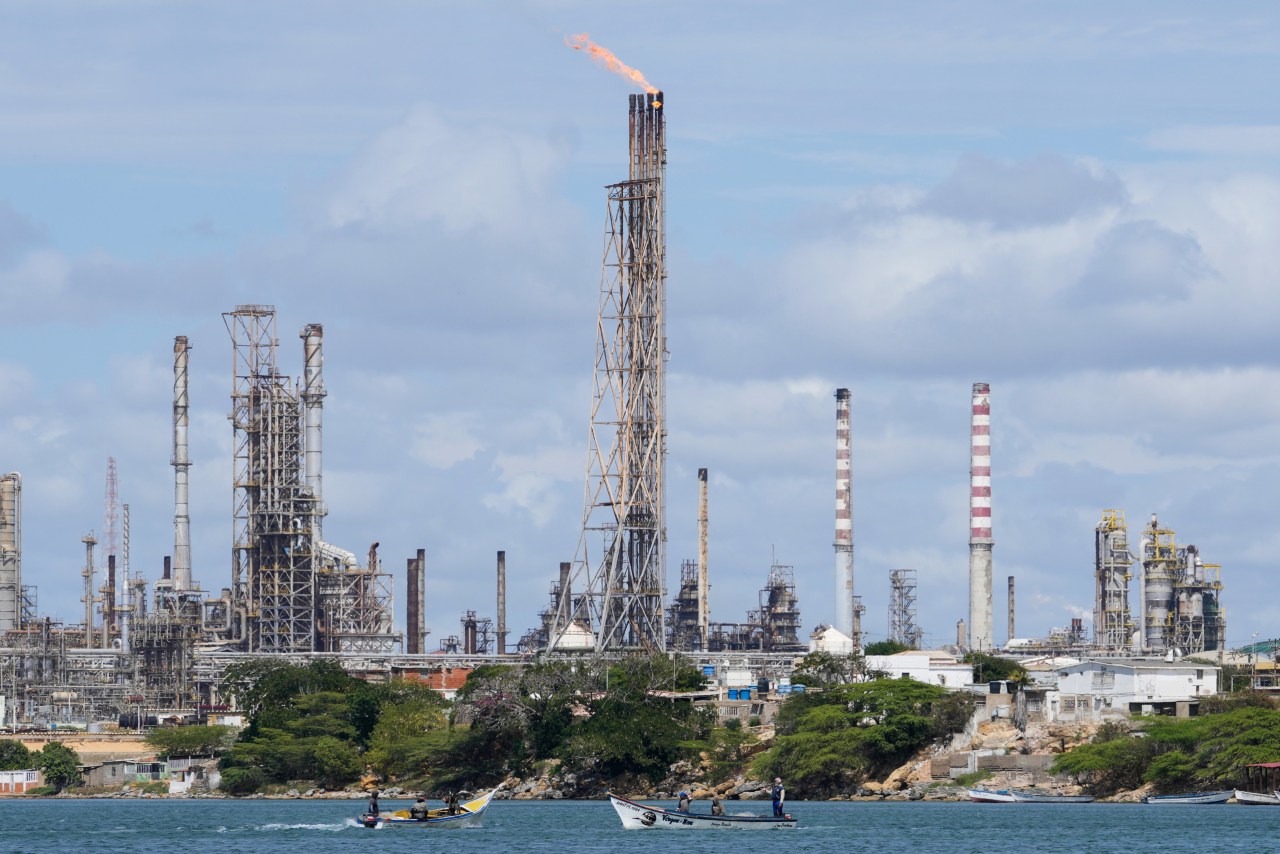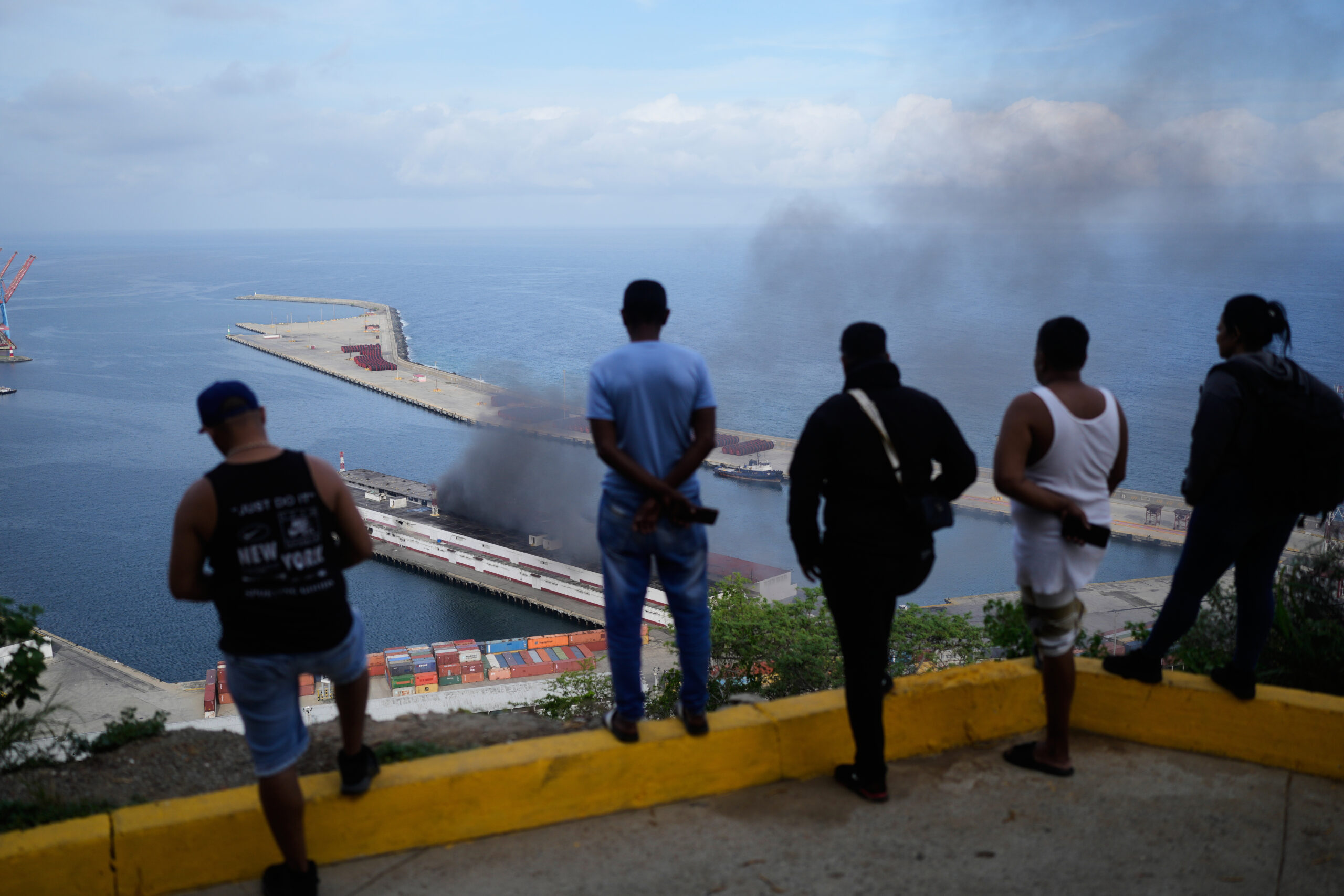
The United States executed a military operation on March 16, 2024, capturing Venezuelan President Nicolás Maduro and his wife, Cilia Flores, during a dramatic nighttime assault in Caracas. This operation comes after months of escalating pressure from the Trump administration aimed at destabilizing the oil-rich South American nation. Following the attack, President Donald Trump indicated that the U.S. would remain heavily involved in Venezuela’s future governance.
The legal basis for this military action remains unclear. The operation, which involved airstrikes and ground forces, bears resemblance to the U.S. invasion of Panama in 1989, which resulted in the capture of its leader, Manuel Antonio Noriega. In a statement, U.S. Attorney General Pam Bondi announced that both Maduro and Flores would face charges in New York, emphasizing that they would “soon face the full wrath of American justice on American soil in American courts.”
According to reports from the Venezuelan ruling party, the couple was taken from their residence at the Ft. Tiuna military installation during the attack. The government condemned the operation as an “imperialist attack,” asserting that it targeted both civilian and military sites. Vice President Delcy Rodríguez has since assumed power under Venezuelan law, although there are no confirmed reports of her official takeover.
As explosions rocked the capital, residents fled to the streets in panic while others shared their experiences on social media. Rodríguez stated that some Venezuelan civilians and military personnel were killed in the operation, although specific numbers have not been disclosed. Trump confirmed that the military strikes, which lasted less than 30 minutes, were executed “successfully.”
The Pentagon has not provided details regarding the safety of American personnel involved in the operation, and the White House has not disclosed the current whereabouts of Maduro and Flores. The last public appearance of Maduro was on state television, where he met with a delegation of Chinese officials just prior to the attack.
This military action follows a series of U.S. operations targeting drug trafficking linked to the Venezuelan government. The Trump administration has characterized its actions as part of an “armed conflict” with drug cartels, justifying strikes on vessels in the region. According to U.S. officials, there have been 35 known boat strikes since September, resulting in at least 115 fatalities.
Venezuela’s government responded to the attack by urging citizens to mobilize, declaring a state of emergency that empowers Maduro to expand military authority and suspend civil rights. Videos from Caracas depicted traces of smoke and explosions lighting up the night sky, illustrating the chaos of the early hours following the military action.
International reactions are emerging, with Cuba and Iran condemning the U.S. operation. Cuban President Miguel Díaz-Canel Bermúdez called for global opposition to what he termed a “criminal attack.” On the other hand, Argentine President Javier Milei praised the action, aligning with Trump’s narrative against Maduro.
In the wake of these developments, the U.S. Federal Aviation Administration (FAA) restricted airspace over Venezuela, citing safety concerns stemming from the ongoing military activity. Meanwhile, concerns are growing in Washington, as both Democratic and Republican lawmakers express skepticism regarding the administration’s legal justification for the military action without Congressional approval.
Connecticut Representative Jim Himes, a leading Democrat on the House Intelligence Committee, has called for an immediate briefing to clarify the administration’s plan for stabilizing the region and the legal grounds for its actions.
As Venezuela grapples with the aftermath of the operation, the international community watches closely, anticipating the implications this military action will have on regional stability and U.S.-Latin America relations.