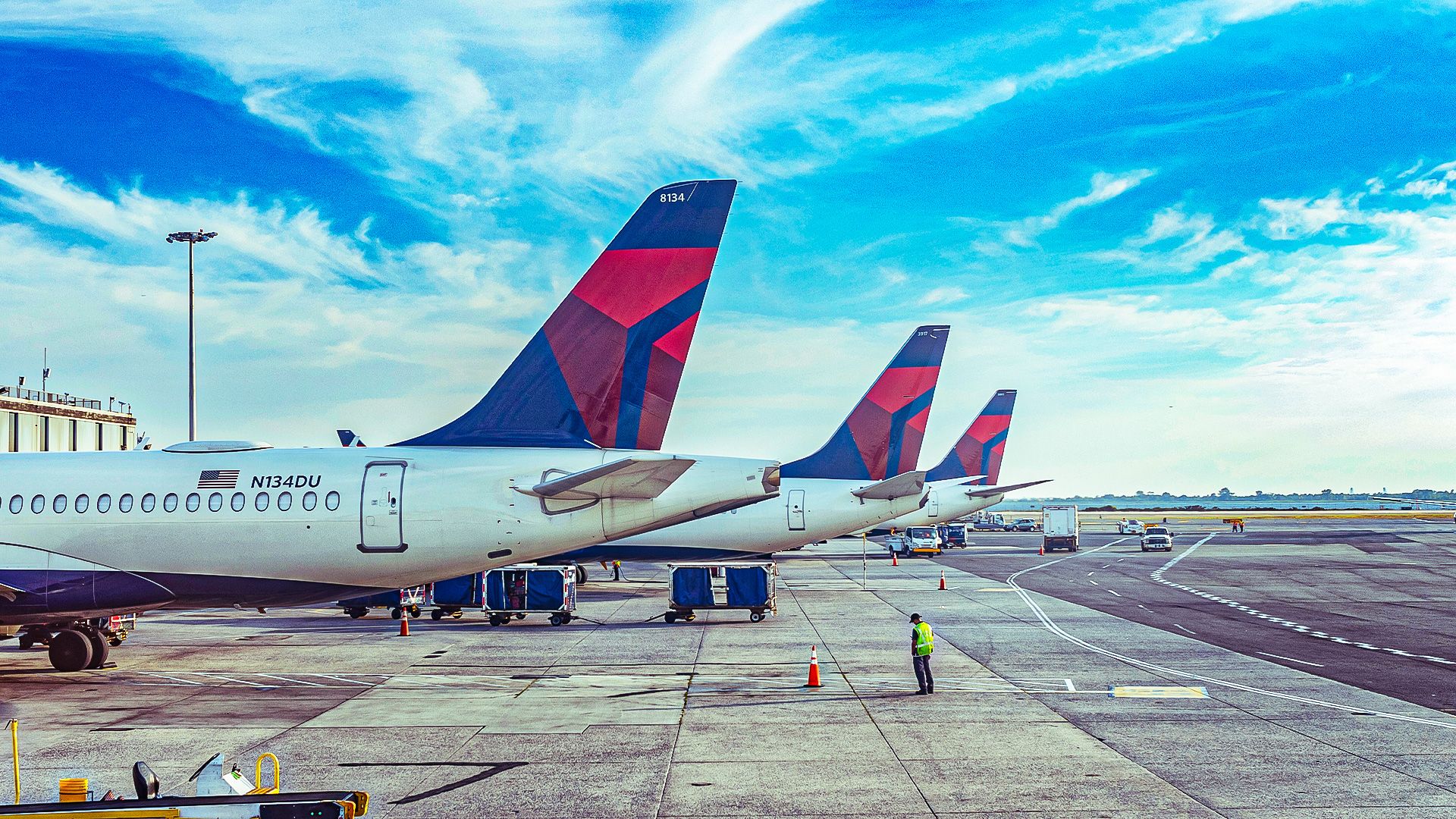
The United States remains the largest aviation market globally, surpassing all other nations by a significant margin. In 2024, the country welcomed nearly 900 million passengers on commercial flights, outperforming China’s 750 million. This remarkable figure reflects the robust demand for air travel across the U.S. and highlights the dominance of several key airport hubs in this thriving industry.
Leading Airports Driving Growth
At the forefront of this aviation boom is Hartsfield-Jackson Atlanta International Airport (ATL), which continues to lead the world in passenger traffic. In 2024, ATL handled over 105 million passengers across approximately 800,000 flights. As the primary hub for Delta Air Lines, the airport serves as a critical junction for both domestic and international travel, providing access to over 150 domestic and 70 international destinations.
Following ATL, Dallas/Fort Worth International Airport (DFW) recorded over 85 million passengers in 2024, making it the second-busiest airport in the U.S. and third globally. DFW is undergoing a significant expansion with the $12 billion “DFW Forward” project, which aims to develop a sixth terminal and renovate existing facilities. The airport boasts the largest number of destinations in North America, with 269 total, including 73 international locations.
Notable Competitors in the Aviation Sector
Meanwhile, Denver International Airport (DEN) has emerged as a significant player, ranking third in the country with over 80 million passengers. The airport is notable for its expansive 53 square miles of land, making it the largest airport by area in the U.S. DEN serves as a major hub for both United Airlines and Southwest Airlines, contributing nearly $50 billion to Colorado’s economy.
In fourth place is Chicago O’Hare International Airport (ORD), which also witnessed record traffic in 2024, with over 80 million passengers. This airport has a unique distinction of having the most active runways of any civilian airport globally, with a total of eight. The historical significance of O’Hare is notable, as it was initially established during World War II and has since grown into a dual mega hub for both United and American Airlines.
On the West Coast, Los Angeles International Airport (LAX) ranks fifth, accommodating over 75 million passengers. LAX is preparing for increased traffic as it undergoes extensive renovations in anticipation of the 2028 Olympics. A significant portion of LAX’s travelers are not connecting passengers, with nearly 90% using the airport as their final destination.
Rounding out the list is John F. Kennedy International Airport (JFK) and Charlotte Douglas International Airport (CLT)—both airports served over 55 million passengers in 2024. JFK, located in New York City, is known for its extensive international connections, while CLT is a rapidly growing hub for American Airlines, currently undergoing a $4 billion capital improvement program to accommodate its growth.
As the aviation industry continues to recover and expand, these major hubs are expected to play pivotal roles in shaping the future of air travel in the United States. The ongoing developments and investments across these airports indicate a strong commitment to enhancing passenger experience and maintaining operational efficiency, setting the stage for another busy year in 2025 and beyond.