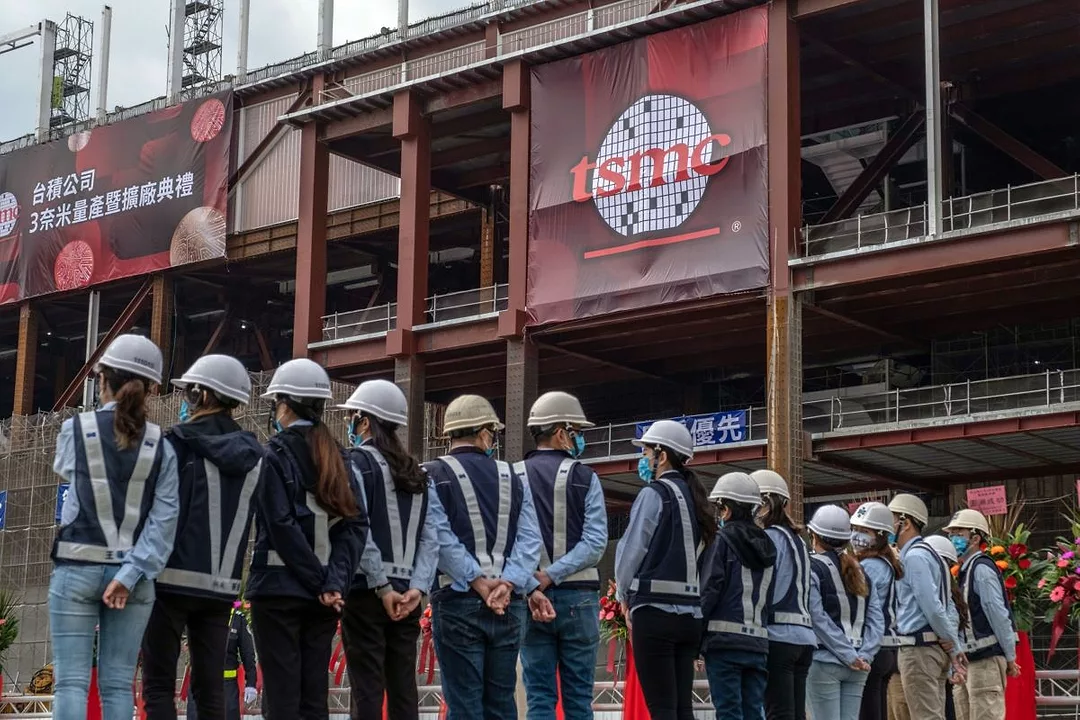
The United States and Taiwan have officially announced a significant trade agreement focused on semiconductor manufacturing. On January 15, 2025, the Trump administration revealed plans to invest $250 billion in semiconductor and technology manufacturing in the U.S. in exchange for reduced tariffs on Taiwanese imports. This deal comes after nearly nine months of negotiations centered on Taiwan’s critical chip-making industry, a vital component of the global technology supply chain.
Negotiations involved extensive engagement, with Taiwanese officials, including Vice Premier Cheng Li-chiun and chief trade representative Yang Jen-ni, visiting Washington six times since April 2025. The White House praised the agreement as a means of “restoring American semiconductor manufacturing leadership.”
Taiwan now faces the challenge of rallying domestic support for the agreement. Concerns have been raised that reallocating resources to chip manufacturing in the U.S. could undermine Taiwan’s own semiconductor industry. This sector is not only essential for the island’s economy but also acts as a defense against potential territorial claims from China.
From the U.S. perspective, Taiwan’s dominance in advanced semiconductor manufacturing poses risks. Taiwan produces most of the world’s cutting-edge chips, which are crucial for various high-priority sectors, including defense and computing. Taiwanese officials report that chips and electronics make up approximately 90% of the trade deficit with the U.S.
Commerce Secretary Howard Lutnick emphasized the importance of the agreement during a television interview, stating, “We are going to bring it all over so that we become self-sufficient in the capacity of building semiconductors.”
In addition to the planned investments by Taiwanese firms, the agreement includes a provision where Taiwan’s government will offer an additional $250 billion in credit guarantees to support smaller companies in the chip supply chain as they expand operations in the United States.
In return for these commitments, the Trump administration has agreed to lower the tariff rate on Taiwanese goods from 20% to 15%. This deal represents a significant shift in trade relations between the two economies and reflects broader geopolitical considerations surrounding semiconductor supply chains.
As both nations move forward, the full impact of this agreement on the semiconductor industry and broader trade dynamics will be closely monitored by analysts and stakeholders worldwide.