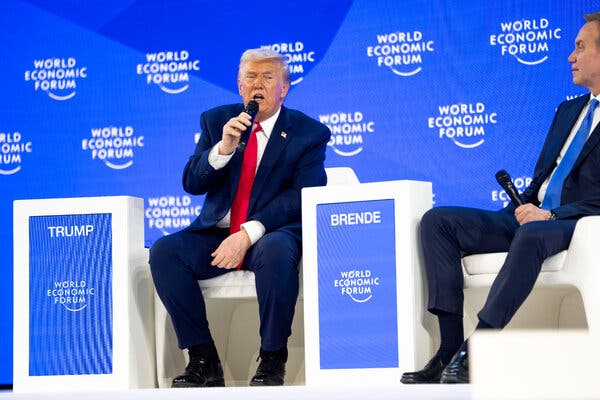
The recent escalation of U.S. military involvement in Venezuela has ignited significant debate regarding its implications for international law and U.S. foreign policy. President Donald Trump has asserted the right to intervene in Venezuela, targeting President Nicolás Maduro and his administration. This situation has raised concerns about the media’s role in framing these actions, particularly regarding the language used to describe them.
Media coverage surrounding Trump’s actions has been criticized for failing to accurately depict the situation as an act of war. Instead, outlets have referred to the military operation as a “capture” and an “operation,” potentially normalizing what many see as an imperialistic agenda. The Pentagon has dubbed this initiative Operation Absolute Resolve, but the lack of transparent communication has left the public questioning the validity of the administration’s claims.
Critics draw parallels to the U.S. invasion of Iraq in 2003, which was justified through misleading information about weapons of mass destruction. Similarly, Trump’s rationale for targeting Maduro hinges on allegations of electoral illegitimacy and corruption, which many argue do not provide a legitimate basis for military intervention. The absence of a clear legal justification has raised alarms, especially as Trump did not seek congressional approval before initiating these actions.
Publications such as the New York Times and the Washington Post have faced scrutiny for their reporting. The editorial board of the New York Times described the invasion as “illegal and unwise,” although its reporting pages did not consistently reflect this stance. The Washington Post, in a more favorable light, characterized the military action as “one of the boldest moves a president has made in years,” prompting concerns over the potential consequences for Venezuela and the region.
In the days following the military action, confirmed information regarding Venezuelan casualties has been scarce. The Pentagon has not provided regular press briefings, raising questions about transparency and accountability. As national security correspondent Idrees Ali noted, the current lack of communication is unprecedented for the department.
On television, discussions surrounding the invasion have included commentary from figures who previously supported similar foreign policy decisions. CBS Evening News anchor Tony Dokoupil conducted an interview with former U.S. ambassador to Venezuela, James Story, who reiterated the belief that Maduro’s election was illegitimate. This framing has led some commentators to assert that the media is inadvertently supporting the administration’s narrative.
Trump’s justification for the invasion aligns with a broader interpretation of the Monroe Doctrine, a policy that once aimed to prevent European interference in the Americas. In remarks to reporters aboard Air Force One, he claimed that the situation in Venezuela falls within U.S. interests, suggesting a revival of this doctrine without diplomatic nuance.
Responses from various political figures reflect a growing concern over the ramifications of U.S. military action. Even conservative commentators have voiced apprehension about the potential for civil unrest and regional instability. George Will recalled former Secretary of State Colin Powell’s cautionary “Pottery Barn” rule, which implies that the U.S. must take responsibility for the consequences of its actions.
As Trump publicly discusses potential military actions against other nations, including Mexico and Cuba, the implications of these interventions raise significant questions about U.S. foreign policy direction. The narrative that “America First” could serve as a justification for such actions highlights a shift in how military intervention is perceived domestically.
The media’s handling of this issue remains critical as it shapes public understanding and perception of U.S. foreign policy. The framing of military actions, whether termed an invasion or an operation, influences the national and international response. As the situation in Venezuela evolves, the responsibility of the media to provide clear, accurate reporting becomes increasingly important in holding the government accountable for its actions.