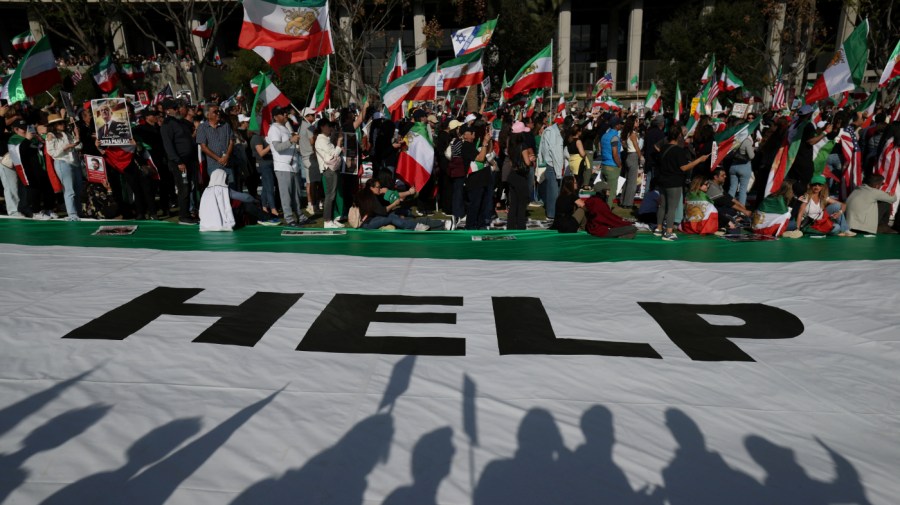
Former President Donald Trump has drawn criticism for his recent comments regarding Iran, suggesting that the United States’ previous support for Iranian protesters has become a point of vulnerability rather than an asset. His remarks come as tensions between the U.S. and Iran remain high, especially in light of the ongoing protests in Iran against the ruling regime.
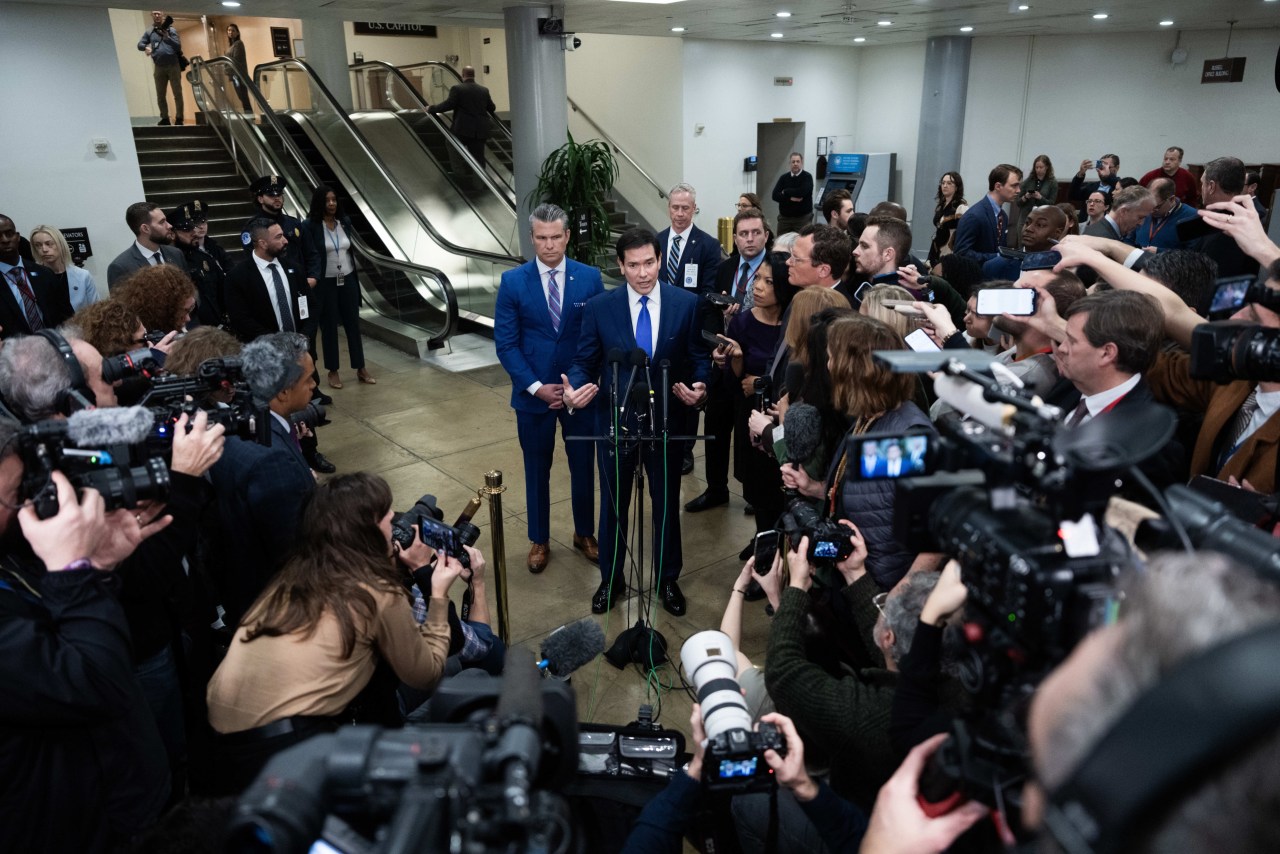
In a press conference, Trump asserted that the U.S. did not genuinely prioritize the safety of those protesters who risked their lives for freedom. This statement raises significant questions about the credibility of U.S. foreign policy and its commitment to human rights. Many observers believe that this approach could backfire as Trump prepares for the 2024 Presidential Election.
Implications for U.S. Foreign Policy
Trump’s comments illustrate a fundamental shift in how the U.S. engages with international partners, particularly in the Middle East. Once perceived as a champion for democracy, the U.S. risks being seen as indifferent to the struggles of those fighting against authoritarian regimes. The implications of this perception could influence not only diplomatic relations but also national security strategies.
The U.S. has a long history of supporting movements advocating for democratic reforms. However, Trump’s rhetoric signals a potential abandonment of this approach. Analysts argue that this could weaken America’s standing in the international community, making it harder to build alliances and garner support for future initiatives.
Furthermore, Trump’s stance raises concerns about the strategic calculus of U.S. adversaries. If Iran interprets the U.S. position as a lack of commitment, it may embolden hardliners within the regime to escalate their activities, potentially further destabilizing the region.
Reactions from Political Analysts
Political analysts have expressed alarm over Trump’s comments. According to Dr. Sarah Johnson, a professor of international relations at Georgetown University, “The perception that the U.S. is abandoning its allies in their fight for freedom can have dire consequences. It not only emboldens hostile regimes but also demoralizes those who look to the U.S. for support.”
Moreover, Trump’s statements could alienate voters who prioritize human rights in foreign policy. With critical states in play for the upcoming election, his remarks may not resonate well with the electorate, particularly among younger voters who are more engaged in global issues.
In addition, Trump’s comments could lead to further scrutiny from Congress, particularly from members concerned with human rights. As the political landscape evolves, this scrutiny could impact funding and support for international initiatives.
As the 2024 Presidential Election approaches, Trump’s foreign policy decisions will likely be a focal point for voters. The former president’s handling of Iran and its implications for U.S. credibility on the world stage may shape the electoral narrative.
In conclusion, Trump’s recent remarks highlight a complex intersection of foreign policy and domestic political strategy. As the U.S. grapples with its role in the world, the focus on human rights and support for democracy will remain critical issues that resonate with voters. The extent to which Trump can navigate these challenges will determine not only his prospects for re-election but also the future of U.S. foreign policy.