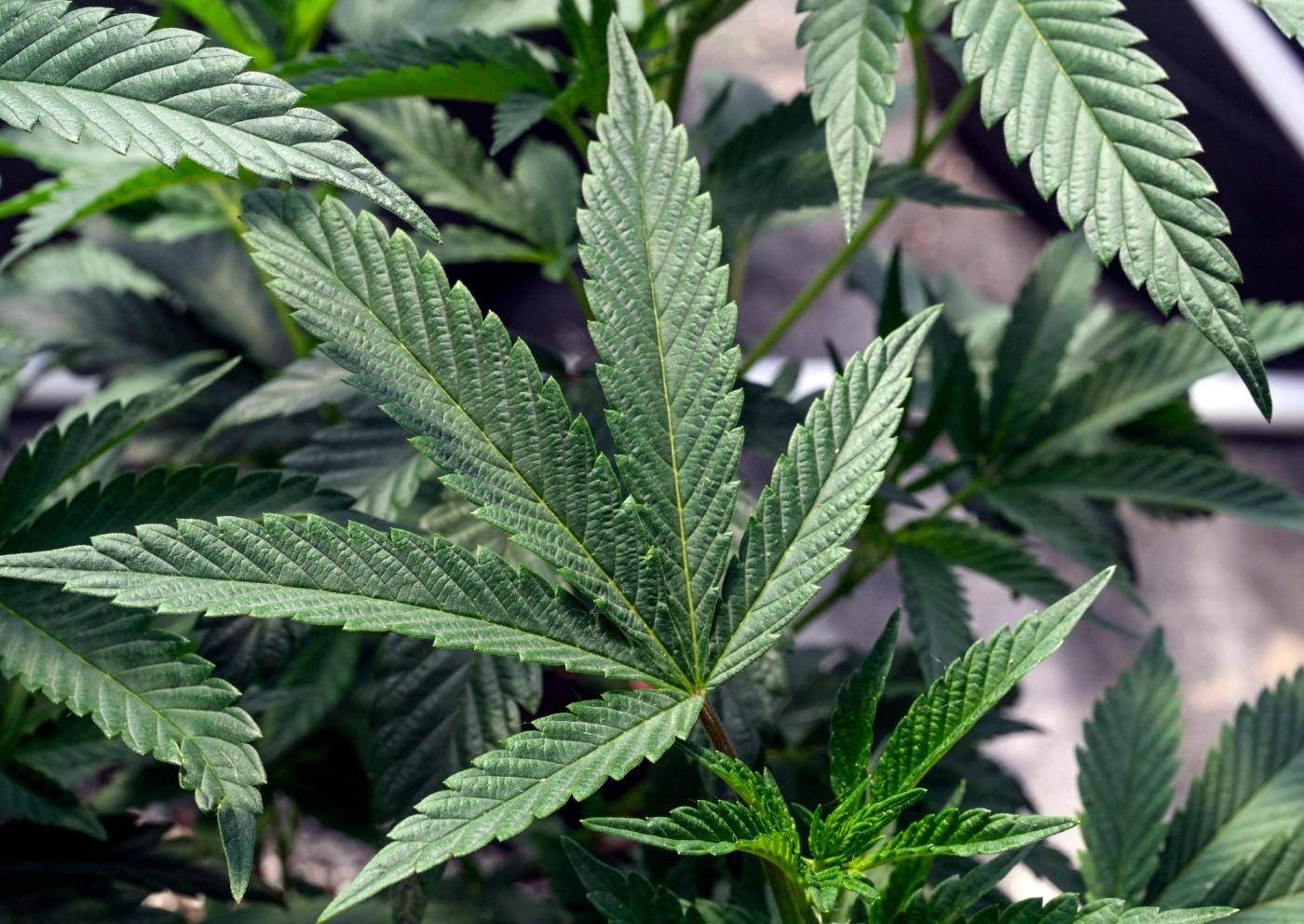
President Donald Trump signed an executive order on March 7, 2024, aimed at expediting the reclassification of marijuana from a Schedule I to a Schedule III drug. This change could significantly impact the cannabis industry and research opportunities, although its benefits for individual users may be limited, according to experts.
The reclassification of marijuana has been a topic of discussion for some time. Under its current Schedule I classification, marijuana is considered to have no accepted medical use and a high potential for abuse, similar to heroin. In contrast, Schedule III drugs, like Tylenol with codeine, have recognized medical benefits and a lower potential for abuse. This move, initiated under President Joe Biden, has drawn both support and opposition, with some Republican senators advocating for marijuana to remain a Schedule I substance.
At the signing ceremony, Trump emphasized the need for this change, stating, “We have people begging for me to do this.” He highlighted the plight of patients suffering from severe medical conditions, including veterans and older Americans facing chronic health issues. According to a study conducted by the Pew Research Center, nearly 90% of Americans support legalizing marijuana for at least medical purposes.
Impact on Cannabis Industry and Research
Experts predict that the most immediate beneficiaries of the reclassification will be businesses within the cannabis sector, particularly in states where marijuana is already legal for medical or recreational use. Katharine Neill Harris, a drug policy expert at Rice University, stated that the ability for these businesses to take federal tax deductions, which are unavailable under Schedule I status, could enhance their financial sustainability.
Furthermore, Harris noted that the current classification has hindered research on marijuana. “With Schedule III, the research process will be more streamlined,” she explained, suggesting that this change could facilitate studies that more accurately reflect the products used by consumers.
While the reclassification could help to reduce the stigma associated with marijuana use, Harris cautioned that it would not legalize the drug at the federal level or eliminate criminal penalties. For users, whether for medical or recreational purposes, the change may not significantly alter access to marijuana.
Uncertain Timeline for Reclassification
The timeline for completing this reclassification remains uncertain. Although Trump’s order aims to expedite the process, it does not provide specific details regarding when the change might be finalized. Harris suggested that if the reclassification is indeed expedited, it could occur relatively soon, potentially early next year, but acknowledged that the exact timing is unpredictable.
As the conversation surrounding marijuana legalization continues, the focus has shifted toward balancing public health considerations with the growing demand for access to cannabis products. The executive order marks a significant step in this ongoing dialogue, highlighting the complexities involved in drug policy reform in the United States.
For further information or news tips, readers can contact Cory Smith at [email protected] or through social media at x.com/Cory_L_Smith.