U.S. President Donald Trump is set to host the leaders of Congo and Rwanda on March 15, 2024, for a significant agreement aimed at resolving the ongoing conflict in eastern Congo. The event, branded by the White House as a “historic” milestone, will see President Felix Tshisekedi of Congo and President Paul Kagame of Rwanda formalize the Washington Accords for Peace and Prosperity. This follows months of diplomatic efforts involving the African Union and Qatar.
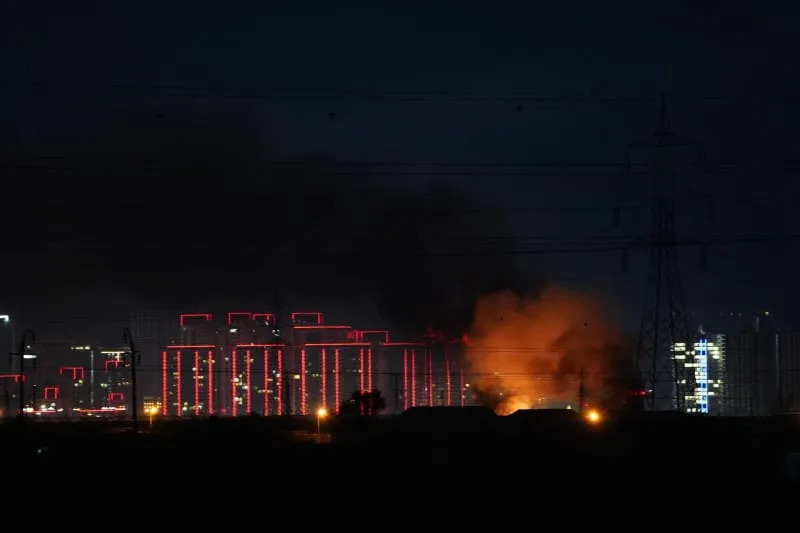
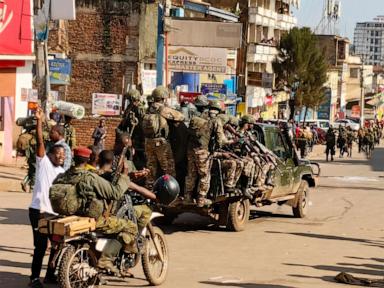
The conflict in eastern Congo has persisted for decades, fueled by the presence of over 100 armed groups, notably the Rwanda-backed M23 rebels. In recent months, the situation has escalated, with M23 capturing key cities such as Goma and Bukavu. This surge in violence has exacerbated an already dire humanitarian crisis, displacing millions and leaving many residents in fear.
Despite the optimism surrounding the signing, analysts caution that the agreement may not yield immediate peace. Amani Chibalonza Edith, a 32-year-old resident of Goma, expressed skepticism, stating, “We are still at war. There can be no peace as long as the front lines remain active.” Ongoing clashes between M23 and Congolese forces have been reported, raising questions about the effectiveness of the ceasefire established earlier this year.
The upcoming meeting at the U.S. Institute of Peace in Washington will also focus on economic partnerships outlined in a Regional Economic Integration Framework agreed upon in November 2023. The Trump administration aims to leverage Congo’s vast mineral resources, essential for manufacturing technologies, in a bid to reduce reliance on Chinese supply chains. Currently, China dominates the global rare earth minerals market, controlling approximately 70% of mining and 90% of processing.
In addition to the peace talks, the U.S. Chamber of Commerce will host an event to connect American business leaders with Congolese and Rwandan delegates. Discussions will center on potential investments in critical minerals, energy, and tourism, according to Yolande Makolo, a senior adviser to Kagame.
The humanitarian crisis continues in eastern Congo, where residents report ongoing clashes. Rebel advances have made daily life precarious, with many fleeing as violence escalates. The international airport in Goma remains closed, and essential services like banking are yet to resume. Moise Bauma, a 27-year-old student in Bukavu, noted, “We are waiting to see what will happen because so far, both sides continue to clash and attack each other.”
Both Congo and Rwanda have highlighted the importance of U.S. involvement in achieving a lasting peace. Makolo emphasized the need for continued support from the Trump administration, stating, “We are under no illusion that this is going to be easy. This is not the end but it’s a good step.”
The roots of the conflict can be traced back to the aftermath of the 1994 Rwandan genocide, which saw Hutu militias kill between 500,000 and 1 million ethnic Tutsi. Following the genocide, nearly 2 million Hutus fled into Congo, fearing retaliation. Rwanda has accused these groups of posing a threat to its security, while Congo asserts that peace is unattainable without Rwanda withdrawing its support for the M23.
U.N. experts estimate that between 3,000 and 4,000 Rwandan forces are currently operating alongside M23 in eastern Congo, although Rwanda denies these claims. As the leaders prepare to meet, the international community watches closely, hopeful that the Washington Accords could pave the way for stability in a region long plagued by violence.