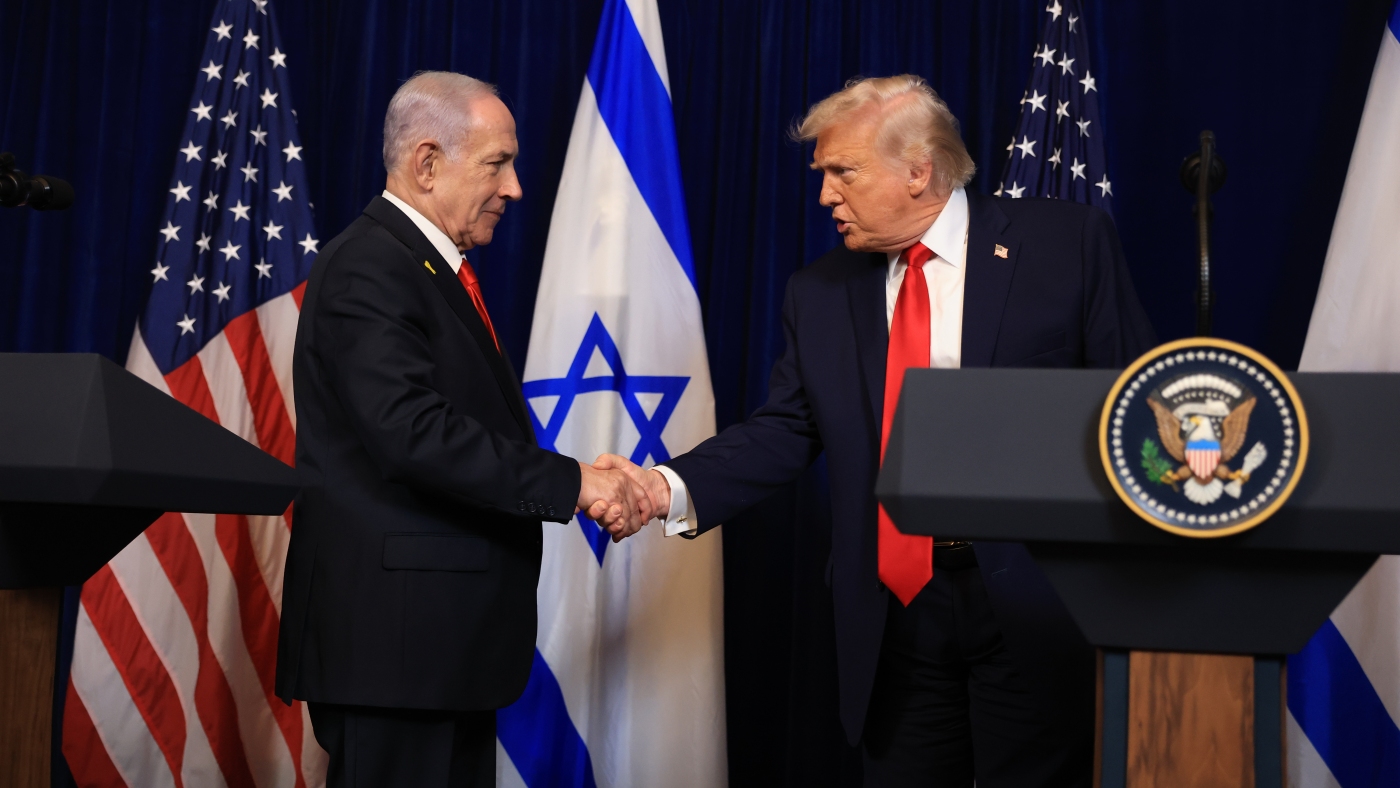
Israeli Prime Minister Benjamin Netanyahu and former U.S. President Donald Trump met on March 15, 2024, at Mar-a-Lago to strategize the next phase of the Gaza ceasefire plan. The meeting focused on the urgent need for a resolution amid ongoing tensions in the region and also served as a platform for the leaders to send a clear message to Iran. They warned against any attempts by Iran to rebuild its nuclear or missile capabilities.
While the discussions were described as productive, specifics regarding the future steps in the ceasefire were not disclosed. As reported by NPR, the Trump administration has yet to appoint a Board of Peace or designate leadership for Gaza. Reports indicate that Hamas remains firmly in control, with no indications of relinquishing power or disarming. The humanitarian situation in Gaza continues to be dire; despite the influx of aid, children are reportedly suffering from the harsh winter conditions and flooding.
In a separate development, Russia has accused Ukraine of an attempted drone strike against one of President Vladimir Putin‘s residences. This accusation has prompted Russia to harden its negotiating stance regarding the ongoing conflict in Ukraine. Ukraine, however, contends that these claims are fabricated, intended to justify Russia’s military actions.
Following the alleged drone incident, Trump expressed his frustration during a media briefing, acknowledging that the event has not been independently verified. Ukrainian President Volodymyr Zelenskyy continues to push for diplomatic resolutions to the conflict, seeking to maintain engagement with U.S. and European allies. Zelenskyy has emphasized a shared desire with Trump for an end to the war through negotiations.
The implications of these discussions extend beyond immediate military concerns. The humanitarian crises in both regions highlight the urgent need for effective governance and peace initiatives. As the international community watches closely, the outcomes of these high-level meetings could shape future policies and humanitarian efforts.
In addition to the geopolitical matters, the Trump administration is also grappling with domestic policy changes, particularly through its Department of Government Efficiency (DOGE). Established to streamline federal operations, DOGE aims to reduce spending and enhance efficiency, although its effectiveness remains a topic of debate. Reports indicate that the government has spent nearly $500 billion more than it has received in revenue from the start of the fiscal year in October to the end of November.
As these significant developments unfold, they underscore the complex interplay between international diplomacy and domestic governance, with far-reaching consequences for millions of individuals affected by the ongoing conflicts in Gaza and Ukraine.