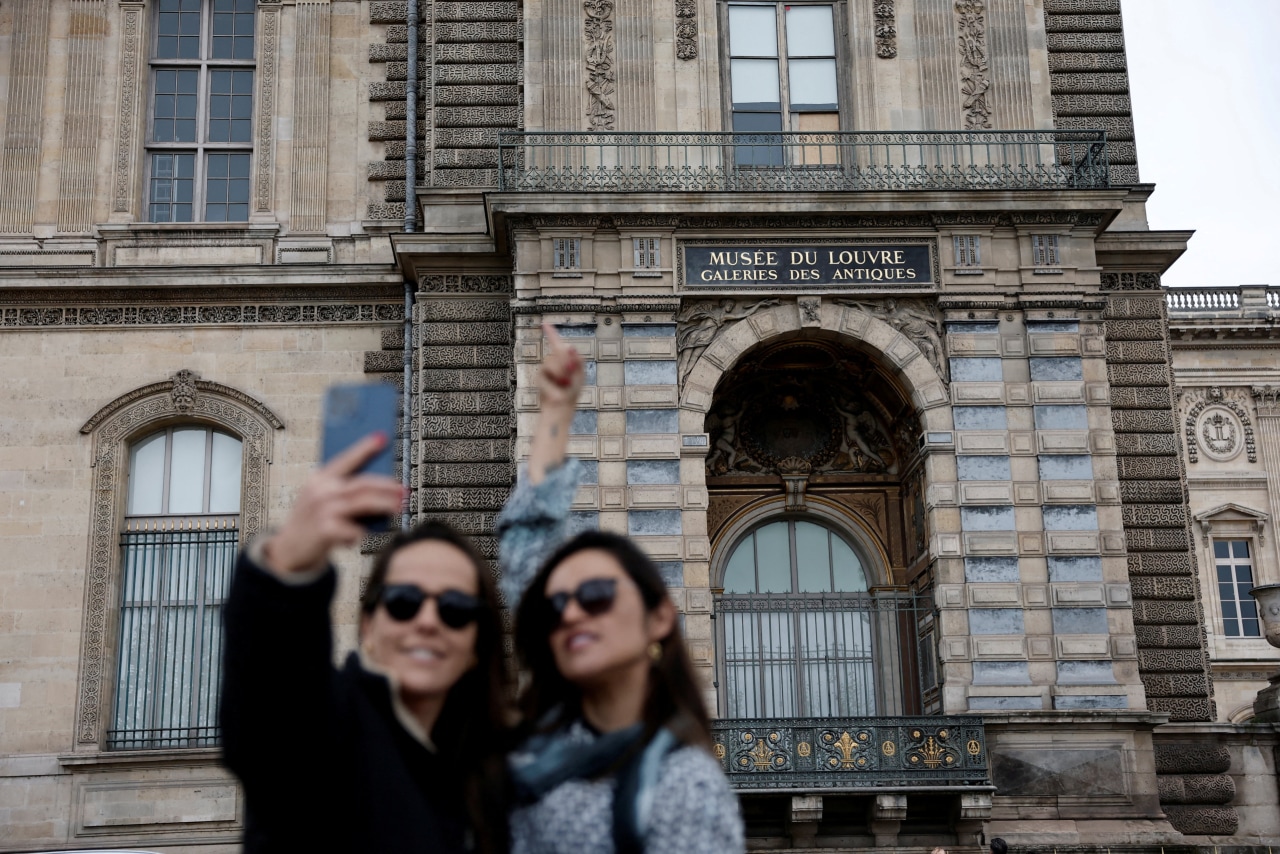
A recent examination of archives from the Louvre Museum in Paris has revealed a security assessment that outlined vulnerabilities exploited during the infamous art heist in 2010. The assessment detailed how a moving truck could gain access to the museum’s second floor, raising questions about the effectiveness of security measures in place at the time.
The security evaluation, conducted years before the robbery, provided a comprehensive overview of the museum’s logistics and potential entry points. According to documents obtained during a police investigation, the plan indicated that a large vehicle could easily navigate to the second floor, an area housing several valuable artworks.
This revelation has sparked a renewed discussion on museum security protocols. Art theft remains a significant concern worldwide, with the Louvre being a prime target due to its extensive collection. The museum’s management has since reassessed its security strategies to prevent similar incidents in the future.
Details of the Heist
On the night of January 5, 2010, thieves executed a meticulously planned operation, stealing several masterpieces valued at millions of euros. Among the stolen works were pieces by renowned artists, further amplifying the heist’s notoriety. The criminals’ ability to bypass security systems and access restricted areas has led to ongoing investigations by law enforcement agencies.
Experts in security and art theft have criticized the museum’s previous measures, emphasizing the importance of regular assessments and upgrades to security infrastructure. The assessment found in the archives suggests that the museum had not acted on critical vulnerabilities identified years earlier.
Implications for Museum Security
The findings from the Louvre archives serve as a cautionary tale for cultural institutions worldwide. As museums continue to attract millions of visitors annually, the need for robust security systems becomes increasingly vital. The art community has called for a reevaluation of security protocols to safeguard invaluable cultural heritage.
In the wake of the heist, the Louvre has implemented advanced surveillance technologies and increased staff training to enhance security. The museum is now working with law enforcement and security experts to develop a comprehensive plan that addresses both current threats and potential future risks.
As investigations continue into the 2010 heist, the Louvre’s archives have become a critical source of information that sheds light on the systemic failures that allowed the crime to occur. The museum’s commitment to improving security measures aims to restore public confidence and protect its priceless collections for future generations.