Saudi Arabia may be on the verge of establishing uranium enrichment capabilities as part of a proposed nuclear agreement with the United States. This development, highlighted in congressional documents and reports from the Arms Control Association, has surged to the forefront of international discussions, especially amid ongoing tensions between Iran and the U.S.
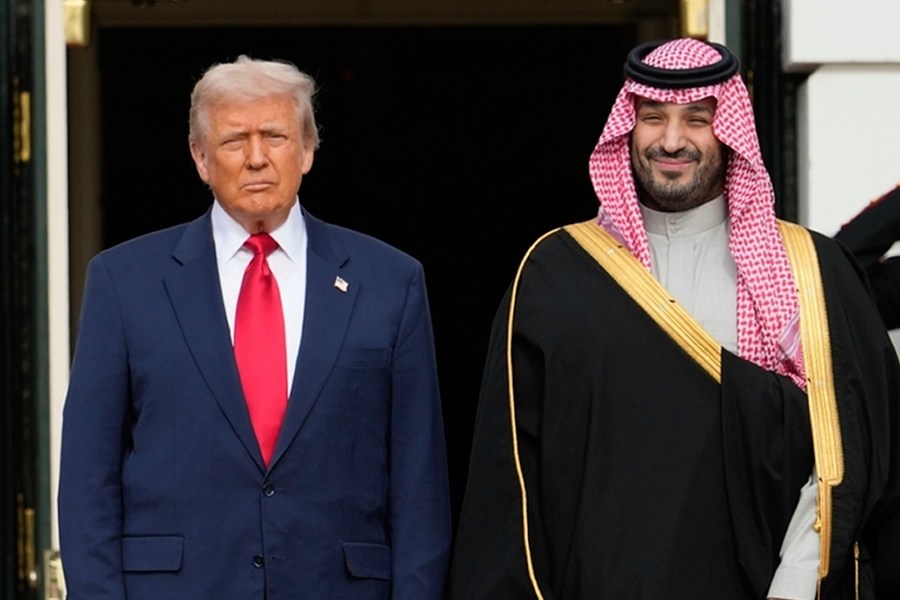
The proposed deal, still under negotiation, could allow Saudi Arabia to develop its own uranium enrichment program. This prospect raises significant concerns about nuclear proliferation in a region already marked by geopolitical instability. Both former President Donald Trump and current President Joe Biden have engaged in discussions regarding nuclear cooperation with Riyadh, which has been seeking to enhance its civilian nuclear capabilities.
Details of the Proposed Agreement
According to the congressional documents reviewed, the discussions encompass terms that might enable Saudi Arabia to process uranium. The specifics of the deal remain largely undisclosed, but experts fear that any enrichment capability could be misused, leading to a potential arms race in the Middle East. The Arms Control Association has cautioned that allowing enrichment could undermine global non-proliferation efforts and set a precedent for other nations.
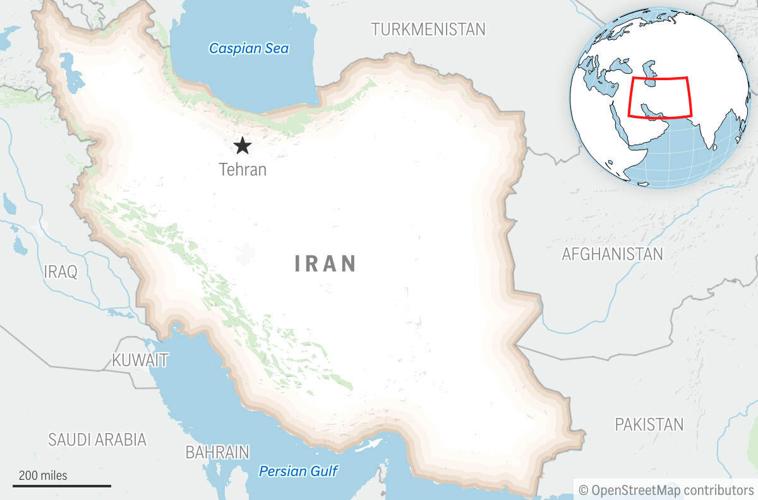
Critics of the proposed agreement argue that the U.S. should prioritize stringent safeguards. The potential for Saudi Arabia to develop nuclear capabilities comes at a time when regional tensions are high, particularly with Iran’s advancing nuclear program. Iran has consistently aimed to enhance its nuclear technology, a move that has drawn international scrutiny and sanctions.
Implications for Regional Stability
The implications of this proposed nuclear deal extend beyond Saudi Arabia. Should the kingdom achieve uranium enrichment, it may prompt neighboring countries to pursue similar technologies, further complicating an already sensitive regional landscape. Nations such as Egypt and Turkey could feel incentivized to develop their own nuclear programs, escalating the risk of a nuclear arms race.
The U.S. Congress is actively monitoring these negotiations, with concerns voiced from both sides of the political spectrum. Some lawmakers advocate for a more cautious approach to ensure that any agreement includes robust measures to prevent the misuse of nuclear technology.
As discussions progress, the international community is watching closely. With the stakes high and potential consequences significant, the outcome of these negotiations could reshape the dynamics of nuclear power in the Middle East for years to come.
In conclusion, while Saudi Arabia’s pursuit of nuclear technology may be framed as a move towards energy independence, it also opens the door to considerable risks. The challenge remains for the United States and its allies to balance nuclear cooperation with the imperative of non-proliferation.