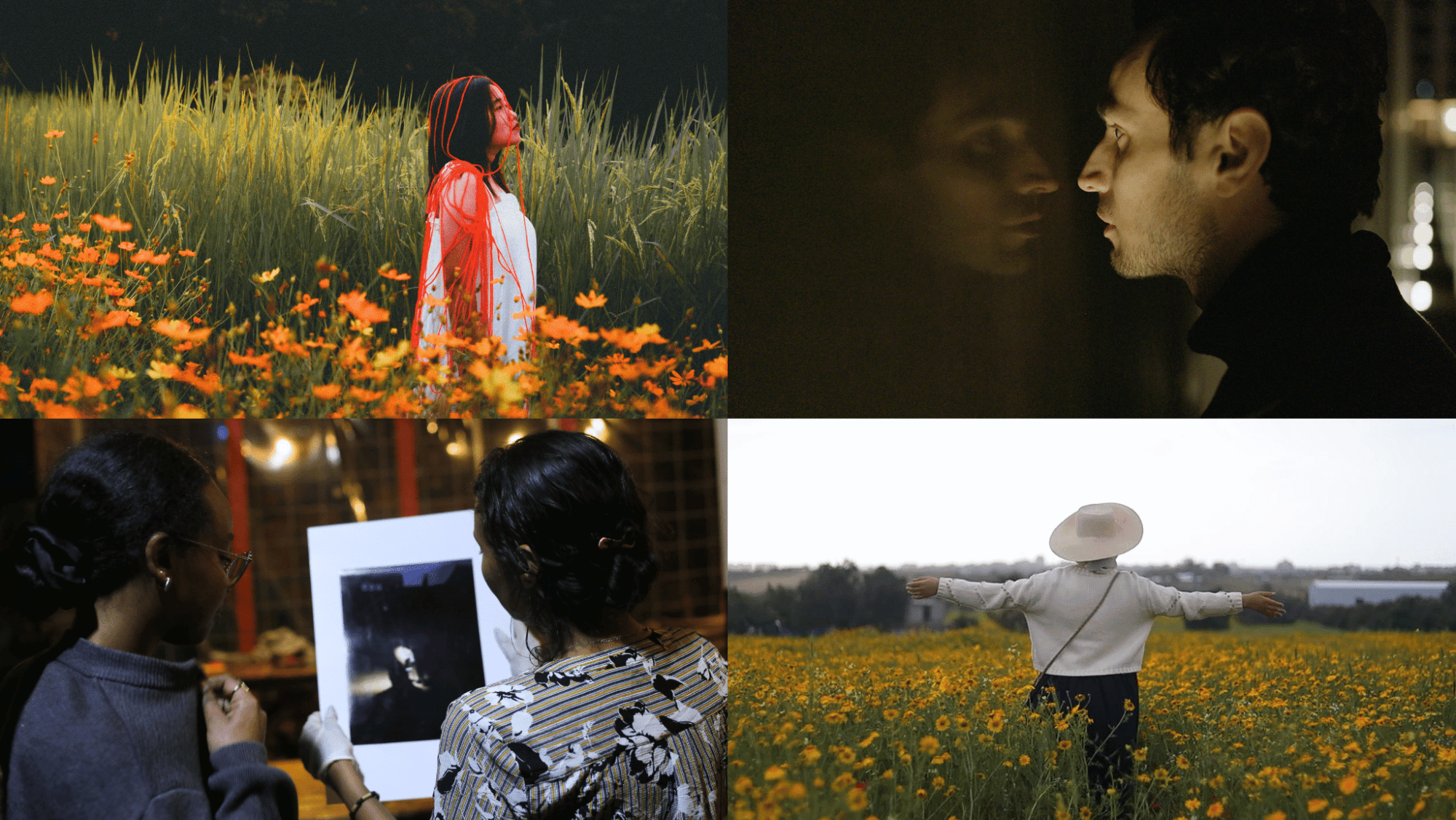
The International Film Festival Rotterdam (IFFR) is reinforcing its commitment to independent cinema with a series of innovative initiatives for its upcoming 55th edition, which will take place from January 29 to February 8, 2024. The festival’s IFFR Pro section will host the co-production market, CineMart, featuring a curated selection of 21 feature projects and 10 projects for its Darkroom works-in-progress platform.
New this year is Lightroom, a platform dedicated to showcasing immersive media projects, including extended reality (XR), virtual reality (VR), and interactive formats. This initiative aims to enhance the visibility of cutting-edge creative works. Additionally, six CineMart titles have been selected for the inaugural CineMart x Hubert Bals Fund (HBF) strand, highlighting projects previously awarded development support by IFFR’s Hubert Bals Fund.
In a significant move, the IFFR will pilot “Safe Harbour,” a market initiative designed to support stateless and at-risk filmmakers. This program aims to elevate projects from emerging directors who have faced displacement or forced migration, providing them with access to professional networks, funding opportunities, and developmental support.
Marten Rabarts, head of IFFR Pro, emphasized the festival’s role in balancing emerging talent with established filmmakers. “This year’s selections underline CineMart’s role as a place where discovery and established filmmaking meet,” he remarked. Rabarts noted that the narratives featured this year address pressing global issues such as war, displacement, climate change, and identity struggles, all presented through bold cinematic creativity.
The importance of supporting diverse voices in cinema is underscored by Tamara Tatishvili, head of the Hubert Bals Fund. She explained that the fund focuses on filmmakers from regions where access to film funding and infrastructure is limited. “We’re absolutely in the business of discovery and raising voices, particularly in communities that might not otherwise be in the spotlight,” Rabarts added.
A highlight of this year’s festival is the inaugural HBF Reunion, set for February 2, which will gather up to 30 filmmakers for an informal celebration. Notable attendees will include Sandra den Hamer, director of the Netherlands Film Fund, and alumni of the Hubert Bals Fund, such as Lucrecia Martel and Ratchapoom Boonbunchachoke, whose works will be showcased during the festival.
The festival’s focus on building a community among filmmakers and cinema enthusiasts is essential, especially in a politically charged climate. Rabarts remarked that the need to hear from filmmakers about the realities they face remains urgent. He noted, “The world’s on fire, and we need to hear from filmmakers telling us what that heat feels like in their part of the world.”
Despite the escalating challenges of financing films, Rabarts pointed out a trend toward collaborative co-productions, with some projects arriving at CineMart already backed by multiple partners. He identified a resurgence of films from Asia, particularly through partnerships fostered by the Asian Film Alliance Network (AFAN).
Moreover, there is a notable return of independent American filmmakers to Rotterdam, a trend Rabarts attributes to the current political landscape in the U.S. “Last year, we welcomed filmmakers like Cheryl Dunye, who sought support for her project when she couldn’t find it at home,” he said. This year, Rabarts highlighted two young African American filmmakers from Los Angeles, supported by production companies owned by Donald Glover and Riley Keough, showcasing the festival’s ongoing commitment to diverse narratives.
Tatishvili also emphasizes flexibility in supporting filmmakers, especially those emerging from vulnerable contexts. “We need to show flexibility when supporting people, as many come from situations where they cannot openly discuss their projects.” This year, films from the Displacement Film Fund will be screened at Rotterdam, further solidifying the festival’s commitment to showcasing diverse and often unheard voices.
The Safe Harbour initiative aims to eliminate barriers for displaced filmmakers, allowing them to present their stories without the constraints typically imposed by co-production markets. “We wanted to drop those barriers and create a platform where talent can stand tall,” Rabarts explained. This year’s selected projects include filmmakers from Syria, Gaza, Sudan, and Myanmar, highlighting a range of experiences related to displacement.
As the festival approaches, the urgency of supporting independent filmmakers and ensuring their stories are seen remains paramount. Tatishvili concluded, “It’s vital that films get a chance to land with audiences and trigger critical thinking. I’m a big believer in that.”
With these initiatives, the IFFR is not just a festival; it is a vital hub for innovative storytelling and a beacon for independent cinema, fostering a community that embraces creativity and resilience in the face of global challenges.