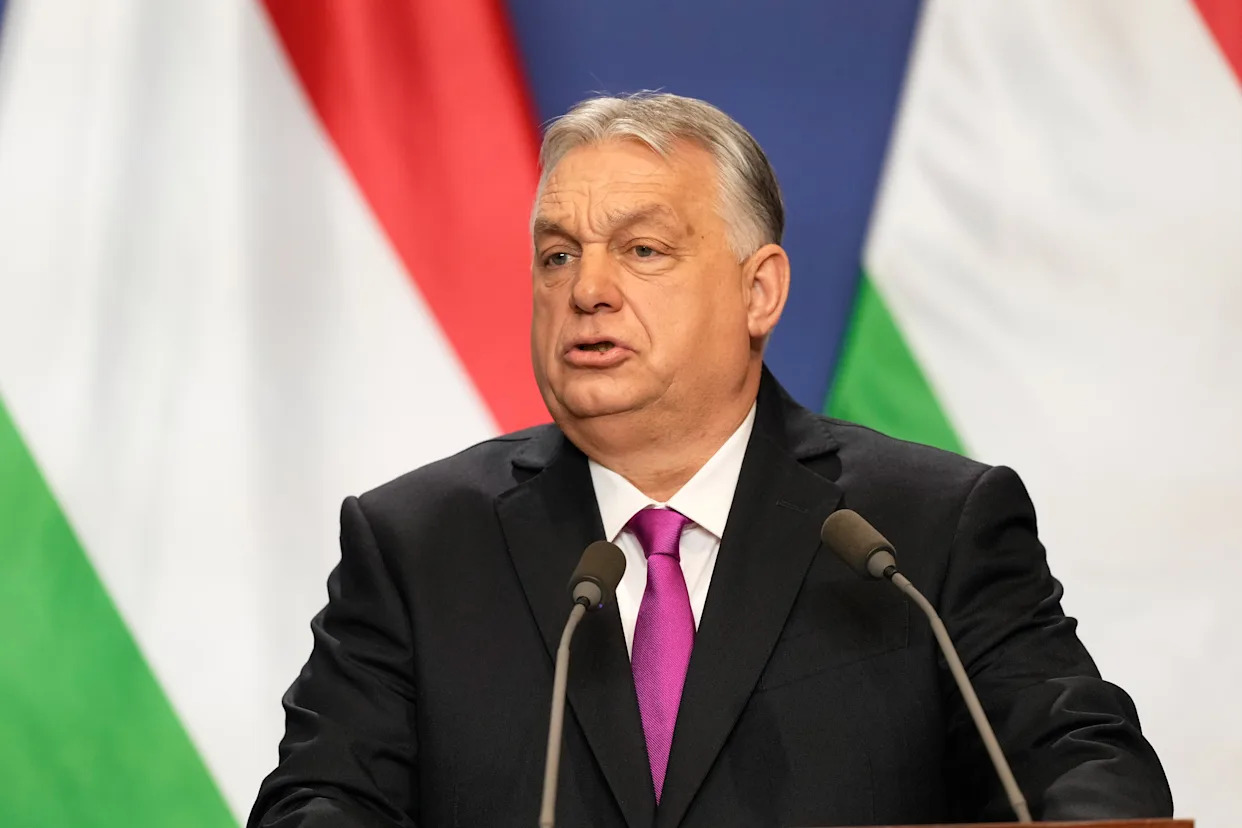
Hungarian Prime Minister Viktor Orbán has ordered increased security measures at critical energy infrastructure sites, following claims that Ukraine is attempting to disrupt Hungary’s energy system. This directive comes amid escalating tensions concerning oil deliveries through the Druzhba pipeline, which is vital for transporting Russian oil to Hungary and Slovakia.
Orbán’s accusations center on allegations that Ukraine has deliberately withheld oil deliveries through the pipeline, which transits Ukrainian territory. Ukrainian officials have rejected these claims, attributing disruptions to damage caused by Russian drone strikes. The pipeline is essential for local refineries, and its reliability has been compromised since January 27, 2024, when it became inoperative.
Security Measures and Accusations
In a video statement shared on social media, Orbán accused the Ukrainian government of employing “an oil blockade” to pressure Hungary. He indicated that Hungarian national security services have suggested Ukraine is planning further actions to disrupt the country’s energy operations. While he articulated these serious allegations, Orbán did not provide specific details or evidence to substantiate his claims.
To bolster security, Orbán announced the deployment of soldiers and necessary equipment to protect key energy facilities. He stated, “The police will patrol with increased forces around designated power plants, distribution stations, and control centers.” This move highlights the heightened concerns regarding energy security in Hungary, particularly as many European nations have reduced or ceased Russian energy imports since the onset of the conflict in Ukraine on February 24, 2022.
Despite the broader European Union sanctions against Russian energy, Hungary and Slovakia have maintained their oil and gas supplies from Russia, receiving a temporary exemption from the EU’s import restrictions. This positioning has proven controversial within the EU framework, especially as Hungary has threatened to block a substantial €90 billion (approximately $106 billion) EU loan for Ukraine and vetoed new sanctions against Russia.
Political Context and Implications
Orbán’s government has faced increasing scrutiny and criticism for its close ties to the Kremlin, making it the most accommodating EU member state towards Russia. As he prepares for a critical election on April 12, 2024, Orbán has ramped up his rhetoric against Ukraine, accusing it of “blackmail” and attempting to manipulate energy prices in Hungary.
The upcoming election poses a significant challenge for Orbán, who has been in power since 2010. His right-wing Fidesz party is currently trailing in independent polls, facing competition from the center-right challenger, Péter Magyar. In response to this political pressure, Orbán has initiated an aggressive media campaign portraying Ukraine as a direct threat to Hungary’s national security.
The political landscape is further complicated by the potential for escalating military tensions in the region. Orbán’s government has expressed intentions to implement a ban on drone operations in Szabolcs-Szatmár-Bereg County, which borders Ukraine. This decision underscores the government’s focus on safeguarding its energy infrastructure amidst fears of external disruptions.
As Hungary navigates these complex geopolitical dynamics, the implications for its energy security and political stability remain uncertain. The government’s stance reflects a balancing act between maintaining energy supplies and addressing national security concerns, while also preparing for the critical electoral showdown ahead.