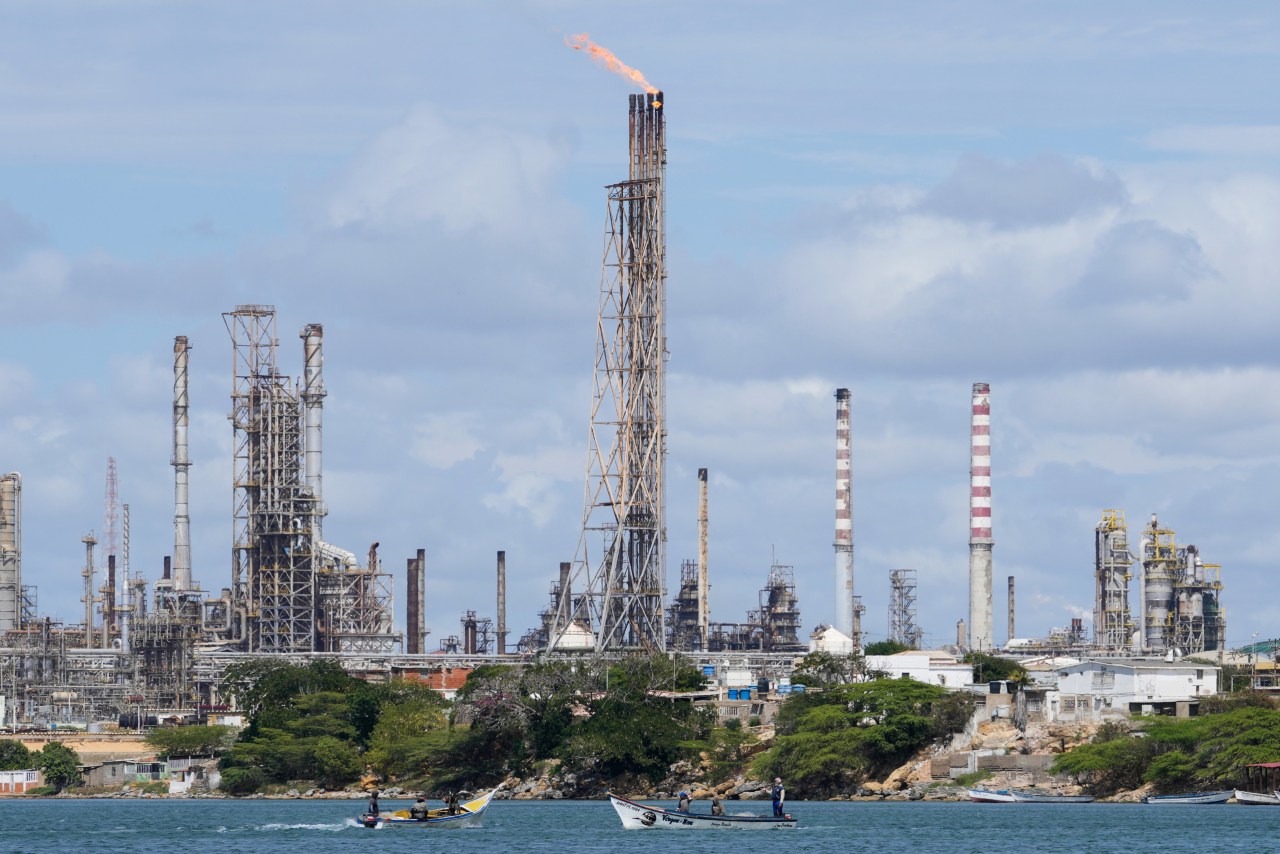
Oil traders are making a significant return to the Venezuelan market following the recent ouster of President Nicolas Maduro. Companies such as Vitol and Trafigura, alongside Greek tanker owners, are seizing opportunities to reinvigorate trade in a country rich in oil resources but long affected by political instability and economic decline.
The return of these traders marks a pivotal moment in Venezuela’s oil industry, which has struggled under international sanctions and declining production rates. The potential for profit is substantial, as reports indicate that Venezuelan oil sales could reach upwards of $8 billion in 2023, significantly boosting the nation’s economy.
Traders Set to Navigate New Landscape
With the political climate shifting, the oil industry is anticipating new deals that may reshape trade dynamics. Venezuelan oil has become increasingly attractive to international buyers, especially as global demand remains high. Traders like Vitol and Trafigura are poised to capitalize on this demand, utilizing their established networks and expertise to navigate the complexities of the Venezuelan market.
The ongoing recovery of Venezuela’s oil sector is expected to depend heavily on the stability of the new political environment. Industry analysts emphasize the importance of assessing regulatory changes and international relations that will impact trade agreements. The return of these traders, known for their robust operations, could reinstate Venezuela as a significant player in the global oil market.
Impact on the Global Oil Market
The influx of traders into Venezuela will not only affect local economies but could also have ripple effects across the global oil market. As production ramps up, Venezuelan crude may alter pricing structures and supply chains worldwide. The nation’s heavy crude oil is particularly sought after due to its compatibility with refining processes used by many international oil companies.
Moreover, the return of Greek tanker owners to the region adds another layer of complexity. These shipping companies have the logistical capabilities to transport large volumes of oil, ensuring that Venezuela can meet rising global demands. This resurgence in activity could potentially lead to increased competition among oil traders, ultimately benefiting consumers through more stable pricing.
While the future remains uncertain, the renewed interest by major players in the oil sector signals a cautious optimism for Venezuela’s economic recovery. The coming months will be crucial in determining how effectively these traders can operate in a landscape that has been marred by years of sanctions and political turmoil.
As the situation develops, keeping an eye on key indicators such as production rates, export volumes, and international relations will be essential for understanding the long-term implications of this renewed trade activity in Venezuela.