NATO’s ability to deter threats from Russia is experiencing significant challenges due to increasing divisions among its member states. Trust within the alliance has deteriorated, complicating efforts to present a unified front against external aggressions. European allies and Canada are committing billions to support Ukraine and enhance their defense budgets, yet internal conflicts, particularly in light of former U.S. President Donald Trump‘s controversial remarks, are straining relationships across the Atlantic.
The discord among NATO members has been particularly pronounced in recent months. The alliance’s collective response to Russian actions has been hindered by differing priorities and political agendas. As nations like Germany and France push for a more robust military presence in Eastern Europe, the United States has sought to balance its commitments with domestic concerns. This has led to a perception of inconsistency in NATO’s posture towards Russia, which could embolden further aggressive actions from Moscow.
Despite these challenges, NATO has made strides in military readiness. As of September 2023, member states have pledged to increase defense spending, with many countries aiming to meet the target of 2% of GDP. Canada alone has announced an increase of approximately $8 billion over the next five years to bolster its military capabilities. Such investments reflect a shared recognition of the ongoing threat posed by Russia and the necessity for a coordinated defense strategy.
Internal Disagreements Impact Strategy
The internal divisions have not gone unnoticed. Diplomatic sources indicate that NATO meetings have become contentious, with discussions often overshadowed by disagreements on military strategies and funding. The stark contrast between European and American priorities has led to a fragmented approach, undermining the alliance’s effectiveness.
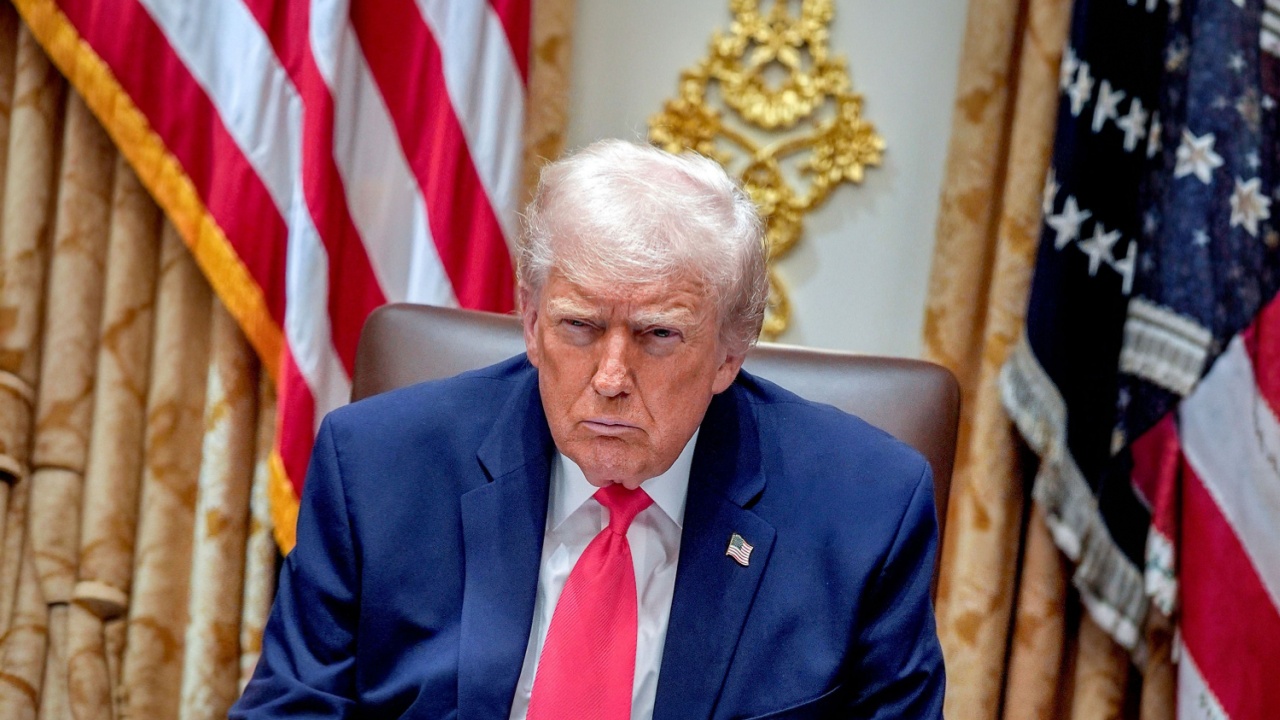
In particular, the rhetoric surrounding Donald Trump‘s presidency continues to influence NATO’s dynamics. His administration’s insistence on increased burden-sharing among allies sparked debates that have lingered even after his exit from office. As European nations evaluate their military commitments, the lingering effects of these tensions remain evident.
The ongoing war in Ukraine serves as a critical backdrop to NATO’s internal issues. As Russia continues its military operations, European allies recognize the urgency of a cohesive response. Finland and Sweden, for instance, have formally sought NATO membership, signaling a shift in regional security dynamics. Their addition to the alliance would enhance its collective deterrent capabilities, but the process has been complicated by varying degrees of support from existing member states.
The Road Ahead for NATO
Looking forward, NATO faces the challenge of re-establishing trust among its members while maintaining a strong deterrent posture against Russia. The alliance’s ability to navigate these internal divisions will be crucial in determining its efficacy in the coming months.
The upcoming NATO summit in Brussels in July 2024 will provide an opportunity for leaders to address these issues head-on. Strengthening relationships among members and fostering a unified strategy will be essential to countering any further Russian aggression. As the geopolitical landscape continues to evolve, NATO’s resilience will depend on its capacity to adapt and collaborate amidst internal complexities.
In summary, while NATO’s commitment to support Ukraine and enhance defense budgets is commendable, the alliance must overcome its internal divisions to effectively deter potential threats from Russia. The importance of unified action has never been more pronounced, as geopolitical tensions reach new heights.