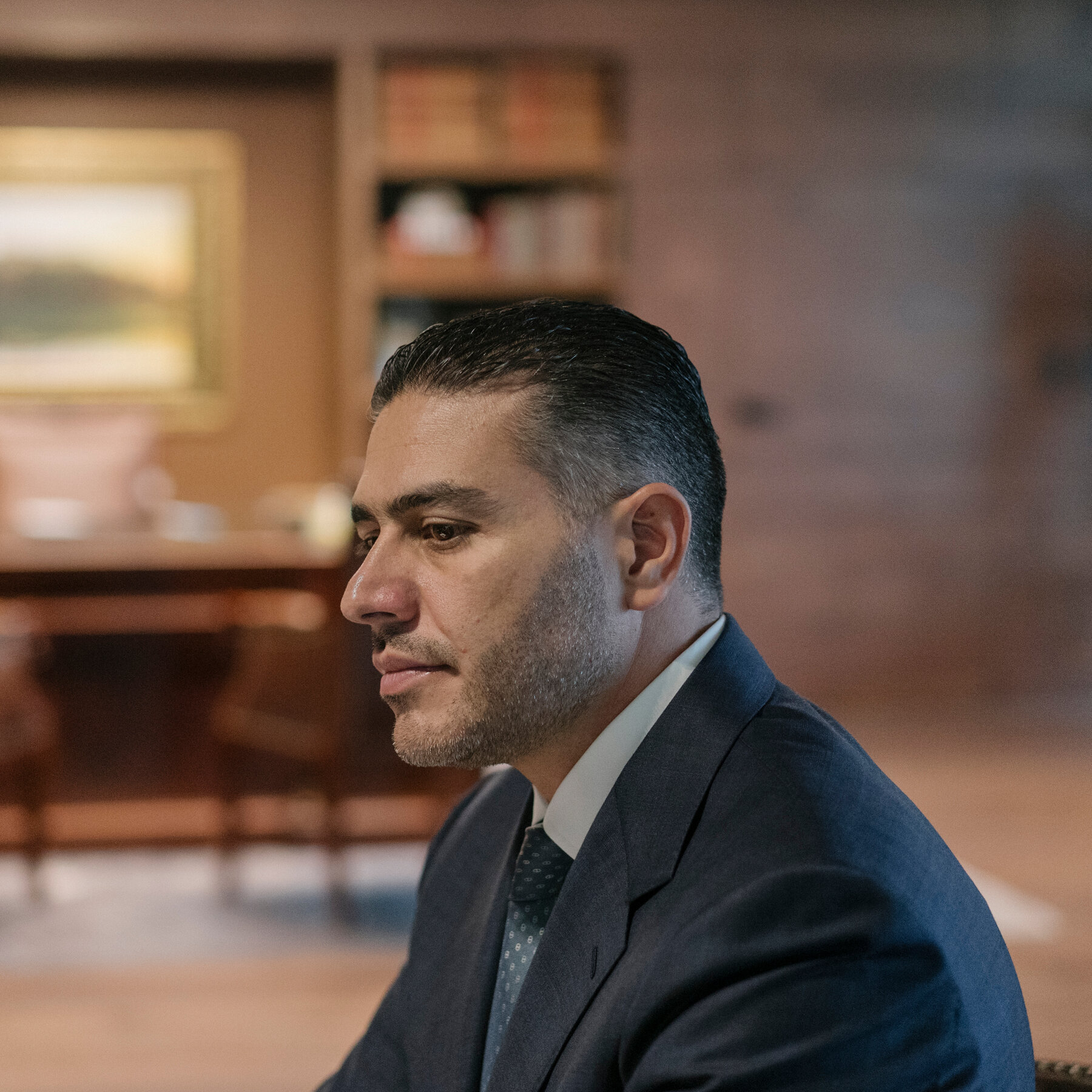
Omar García Harfuch, Mexico’s Security Chief, recently discussed the country’s ongoing efforts to combat drug cartels in an interview with *The New York Times*. He emphasized the government’s aggressive strategy to tackle organized crime, which has plagued the nation for decades. Harfuch’s insights shed light on the operational challenges and the evolving dynamics of cartel violence.
In the interview, Harfuch outlined key components of the security strategy implemented since his appointment. He noted that the Mexican government is intensifying its offensive against cartels, aiming to dismantle their networks and reduce violence in critical regions. This approach has included deploying additional military resources and enhancing intelligence capabilities to better understand cartel operations.
Collaboration with the United States
Harfuch also addressed the relationship between Mexico and the United States in combating drug trafficking. He noted that cooperation with the White House is essential, particularly given the cross-border nature of drug-related activities. The Security Chief highlighted recent discussions with U.S. officials to coordinate efforts and share intelligence on cartel movements.
According to Harfuch, the exchange of information has already led to several successful operations targeting high-profile cartel leaders. He stressed the importance of a united front against these criminal organizations, which have increasingly turned to violence in their quest for power and control over drug routes.
The Mexican government reported that incidents of cartel-related violence have surged, with a significant rise in killings and confrontations in urban areas. The ramifications of such violence extend beyond law enforcement, impacting everyday citizens and destabilizing communities. Harfuch described the situation as a “public safety crisis” that necessitates immediate and decisive action.
Challenges Ahead
Despite the government’s efforts, challenges remain formidable. Harfuch acknowledged that cartels have adapted to law enforcement tactics, often employing brutal methods to assert dominance. He pointed out that these groups are not only involved in drug trafficking but also engage in extortion and kidnapping, complicating the security landscape.
Harfuch’s observations underscore the need for innovative approaches to counter the cartels. He indicated that the government is exploring various strategies, including community engagement initiatives aimed at preventing youth from joining criminal organizations. By addressing the socio-economic factors that contribute to cartel recruitment, the government hopes to weaken the cartels’ influence over vulnerable populations.
International observers are closely monitoring Mexico’s security situation, recognizing its implications for regional stability. As the U.S. grapples with the opioid crisis fueled by illegal drugs, the collaboration between Mexico and the U.S. becomes increasingly critical. Harfuch’s commitment to combating drug cartels reflects a broader understanding of the interconnected nature of these issues.
In summary, Omar García Harfuch’s dialogue with *The New York Times* offers a glimpse into the complexities of Mexico’s fight against drug cartels. His insights highlight the ongoing struggles and the strategic partnerships essential to addressing organized crime effectively. The situation remains dynamic, and the consequences of inaction could have lasting impacts on both nations.