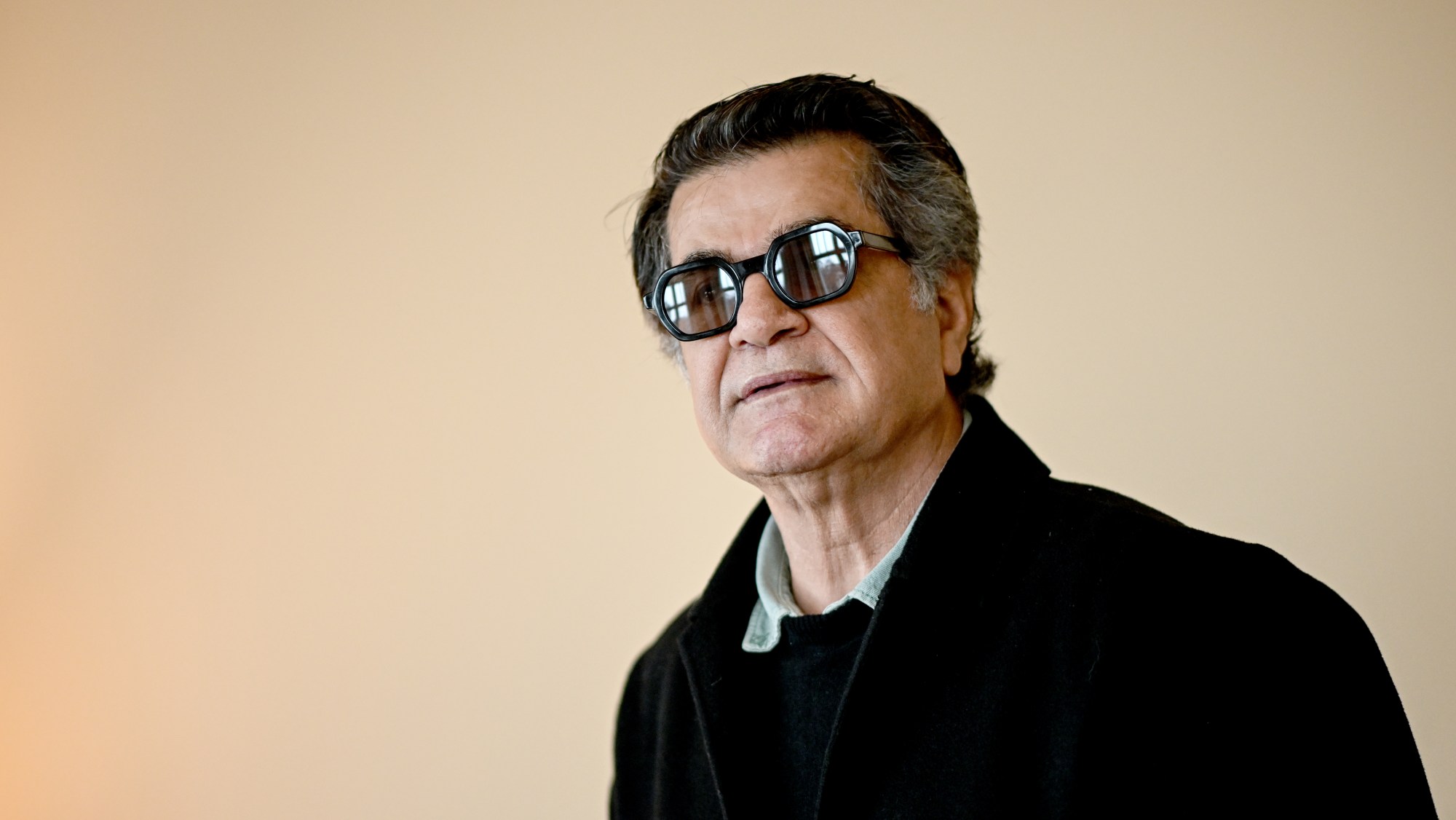
Jafar Panahi, the acclaimed Iranian filmmaker, is set to return to Iran following a successful promotional tour for his latest film, It Was Just an Accident. This comes despite a recently imposed one-year prison sentence and a two-year travel ban from Iranian authorities, marking a significant moment in his ongoing struggle against censorship.
In November 2023, North American distributor Neon announced Panahi’s first-ever U.S. tour, allowing him to engage with audiences while screening his film, which had its world premiere at the Cannes Film Festival. The film, inspired by his experiences in prison, received critical acclaim and won the prestigious Palme d’Or. It was a triumphant moment for Panahi, who had faced numerous restrictions on his mobility and artistic expression in his home country for over a decade.
The tour culminated with a screening at Lincoln Center in New York, just a day before news broke of Panahi’s new prison sentence. While in New York, he attended the Gotham Awards, where he won accolades for directing and screenwriting. The film is also nominated for major awards at the upcoming Golden Globe Awards and is shortlisted for an Oscar for best international feature.
During a recent Zoom conversation, Panahi expressed his commitment to returning to Iran immediately following the awards campaign, despite the risks involved. He described the joy of screening his film across various U.S. cities, emphasizing the importance of audience engagement in assessing the film’s strengths and weaknesses.
Panahi acknowledged the varying reactions he observed from audiences, particularly regarding the film’s humor. He noted that American audiences reacted differently compared to audiences in Iran, revealing cultural nuances in humor. “In some places, people laughed at parts of the film that I could not believe they found funny,” he said. This reflective observation highlights the complex interplay between comedy and tragedy in his work.
The filmmaker shared a poignant anecdote about an incident during the Twelve-Day War of 2025, which struck a chord with his understanding of human behavior in dire situations. He recalled an event where prisoners chose to rescue the bodies of interrogators after a missile hit the prison they were held in. “It’s a very natural thing that people in Iranian culture might do. It’s not at all funny,” he explained, shedding light on the depth of human experience captured in his storytelling.
Despite the looming prison sentence, Panahi remains steadfast in his decision to return to Iran. “I work and behave based on what I sense and feel. I know the context of my country,” he stated. He emphasized the importance of being true to himself and his work, even in the face of adversity.
The filmmaker also reflected on the common struggles faced by many Iranian artists, highlighting the challenges imposed by the government on creative expression. He mentioned fellow filmmakers who have faced similar restrictions, emphasizing a sense of solidarity among those fighting for their art and freedom.
As he navigates the complexities of international acclaim and domestic challenges, Panahi remains focused on his craft. He has historically financed his films independently to maintain creative control, underscoring his commitment to authenticity in filmmaking. “I always say that a filmmaker first has to satisfy themselves before they can satisfy others,” he remarked.
With an appeal hearing recently scheduled in Iran, Panahi awaits updates on his legal status, hoping for a favorable outcome. He acknowledges that while this is not his first encounter with the Iranian legal system, the current situation is distinct due to the international attention his work has garnered.
As his film continues to resonate globally, Panahi’s experience is a testament to the power of art as a form of resistance. While preparing for his return home, he remains undeterred, embodying the spirit of resilience that characterizes his work and the broader Iranian narrative.