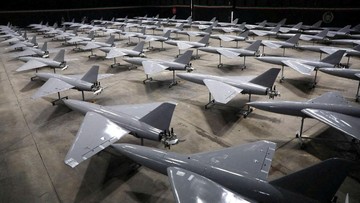
The ongoing conflict between the United States, Israel, and Iran has intensified as Iran employs cost-effective Shahed drones for attacks. This strategy, now entering its fifteenth day on March 15, 2024, has significantly raised operational costs for the US and its allies. As the hostilities unfold, the effectiveness and implications of Iran’s drone warfare tactics are coming into sharp focus.
The Shahed drones, known for their affordability and effectiveness, have been central to Iran’s military strategy. By utilizing these low-cost unmanned aerial vehicles, Iran has managed to inflict considerable damage while minimizing its own expenditures. The drones represent a shift in conventional warfare, emphasizing attrition as a key strategy against more heavily armed opponents.
This conflict has not only raised military expenses but has also prompted discussions about the broader implications for regional stability. The US military is reportedly incurring higher costs in countermeasures and support operations, potentially affecting its long-term strategy in the region.
Iran’s drone program, which has gained notoriety in recent years, highlights a growing trend in asymmetric warfare. The use of inexpensive technology allows Iran to engage in a drawn-out conflict without the same financial burdens faced by its adversaries. Analysts suggest this approach could lead to prolonged engagement, straining resources and morale for the US and its allies.
As the situation evolves, the response from the United States and Israel remains under close scrutiny. Both nations have reinforced their military presence in the region, seeking to counter the drone threat while ensuring the safety of their respective forces. The increasing reliance on drone technology by Iran raises questions about future military engagements and the cost of warfare in an age of advanced technology.
In conclusion, the use of Shahed drones marks a significant turn in the ongoing conflict, emphasizing the challenges posed by low-cost, high-impact warfare. As the United States and Israel grapple with the implications of these tactics, the focus will likely remain on how to adapt strategies in response to this evolving threat. The outcome of this conflict could have lasting repercussions for military operations in the region and beyond.