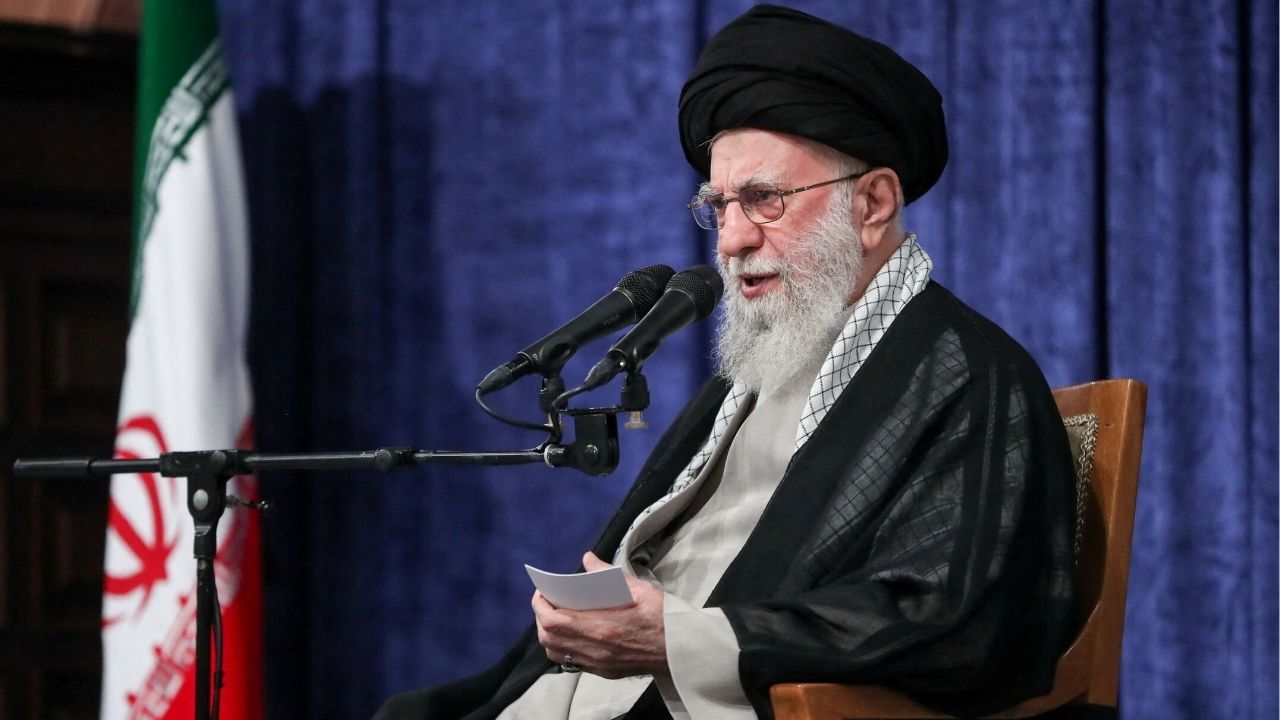
Iran’s Supreme Leader, Ayatollah Ali Khamenei, has reportedly taken refuge in a fortified underground bunker following warnings from senior advisers about the possibility of imminent U.S. airstrikes. This development comes amid escalating tensions between Tehran and Washington, as reported by sources familiar with Iranian security discussions.
Heightened Security Measures
At 86 years old, Khamenei has led Iran since 1989. Advisers recommended the precautionary relocation as concerns mounted over potential military actions by the United States. Khamenei is believed to be in a hardened underground facility linked to extensive tunnel networks, which are designed to withstand aerial assaults.
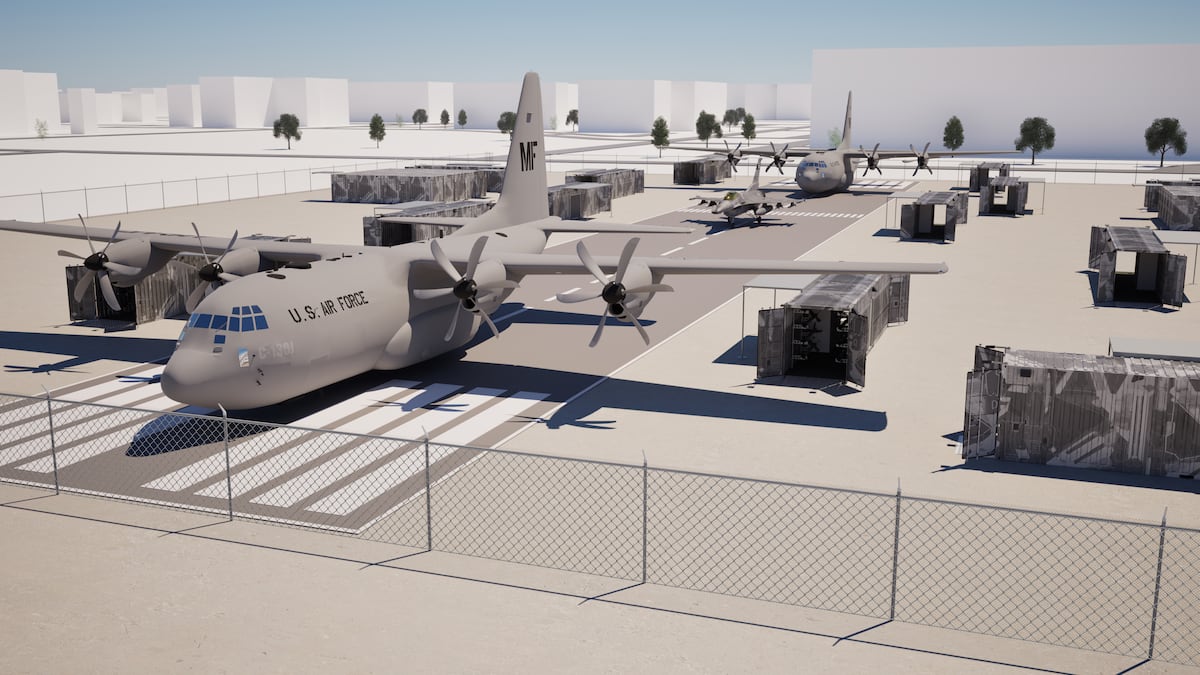
The situation has intensified as U.S. military assets, including aircraft carrier strike groups, have increased their presence near the Persian Gulf. Although U.S. officials have not confirmed any plans for airstrikes, the Pentagon has refrained from commenting on Khamenei’s reported relocation.
According to the report, Khamenei has delegated certain operational responsibilities to aides and family members while maintaining communication with senior officials. However, Iranian authorities have not publicly acknowledged that the supreme leader has gone into hiding, and these claims remain unverified.
Warnings of Retaliation
Iranian officials have consistently warned that any direct attack on the nation’s leadership would provoke a severe military response. Recent statements from commanders within Iran’s Revolutionary Guard indicate that the country is prepared to retaliate against U.S. forces should tensions escalate further.
The report also highlights ongoing internal pressures facing Iran’s leadership, including economic challenges and sporadic civil unrest. Khamenei has previously accused the United States and its allies of attempting to destabilize Iran through sanctions and covert operations.
As the situation evolves, neither the White House nor Iran’s mission to the United Nations has responded to requests for comment. The implications of this standoff could have significant consequences for regional stability and international relations.