The head of Iran’s judiciary has announced plans for fast trials and potential executions for individuals detained during recent nationwide protests. This declaration from Gholamhossein Mohseni-Ejei comes despite a warning issued by U.S. President Donald Trump regarding the treatment of the protesters.
Judiciary’s Firm Stance on Detained Protesters
In a video broadcast by Iranian state television, Mohseni-Ejei emphasized the judiciary’s commitment to addressing the unrest swiftly. He stated, “If individuals are guilty, they will be held accountable.” His remarks signal a determined approach to handling the protests that have swept across Iran.
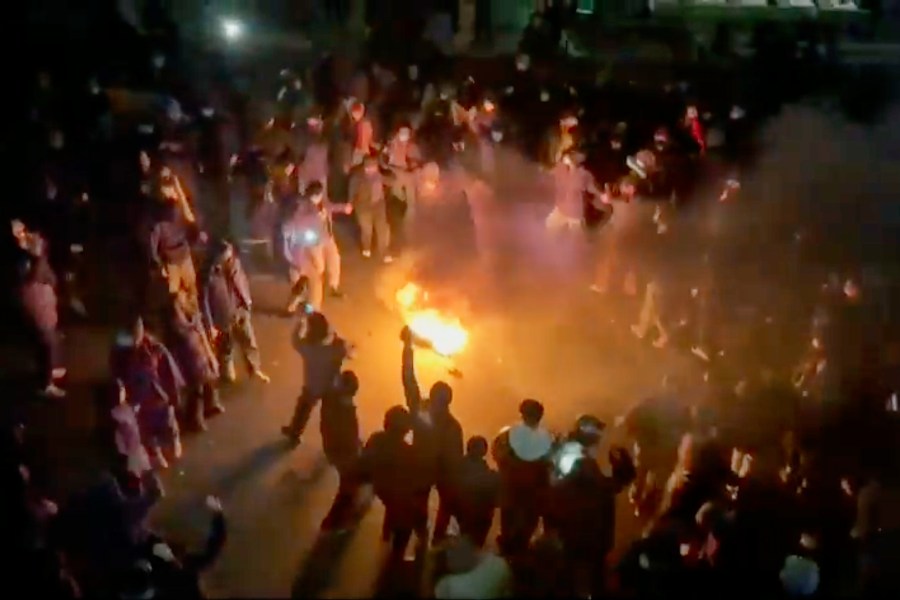
The protests, which erupted following a series of social and economic grievances, have seen thousands detained. Human rights organizations have expressed concerns over the treatment of these individuals, highlighting the potential for unfair trials and harsh penalties, including the death penalty.
International Reaction and Implications
President Trump’s warning came as part of a broader international response to Iran’s handling of dissent. He cautioned that swift punitive measures against protesters could lead to severe consequences for the Iranian government on the global stage. This statement reflects the increasing scrutiny and pressure from Western nations on Iran regarding its human rights practices.
The Iranian government has historically taken a hardline stance against dissent, often using swift legal action to deter protests. The current climate suggests that the judiciary intends to uphold this tradition, prompting fears of a crackdown on civil liberties.
The situation remains fluid, with international observers closely monitoring developments. The implications of Iran’s judiciary actions extend beyond its borders, potentially affecting diplomatic relations and the country’s standing in the international community.
As the situation evolves, the world watches closely to see how Iran balances its internal security measures with the growing demand for reform and respect for human rights from both its citizens and the international community.