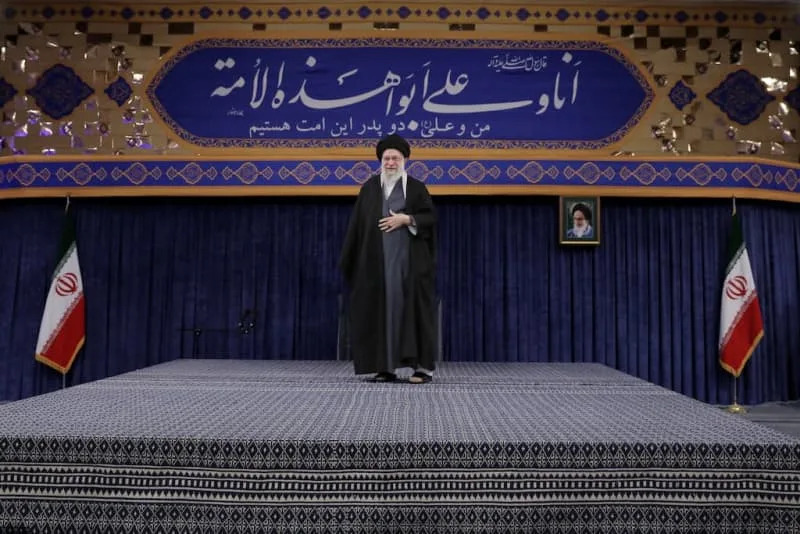
Protests in Iran have intensified over the past two weeks, leading to significant unrest and reports of hundreds of casualties among demonstrators. In response, the Iranian government has taken measures to suppress information, including internet shutdowns, to maintain a facade of stability. The regime appears determined to project an image of confidence, continuing diplomatic outreach without acknowledging the domestic turmoil.
The Iranian foreign minister, Abbas Araghchi, recently visited Lebanon, where he met with local officials, including President Joseph Aoun. In these discussions, Aoun emphasized the importance of “non-interference” in Lebanon’s internal affairs, signaling Lebanon’s unease with Iran’s influence, particularly through its support of Hezbollah. Araghchi responded by affirming Iran’s commitment to Lebanon’s sovereignty and expressing a desire to enhance bilateral relations, despite underlying tensions.
Beirut has remained apprehensive regarding Iran’s role in Lebanese politics. Youssef Raggi, Lebanon’s foreign minister, has criticized Iran’s involvement, further straining relations. This shift comes as Iran’s previous dominance through Hezbollah appears to be waning, with Israel gaining greater freedom of action in the region. Araghchi’s remarks during his visit to Lebanon reflect Iran’s ongoing efforts to assert its influence, even as it grapples with domestic challenges.
During his diplomatic engagements, Araghchi also met with Sayyid Badr bin Hamad bin Hamood Al Busaidi, Oman’s foreign minister, where he cautioned against any external interference in Iran’s internal matters. His comments seem directed at both the United States and Israel, underscoring Iran’s stance that sovereign nations should resolve their issues independently. He called for a cessation of foreign meddling in regional conflicts, citing the situation in Yemen as an example.
While Iran’s leadership, including Mohammad Baqer Qalibaf, the Speaker of Parliament, has adopted a defiant tone, promising to confront what they term a “fabricated terrorist war,” there are signs of concern beyond its borders. Turkey, a neighboring country, is particularly anxious about the possibility of the Iranian regime collapsing, fearing that similar protests could erupt within its own borders. Turkish media typically align with the Iranian government’s narrative, reflecting their mutual interests in maintaining stability.
Reports from Iranian state media indicate that at least six security personnel have died during the protests, while authorities have detained approximately 200 protest leaders. The unrest has been fueled by escalating economic hardships, prompting Iranian President Masoud Pezeshkian to assert that foreign adversaries aim to instigate chaos in the country. He has vowed to tackle the nation’s economic issues despite the ongoing demonstrations.
As Iran navigates this precarious situation, its diplomatic efforts appear aimed at maintaining an image of normalcy while confronting significant internal challenges. The government’s reluctance to seek assistance from allies such as Russia and China suggests a desire to project confidence, even as protests continue to threaten its stability. The coming weeks may reveal whether the regime can withstand the pressure from both its citizens and the international community.