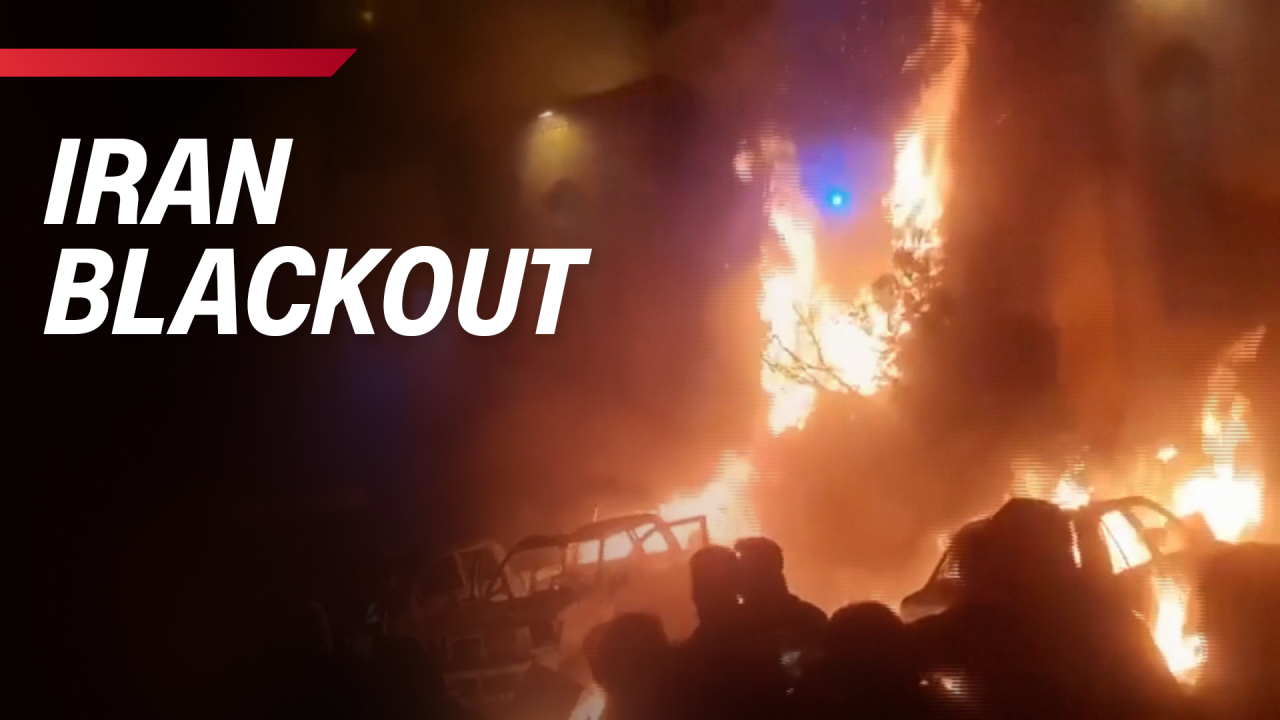
Protests in Iran show no signs of abating as the country experiences its second consecutive day of an internet blackout, imposed by the government to curb dissent. The unrest has persisted for more than ten days, fueled by widespread frustration over rising inflation and discontent with the ruling authorities.
In a significant development, Reza Pahlavi, the son of Iran’s last shah, has called for a two-day nationwide strike. Pahlavi, who was exiled following the 1979 Islamic Revolution, urged workers in key sectors, including transportation, oil and gas, and energy, to participate in the strike starting Saturday. His appeal was made through a video posted on social media platform X, where he encouraged citizens to reclaim public spaces with flags and national symbols.
“I also ask all of you… to come into the streets with flags, images and national symbols and to reclaim public spaces as your own,” Pahlavi stated. He emphasized the need for demonstrators to prepare to occupy city centers, asserting that the protests held on Friday conveyed a strong message to the Iranian leadership.
Despite his calls for action, the current popularity of Pahlavi within Iran remains uncertain. Having been only 16 years old at the time of his father’s ousting, he is the direct heir to a historical lineage that ruled the oil-rich nation for over four decades.
Internet Blackout and Protest Impact
According to watchdog group NetBlocks, the internet blackout initiated by Iranian authorities has now exceeded 36 hours. The disruption began on Thursday, following mass protests in the capital, Tehran.
As of Saturday morning, NetBlocks reported, “It’s now 8:00 am in #Iran where the sun is rising after another night of protests met with repression; metrics show the nationwide internet blackout remains in place at 36 hours, severely limiting Iranians’ ability to check on the safety of friends and loved ones.”
This ongoing blackout complicates communication for many Iranians amid the turmoil, as citizens seek to connect with one another during a time of heightened tension. The protests that ignited on December 28, 2022, were sparked by the population’s growing frustration over economic challenges and the heavy-handed response from security forces.
As the situation develops, the international community watches closely, noting the implications of these protests and the government’s efforts to suppress dissent through technological means. The actions of both the protesters and the authorities will likely shape the future of public sentiment and governance in Iran.