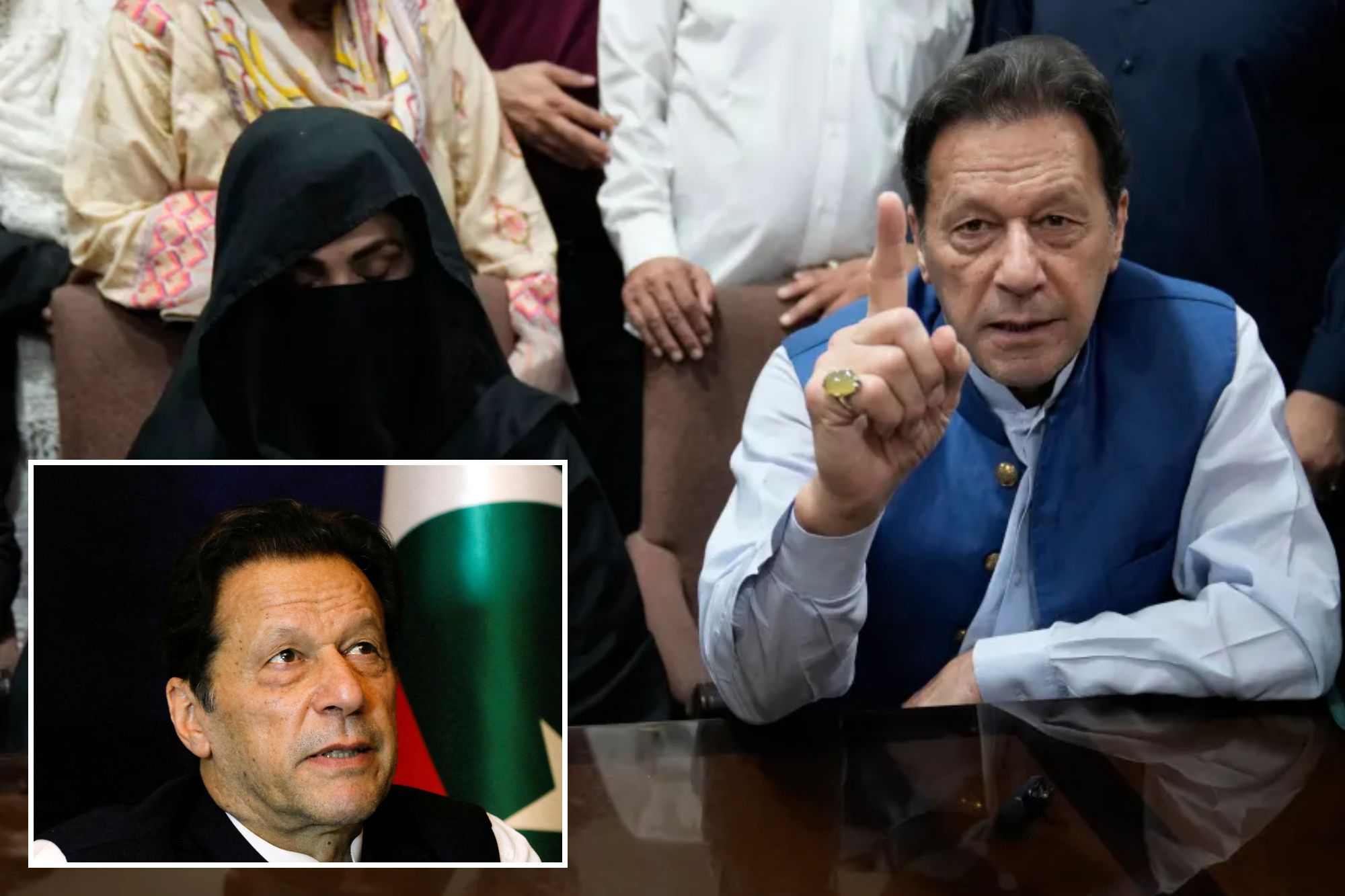
A Pakistani court has sentenced former Prime Minister Imran Khan and his wife, Bushra Bibi, to 17 years in prison after they were found guilty of unlawfully retaining and selling state gifts. The verdict was delivered on March 15, 2024, during a trial that has raised significant concerns over its fairness and transparency.
The couple was indicted last year, pleading not guilty to the charges. Prosecutors alleged that while in office, Khan and Bibi sold state gifts, including jewelry from the Saudi Arabian government, at significantly lower prices than their market value. They reportedly declared the total value of these gifts as just over $10,000, despite their actual worth being approximately $285,521. This discrepancy allowed them to purchase the gifts at a reduced price, a violation of Pakistani law that mandates government officials must buy gifts at assessed market value and declare any profits from their sale.
Khan’s attorney, Salman Safdar, announced plans to appeal the ruling, asserting that the court’s decision lacks a solid foundation. In a statement, Khan’s spokesperson, Zulfiquar Bukhari, condemned the ruling, claiming it was based on a retrospective reinterpretation of legal principles without any proof of intent or wrongdoing. He highlighted that the court’s actions raised “serious questions about the fairness and impartiality of the process.”
Political Reactions and Implications
The Pakistan Tehreek-e-Insaf (PTI) party, which Khan leads, denounced the court’s ruling as “a black chapter in history.” They expressed outrage over the conditions surrounding the trial, which was held in Adiala Prison in Rawalpindi. PTI officials noted that Khan’s family was denied access to the courtroom during the verdict announcement, characterizing the proceedings as a “closed-door jail trial” that undermines principles of justice.
In contrast, Information Minister Attaullah Tarar defended the ruling, stating that the court had examined substantial evidence of corruption, asserting that the decision was just. Khan, who was ousted from power in April 2022 through a no-confidence vote, remains a significant figure in Pakistani politics despite his party’s current opposition status in the parliament.
Despite his legal troubles, Khan continues to enjoy considerable public support. His party performed strongly in the February 8, 2024, parliamentary election, though it did not secure a majority in the National Assembly, claiming that the vote was rigged—a claim the government has denied.
Khan’s political career has been fraught with challenges since his removal from office, as he has continuously alleged that his ousting was orchestrated by a conspiracy involving the U.S. and the Pakistani military, claims that have been rejected by both Washington and the military.
As Khan serves multiple prison terms for various corruption-related convictions, his supporters argue that these legal actions are politically motivated attempts to impede his political ambitions. The recent sentencing further complicates the already tense political landscape in Pakistan, raising questions about the future of Khan and the PTI amid ongoing allegations of selective prosecution.