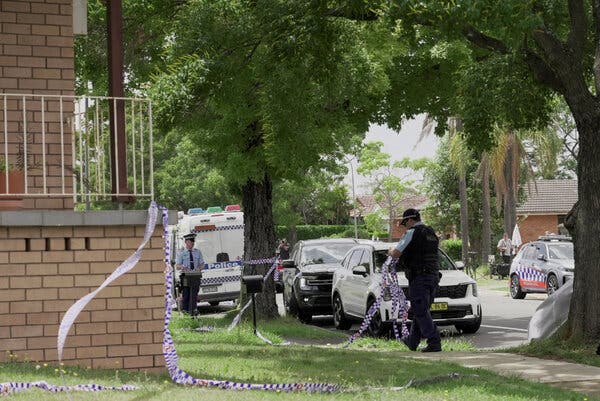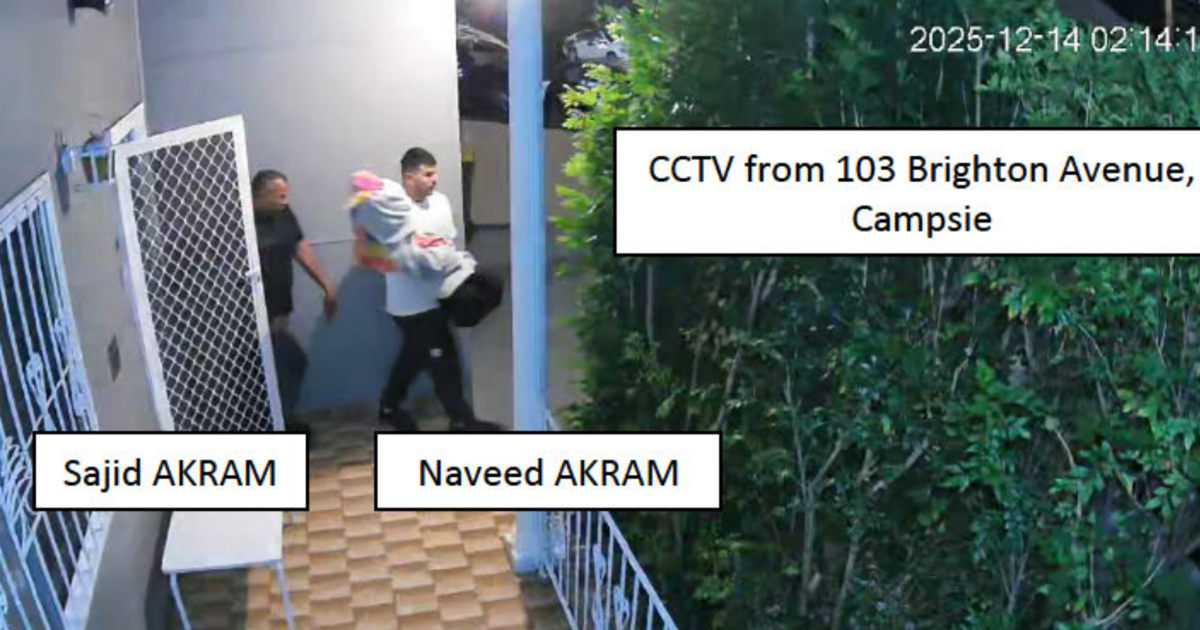
Australian authorities have revealed shocking details regarding the mass shooting that occurred during a Hanukkah celebration at Bondi Beach, which resulted in the deaths of 15 people. According to court documents released on Monday, the accused, Naveed Akram, 24, and his father, Sajid Akram, 50, threw four homemade explosive devices at the crowd before initiating the shooting spree. Investigators assert that the suspects had undergone training prior to the attack and recorded a video justifying their actions.
Naveed Akram appeared in court via video link from a Sydney hospital, where he is recovering after the incident. He faces multiple charges, including murder and terrorism. Police are currently investigating whether the suspects received any external support, particularly focusing on their travel to the southern Philippines in November. This region has previously been identified as a hotspot for extremist activities.
The events of December 14, 2023, mark Australia’s deadliest mass shooting in three decades, prompting widespread outrage and grief from the Jewish community. Many within this community feel their warnings about rising antisemitism have been disregarded. Prime Minister Anthony Albanese expressed his condolences at a vigil for the victims, acknowledging the weight of responsibility he feels as the nation’s leader during this tragic event.
Police statements detail a chilling sequence of events leading up to the attack. The gunmen reportedly threw three pipe bombs and one “tennis ball bomb,” which failed to detonate, from a footbridge overlooking the mostly Jewish crowd celebrating Hanukkah. Preliminary analyses confirmed that the pipe bombs were constructed from sealed aluminum piping containing explosive materials, black powder, and steel ball bearings.
The suspects engaged in tactical training in a rural area of New South Wales in late October. Investigators located a video on Naveed’s phone that depicted the pair firing shotguns and practicing military-style movements. Images from the video show the suspects dressed in black while training in a green field. Additionally, police discovered another video recorded during the same period, where the suspects were seen in front of an image of an ISIS flag, making statements about their motivations for the Bondi attack.
From November 1 to November 28, the Akram duo traveled to the Philippines, where they stayed at a budget hotel in Davao City. The hotel staff reported that the suspects initially booked a week-long stay but extended their visit. Davao City has a history of being a refuge for Al-Qaeda and ISIS fighters, with current intelligence suggesting the presence of several ISIS-aligned operatives in the area.
Philippine authorities have initiated “backtracking operations” to trace the suspects’ movements during their stay, as well as to identify individuals they may have interacted with for potential links or support networks. Shortly after returning to Sydney, the suspects rented an Airbnb from December 2 to December 21, where police later recovered several firearms, ammunition, a suspected homemade explosive device, 3D-printed components for a shotgun speed loader, and two copies of the Quran.
On the day of the attack, the suspects loaded their vehicle with two single-barrel shotguns, a rifle, four homemade explosive devices, and two ISIS flags. Upon arriving at the site of the attack, they displayed the flags prominently in their vehicle. Tragically, while Sajid Akram was killed at the scene, Naveed Akram has since regained consciousness from a coma and now faces a total of 59 charges, including 15 counts of murder and terrorism.
The ramifications of this attack continue to reverberate throughout the nation, highlighting concerns about rising extremism and the increasing threat to minority communities in Australia.