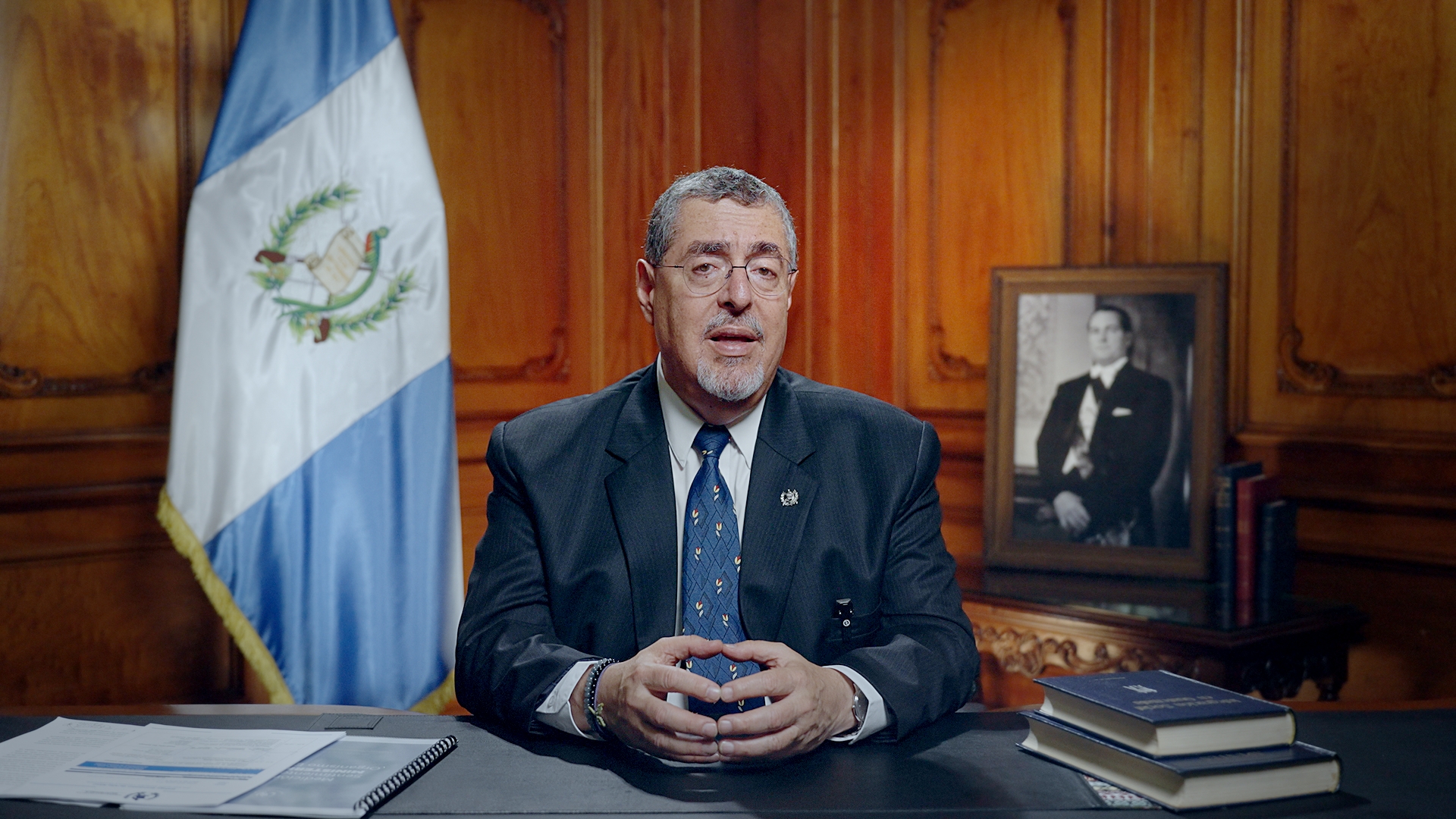
Guatemalan President Bernardo Arevalo declared a nationwide “state of siege” for 30 days on January 15, 2024, following a series of violent incidents attributed to gang activity that resulted in the deaths of nine police officers in Guatemala City. This declaration, made unilaterally, is pending congressional approval but will remain in effect until a decision is reached.
The recent violence is believed to be a form of gang retaliation against state authorities after the government regained control of three maximum security prisons. These facilities had been overtaken in a coordinated series of riots, during which over 40 guards were taken hostage. The unrest was reportedly triggered by incarcerated gang members losing certain privileges. Fortunately, no fatalities or injuries were reported during the recapture of the prisons.
Context of the State of Siege
According to Guatemalan law, a state of siege can be declared when civilian capabilities are insufficient to manage internal disorder. This measure allows for the temporary suspension of specific constitutional rights. Since taking office, President Arevalo has intensified efforts to combat gang violence, particularly against notorious organizations such as the Los Angeles-based MS-13 and Barrio 18, both of which are classified as terrorist organizations by the United States and the Guatemalan government.
Guatemala’s position is clear: it will not negotiate with gangs. This stance echoes the actions of Nayib Bukele, President of El Salvador, who declared a similar state of emergency in 2022 in response to escalating gang violence. The U.S. administration, under President Donald Trump, lauded Bukele’s tough-on-crime policies during a visit in April 2025.
Impact on Society and Security Measures
The announcement from the Arevalo administration has brought immediate changes to daily life in Guatemala. National Civil Police Director David Boteo advised citizens to remain indoors whenever possible, while the Ministry of Education has suspended classes nationwide. This response reflects the heightened concern for public safety as authorities work to restore order.
The implications of the state of siege extend beyond immediate security measures. Human rights organizations have raised alarms regarding the potential for abuse of power by law enforcement during such declarations. Critics worry that increased police presence and authority could lead to violations of civil liberties.
The situation in Guatemala illustrates a broader struggle against organized crime across Central America, where governments grapple with the influence of gangs on society. With a commitment to confronting this violent epidemic, the Arevalo administration faces significant challenges ahead as it navigates the complex dynamics of law enforcement and human rights.