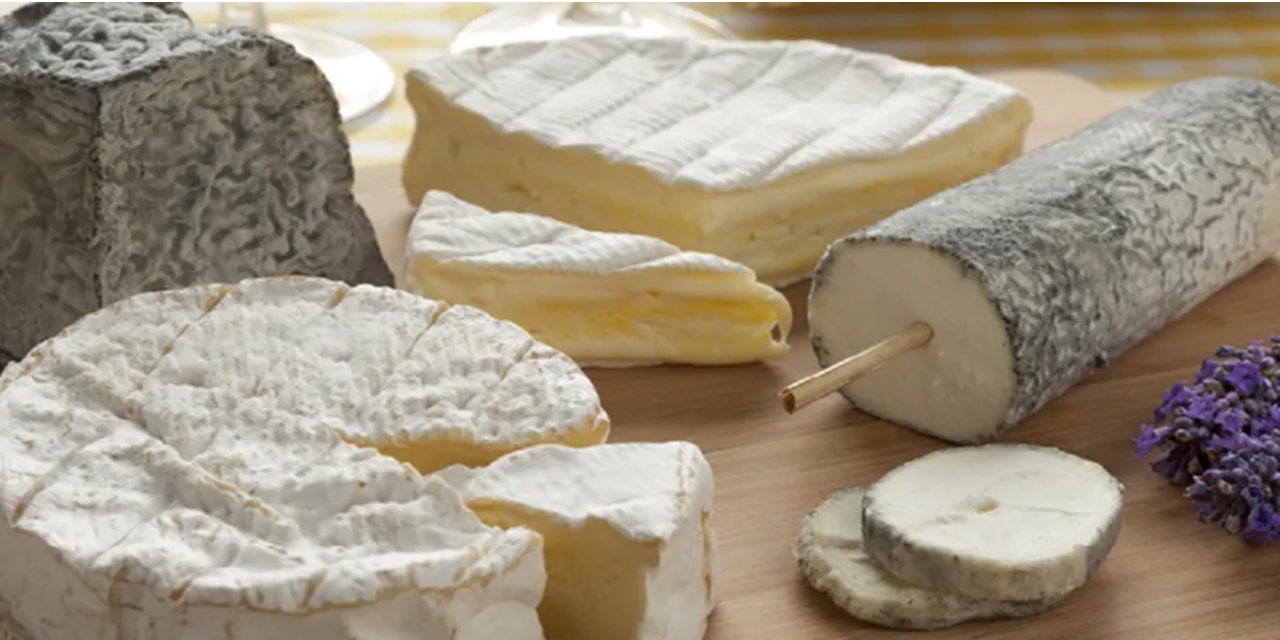
In a recent initiative to enhance food safety, the French Agency for Food, Environmental and Occupational Health and Safety (ANSES) has outlined several strategies aimed at reducing the risk of food poisoning associated with raw milk cheese. This move comes amid ongoing concerns regarding the safety of dairy products made from unpasteurized milk.
Focus on Safety Throughout the Supply Chain
ANSES emphasized that implementing safety measures at various stages—on the farm, during production, and at the consumer level—can significantly mitigate the risks of severe infections linked to raw milk cheeses. The agency’s recommendations are based on comprehensive assessments of current practices and potential vulnerabilities in the cheese-making process.
The agency identified key areas for improvement, including better hygiene practices during milking, improved handling of milk and cheese, and educational efforts directed towards consumers. By fostering awareness of safe consumption practices, ANSES aims to empower individuals to make informed choices regarding raw milk cheese.
Raw milk cheese, cherished for its rich flavors and artisanal qualities, has faced scrutiny due to its association with foodborne illnesses. According to data from ANSES, these cheeses can harbor pathogens that lead to serious health issues, particularly for vulnerable populations such as pregnant women, young children, and the elderly.
Collaborative Efforts for Enhanced Safety
To address these concerns, ANSES is collaborating with dairy producers, regulatory bodies, and public health organizations. This collaborative approach is essential in establishing a framework that ensures the safety of raw milk products while preserving the traditional methods of cheese-making that many consumers appreciate.
The agency’s recommendations will not only benefit producers by enhancing consumer confidence but also aim to reduce the economic burden associated with foodborne illnesses. With an estimated impact of over $15 billion annually on healthcare systems worldwide due to food-related illnesses, the importance of implementing these safety measures cannot be overstated.
As the conversation around food safety continues to evolve, ANSES’s proactive stance serves as a reminder of the importance of vigilance in food production and consumption. By focusing on comprehensive safety practices, the agency is taking a significant step towards safeguarding public health while supporting the artisan cheese industry.
In conclusion, the proposed measures by ANSES reflect a commitment to enhancing food safety and protecting consumers. With ongoing efforts to educate both producers and consumers, the hope is to foster a safer environment for the enjoyment of raw milk cheese, a staple in many culinary traditions.