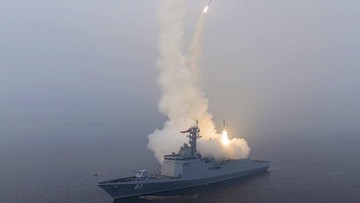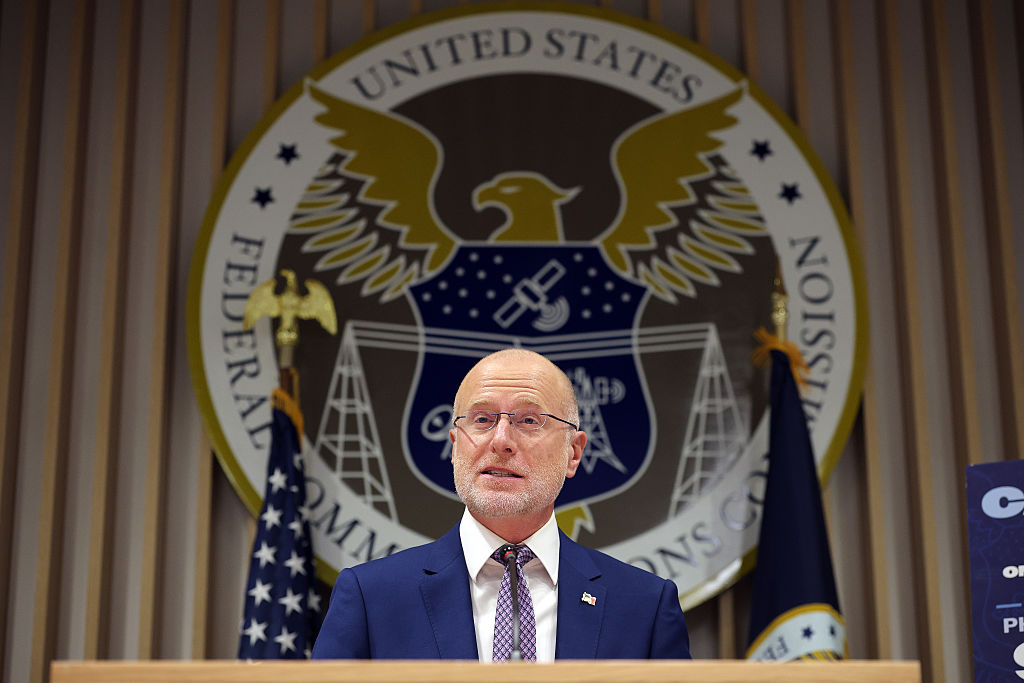
As the conflict between the United States and Iran progresses into its third week, the Federal Communications Commission (FCC) has issued a stern warning to broadcasters regarding their coverage of the war. FCC Chairman Brendan Carr emphasized the need for accurate reporting, stating that failure to do so may result in regulatory scrutiny impacting broadcast licenses.
Carr’s comments come in response to allegations made by former President Donald Trump, who has accused major media organizations of misleading the public about the U.S. military’s actions in Iran. During a series of posts on his social media platform, Truth Social, Trump criticized news outlets for what he described as “wrong” coverage and urged Americans to question the accuracy of reports regarding the military campaign.
Regulatory Implications for Broadcasters
In his remarks, Carr underscored the legal obligation of broadcasters to operate in the “public interest,” warning that those disseminating what he termed “inaccurate reporting” could face consequences during their license renewal process. He stated, “Broadcasters that are running hoaxes and news distortions have a chance now to correct course before their license renewals come up.”
The legal framework mandates that broadcasters must provide truthful and informative content to their audiences. Carr’s declaration raises concerns about the potential repercussions for outlets that do not align with these expectations.
This warning follows a trend of increasing scrutiny over media coverage, particularly during wartime. Press freedom advocates have expressed alarm that such statements from government officials may exert pressure on journalists and media organizations, potentially stifling independent reporting at a critical time.
Concerns Over Government Pressure
The controversy surrounding the FCC’s warning arrives amid broader discussions about the relationship between major media companies and federal regulators. Recent events involving CBS have ignited debates over editorial independence, particularly after an episode of “60 Minutes” faced internal scrutiny prior to airing. Meanwhile, late-night political commentary shows, such as those hosted by Stephen Colbert, have received backlash from conservative critics.
Critics argue that the combination of political pressure and regulatory oversight could create a chilling effect within newsrooms, especially as the current administration responds to unfavorable reporting about the war. Senator Brian Schatz voiced his concerns on social media, stating, “This is a clear directive to provide positive war coverage or else licenses may not be renewed.”
In defending the FCC’s position, Carr reiterated the necessity for broadcasters to provide accurate information to their viewers. This ongoing debate highlights the escalating tensions between the U.S. administration and major news organizations as the conflict in Iran continues and questions arise about how the war will be reported to the public.
As the situation develops, the implications for broadcasters and their responsibilities in wartime reporting remain at the forefront of national discourse. The outcome of this scrutiny could significantly impact the media landscape and the manner in which critical events are communicated to the public.