The United States Air Force (USAF) maintains a formidable strategic bomber fleet, comprising around 130 bombers managed under the Air Force Global Strike Command (AFGSC). This fleet is crucial for rapid deployment and operational readiness, ensuring that the USAF can respond swiftly to global threats. The fleet, while smaller in number than that of the Chinese Air Force, boasts superior technology and capability. This article delves into the four largest airbases in the U.S. that house these bombers, highlighting their unique facilities and strategic importance.
Whiteman Air Force Base: Home of the B-2 Spirit
Whiteman Air Force Base, located in Missouri, is the exclusive operational base for the B-2 Spirit stealth bomber, hosting a fleet of 19 aircraft. The base is home to the 509th Bomb Wing and the 131st Bomb Wing of the Missouri Air National Guard. As Whiteman prepares to integrate the next-generation B-21 Raider, projected personnel at the base will increase significantly. An Air Force report indicates an increase from 19,408 to approximately 20,429 personnel, along with a rise in annual airfield operations from 29,771 to 31,751.
The B-2 Spirit, known for its stealth capabilities, saw its first operational deployment in 1999 during Operation Allied Force. This historic mission involved long-range strikes from Missouri to Kosovo. As Whiteman transitions to accommodate the B-21 Raider, it marks a pivotal moment in U.S. military aviation history, reinforcing the base’s strategic role.
Ellsworth Air Force Base: Future Base for the B-21 Raider
Ellsworth Air Force Base, situated near Rapid City, South Dakota, houses the 28th Bomb Wing and is slated to be the first operational base for the B-21 Raider. It currently hosts two of the USAF’s three active B-1B Lancer squadrons: the 34th Bomb Squadron and the 37th Bomb Squadron. The base operates the largest training airspace in the continental United States, enabling extensive training for bomber crews.
A significant transformation valued at over $1.5 billion is underway to prepare Ellsworth for the new B-21 fleet, with the first aircraft scheduled to arrive in 2027. The base’s history as a key site for the Strategic Air Command during the Cold War underscores its ongoing importance in U.S. airpower.
Dyess Air Force Base: Key Strike and Airlift Hub
Located in Abilene, Texas, Dyess Air Force Base is a vital hub for both strike and airlift operations. The base operates approximately 33 B-1B Lancer bombers and serves as the only formal training unit for B-1B aircrews in the USAF. Dyess has also been selected as a primary operating base for the B-21 Raider.
The Air Force plans to reintroduce nuclear weapons capability to Dyess for the first time since the 1990s, with groundbreaking on a new mission planning facility anticipated in 2026. Dyess, which supports about 15,000 personnel, has made strides in sustainability, being the first Department of Defense installation powered entirely by renewable wind energy.
Barksdale Air Force Base: The B-52 Hub
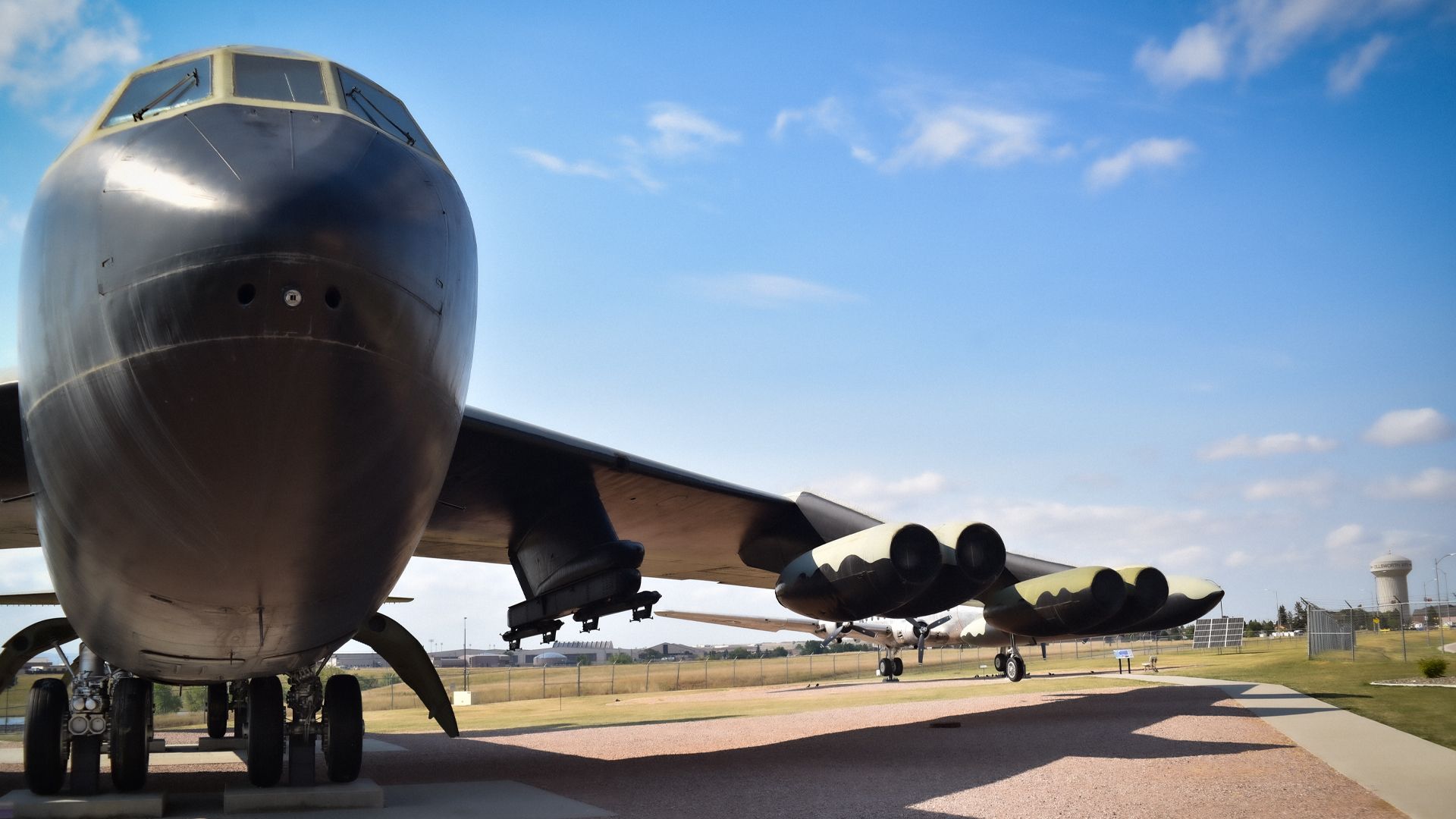
Barksdale Air Force Base in Louisiana stands out as the largest base for the B-52 Stratofortress, hosting around 44 B-52H bombers operated by the 2nd Bomb Wing, alongside 18 to 20 additional bombers from the 307th Bomb Wing. Barksdale serves as the permanent headquarters for AFGSC, overseeing all major bomber wings across the U.S.
The base is undergoing extensive upgrades to its B-52 fleet, incorporating new Rolls-Royce engines and digital cockpit systems. These enhancements aim to extend the operational lifespan of the B-52, which remains a critical component of U.S. military strategy. The B-52J variant is expected to continue flying into the 2050s.
As the USAF evolves its strategic capabilities, these four airbases will play crucial roles in maintaining American air superiority. The integration of advanced bombers like the B-21 Raider demonstrates the commitment to adapt and innovate in response to changing global security dynamics. The future of U.S. air power is poised to be defined by these pivotal installations.