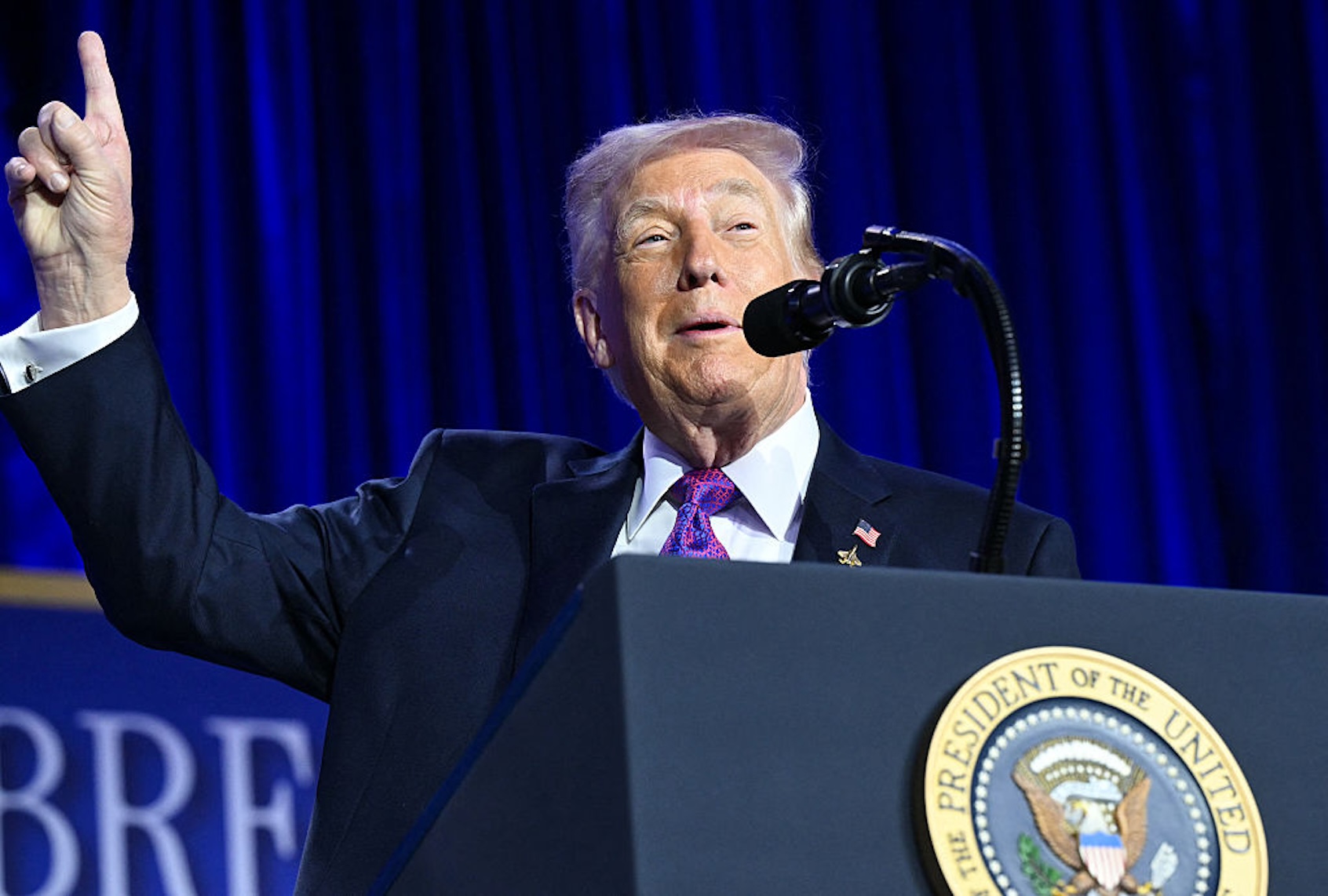
Former President Donald Trump has ignited a new wave of controversy following his recent posts on social media, particularly on his platform Truth Social. On March 15, 2024, Trump shared a video that not only rehashed debunked claims of widespread voter fraud during the 2020 presidential election but also included a racist clip depicting former President Barack Obama and his wife, Michelle Obama, in a derogatory manner. This has drawn widespread condemnation across the political spectrum.
The backlash intensified after Trump’s press secretary, Karoline Leavitt, initially defended the post. However, it was later deleted, prompting the White House to attribute the incident to an unnamed staff member. As criticisms mounted, Trump remained defiant, refusing to issue an apology. This incident highlights the ongoing influence Trump continues to wield over the Republican Party, even as many of his assertions lack credible evidence.
Trump’s fixation on grievances has been a defining characteristic of his political narrative. His rhetoric has consistently centered on perceived slights, be it the aftermath of the 2020 election or outdated tropes about government programs. Many within the Republican Party have embraced these narratives, often at the expense of their foundational principles, such as the Second Amendment and a commitment to limited government.
The impact of these grievances is evident in the reactions from various political figures. Tim Walz, Governor of Minnesota, recently attempted to label Trump and Vice President JD Vance as “weird,” a term that resonated with some Democrats. The “weird” label, initially intended to highlight the disconnect between Trump’s rhetoric and mainstream American values, was later downplayed by Walz’s campaign team. Despite this, many Democrats have continued to use the term to critique the Republican stance on various issues, including LGBTQ+ rights and educational policies.
Moreover, recent polling indicates a disconnect between Trump’s assertions and public sentiment. A significant majority of Americans, including many Republicans, believe the 2020 election was legitimate. This contrasts sharply with the narratives pushed by Trump and some Republican leaders, suggesting that their grievances may not resonate with the broader electorate.
As the 2024 presidential election approaches, the Democratic Party faces the challenge of reframing its messaging. While some strategists argue for a focus on economic issues like affordability and housing, others suggest that reclaiming the “weird” label could effectively differentiate mainstream Democratic values from the more extreme positions within the GOP.
In the wake of these developments, it remains crucial for both parties to engage with the electorate on substantive issues rather than getting mired in personal grievances. As the political landscape evolves, the ability to address the concerns of everyday Americans will be vital for both parties as they navigate the complexities of the upcoming election cycle.