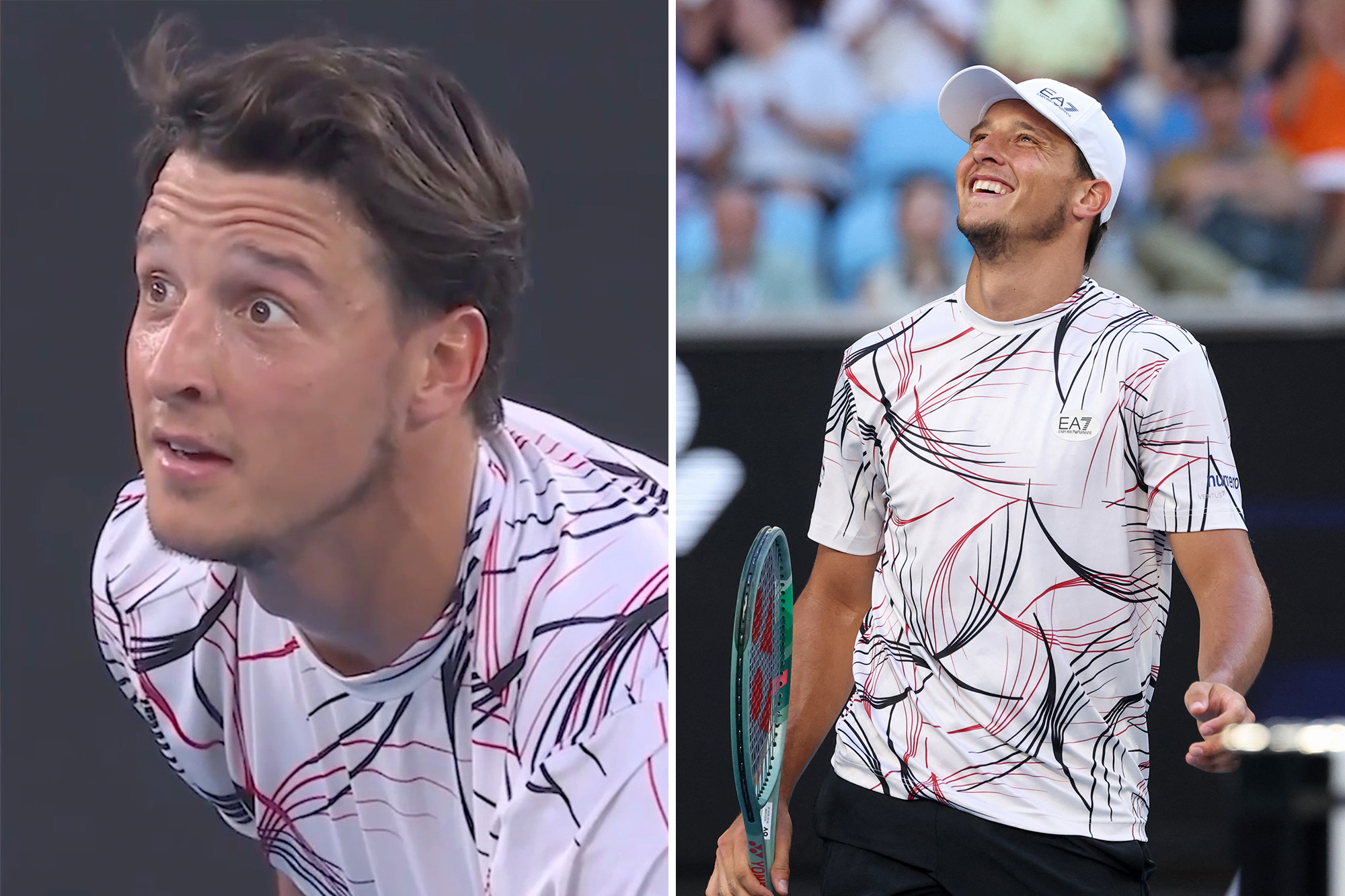
A match during the 2024 Australian Open took an unexpected turn when a baby’s cries interrupted play, drawing attention from fans and sparking a lively online debate. On March 5, Jannik Sinner triumphed over fellow Italian Luciano Darderi at the Margaret Court Arena in Melbourne. However, it was not just Sinner who challenged Darderi; a young spectator created an unexpected disturbance in a setting typically characterized by silence.
As Darderi prepared to serve during a critical tie-break, he was distracted by a loud wail from a nearby baby. In a clip shared on the official Australian Open TikTok page, Darderi managed to maintain his composure initially but was visibly distracted. After bouncing the ball several times and lifting it into the air, he had to catch it before it could hit his racquet as the baby cried out again. His incredulous expression evoked laughter and applause from the surrounding crowd.
The video of this moment quickly gained traction, amassing over two million views and igniting discussions about the appropriateness of bringing young children to sporting events known for their need for concentration and silence.
Critics voiced their opinions on social media, questioning the rationale behind bringing infants to such venues. One user remarked, “But why would you bring a baby to a tennis match?” Another added, “Don’t bring babies or toddlers to grand slams – they won’t remember it.” A third commentator opined, “Unpopular opinion: babies shouldn’t be allowed in tennis matches.”
Conversely, some comments turned their focus toward the players, suggesting that professional athletes should cultivate the ability to maintain focus despite distractions. “The fact that they can’t play through noise is mind-boggling,” one user stated, while another suggested, “Just hit the ball and deal with it or wear earplugs.” These comments highlight a divide in perspectives on player focus and crowd etiquette.
According to the official rules of the Australian Open, children and babies are permitted to attend matches. Notably, children aged two and under can enter for free, provided they do not occupy a reserved seat, although proof of age is required. The tournament also offers children’s tickets for those aged between three and eleven, as well as youth tickets for teens aged between twelve and seventeen.
Crowd etiquette at the event stipulates that spectators remain silent during play and between serves. Disruptive behavior can result in removal from the venue, underscoring the importance of maintaining an atmosphere conducive to high-level competition.
A spokesperson for Tennis Australia confirmed that the tournament welcomes fans of all ages, including young children. “The Australian Open is open to everyone, including babies and children,” the spokesperson stated. “We ask that fans treat the players with respect and follow instructions from the chair umpires.”
As the debate continues, this incident raises questions about balancing family-friendly environments with the traditions of sports that require intense concentration and respect for the players.