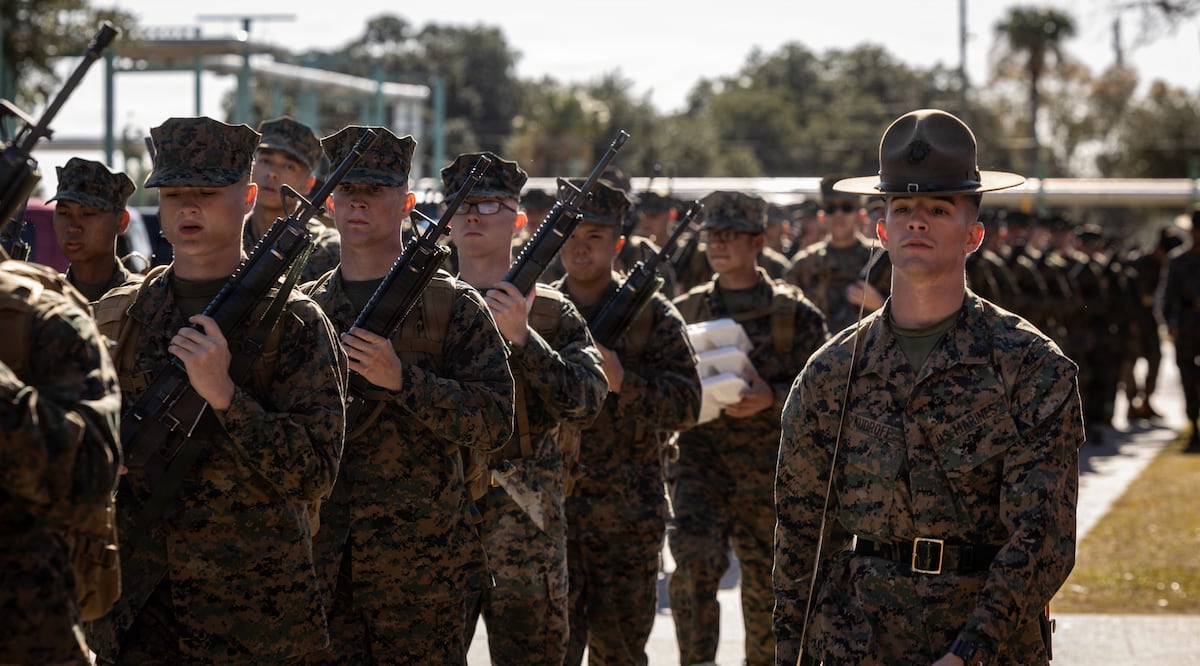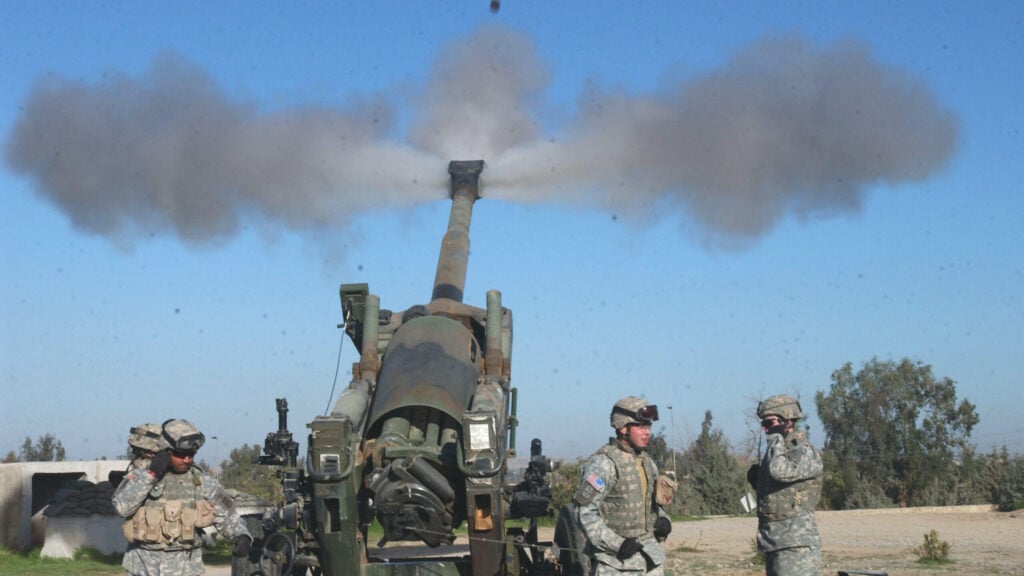
In a significant move that has drawn international attention, China showcased its nuclear capabilities during military exercises in March 2025. These displays, which took place in the South China Sea, have raised concerns among neighboring countries and sparked discussions about security dynamics in the Indo-Pacific region.
The military exercises involved advanced missile systems and strategic bombers, demonstrating China’s growing military prowess. According to the official statement from the Chinese Ministry of Defense, the drills aimed to enhance the country’s operational readiness and deter potential threats. This announcement has put regional players, including the United States, on high alert.
Regional Reactions and Concerns
The reaction from the international community has been swift. Nations such as Japan and Australia expressed deep concerns over China’s military activities. Japanese Prime Minister Fumio Kishida condemned the drills, emphasizing Japan’s commitment to regional stability. In response, Australia reaffirmed its defense cooperation with the United States, highlighting the importance of a united front in the face of increasing threats.
Furthermore, tensions escalated following a series of confrontations between Chinese and Taiwanese military forces. In September 2025, Taiwanese officials reported multiple incursions by Chinese aircraft into its air defense identification zone (ADIZ). This aggressive posture from Beijing has prompted Taiwan to bolster its defenses and seek greater support from allies, particularly from the United States.
Economic Implications and Strategic Alliances
The ongoing tensions in the Indo-Pacific are not only military but also economic. The Association of Southeast Asian Nations (ASEAN) has been closely monitoring developments, as stability in the region is crucial for trade and investment. According to an ASEAN report, disruptions in the South China Sea could lead to losses exceeding $2 trillion annually for member states reliant on shipping routes.
Moreover, the United States has reiterated its commitment to a free and open Indo-Pacific. In response to China’s assertive actions, U.S. Secretary of State Antony Blinken announced a series of joint military exercises with allies, including South Korea and Japan, aimed at enhancing interoperability and readiness against regional threats.
Despite the increasing military posturing, diplomatic efforts continue. The United Nations called for dialogue among nations in the region to mitigate tensions. However, the effectiveness of these discussions remains uncertain as nations grapple with rising nationalism and security concerns.
In summary, China’s recent nuclear displays and military activities have heightened tensions in the Indo-Pacific, prompting swift reactions from neighboring countries and the international community. With economic implications at stake, the situation remains fluid as regional powers navigate the complexities of security and diplomacy in this pivotal area.