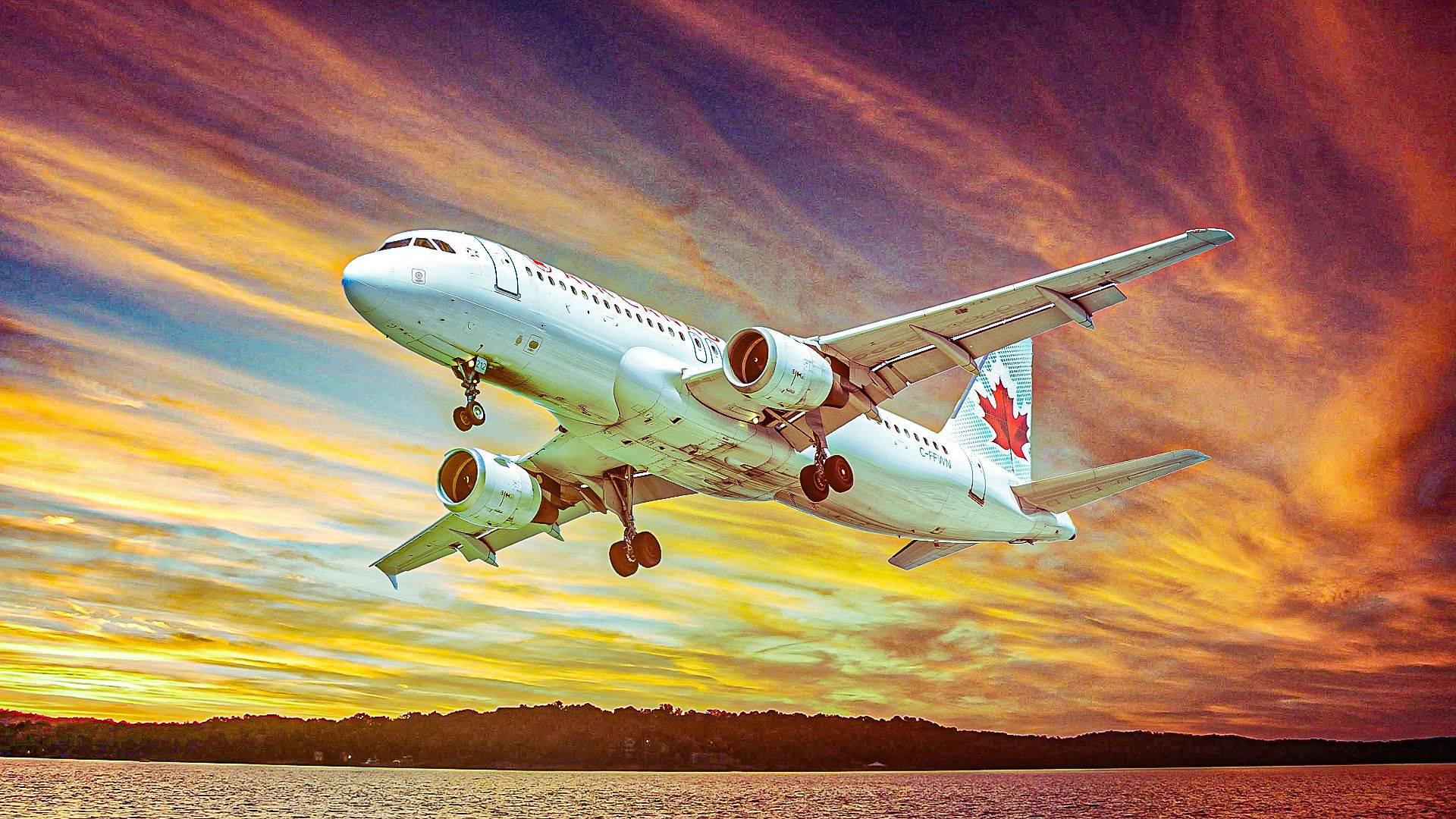
Canadian airlines are significantly reducing their flight capacity to the United States, cutting approximately 10% for the first quarter of 2026 compared to the same period in 2025. This reduction, reported by The Globe and Mail, reflects a notable shift in travel demand driven by increasing anti-American sentiment among Canadian travelers.
Capacity Cuts and Market Impact
The cutback amounts to a loss of about 450,000 seats and corresponds to a 4% reduction in overall international flight capacity from Canada. This translates to a decrease of around 5,000 seats daily. Popular leisure destinations, particularly Orlando, Miami, and Las Vegas, are seeing the most significant declines, with Canadian airlines reallocating resources to other markets.
Air Canada has reduced its US capacity by approximately 7%, a relatively moderate adjustment. This full-service airline typically attracts more business travelers, who are less sensitive to political fluctuations. In contrast, WestJet, a hybrid carrier, has slashed its capacity by nearly 20%, while Flair Airlines, which focuses on budget-conscious leisure travelers, has made drastic cuts of almost 60%.
Shifting Demand Towards Other Destinations
As Canadian airlines pull back from US routes, there is a noticeable uptick in demand for travel to other regions, particularly Latin America. Countries like Costa Rica and popular Mexican destinations such as Cancun are becoming increasingly attractive to Canadian travelers. The shift is not limited to international destinations; domestic travel is also gaining traction, despite a lack of warm-weather equivalents to US hotspots.
The short distances involved in US flights allow airlines to efficiently reassign aircraft and crews to these emerging markets. As a result, ticket prices to the US may rise due to reduced capacity, while prices for flights to Latin America and domestic routes are likely to stabilize or decrease. This trend may enhance accessibility to these alternative destinations for travelers seeking options away from the US.
The broader airline landscape reflects changing preferences among North American travelers. While US legacy carriers have seen robust performance, international travel has surged, contrasting with softer domestic travel growth. Factors such as economic uncertainty and shifting political dynamics have contributed to a decline in US-bound tourism from Canada, reversing trends that traditionally favored cross-border travel.
As Canadian airlines adjust their services, the overall travel market is evolving. The anticipated changes in capacity and demand illustrate a complex interplay of economic, political, and social factors influencing the aviation industry. With indications that these trends may persist, further adjustments in flight offerings could be expected as airlines navigate this new travel environment.