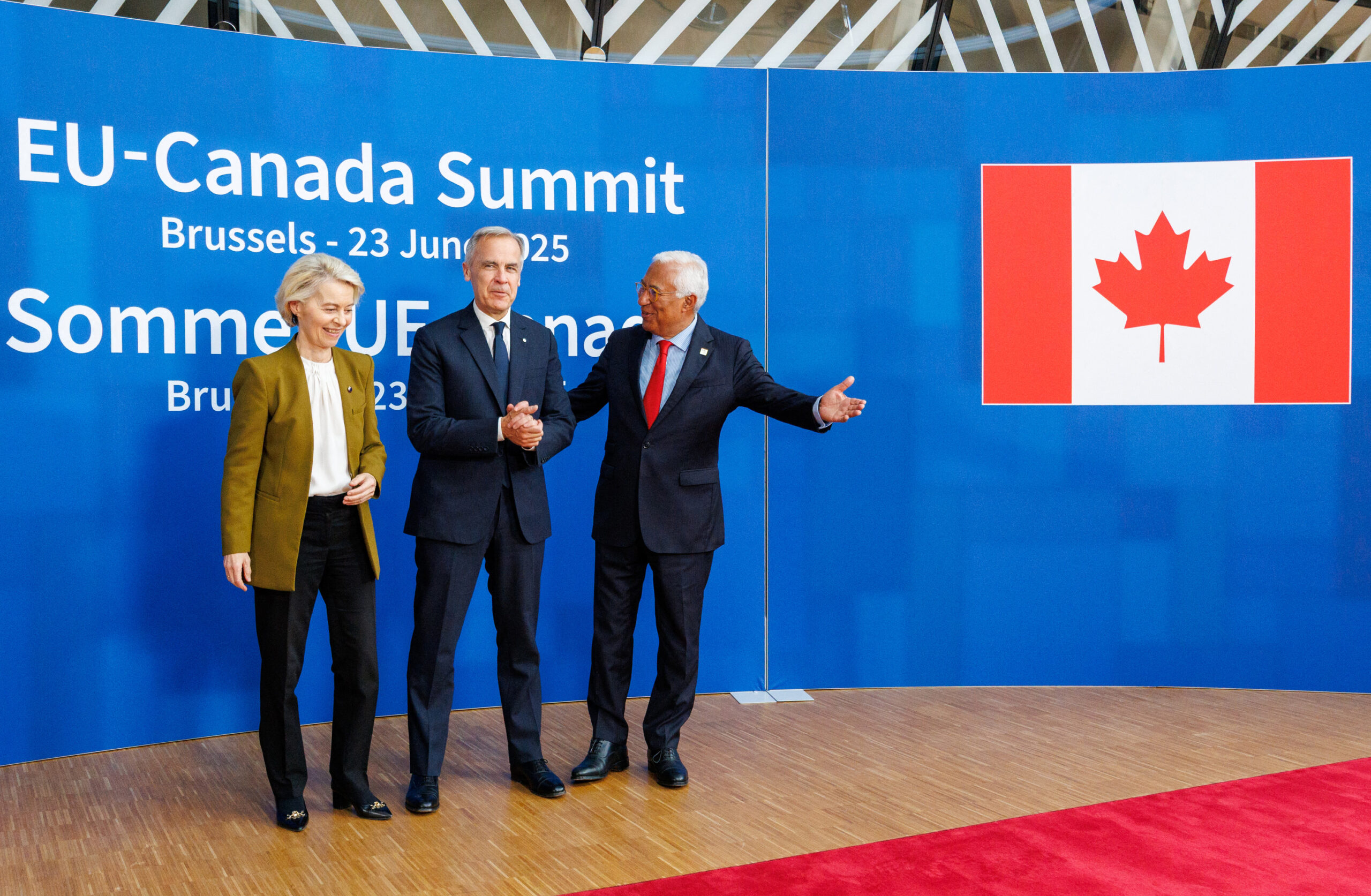
Canada has officially joined the European Union’s flagship rearmament initiative, known as Security Action for Europe (SAFE), making it the first non-EU country to participate. This partnership, announced by Canadian Prime Minister Mark Carney, opens the door for Ottawa to access EU funds aimed at enhancing military readiness through joint procurement efforts. The SAFE program, which has a budget of €150 billion, is expected to provide significant financial support for Canada’s upcoming fighter jet and submarine acquisitions.
In a statement, Carney emphasized that involvement in SAFE will generate “billions of dollars in potential defense opportunities for Canadian businesses.” He also noted that this initiative will attract new suppliers for the Canadian Armed Forces and create substantial opportunities for domestic manufacturers to develop and export Canadian-made military capabilities.
Strategic Military Procurement Plans
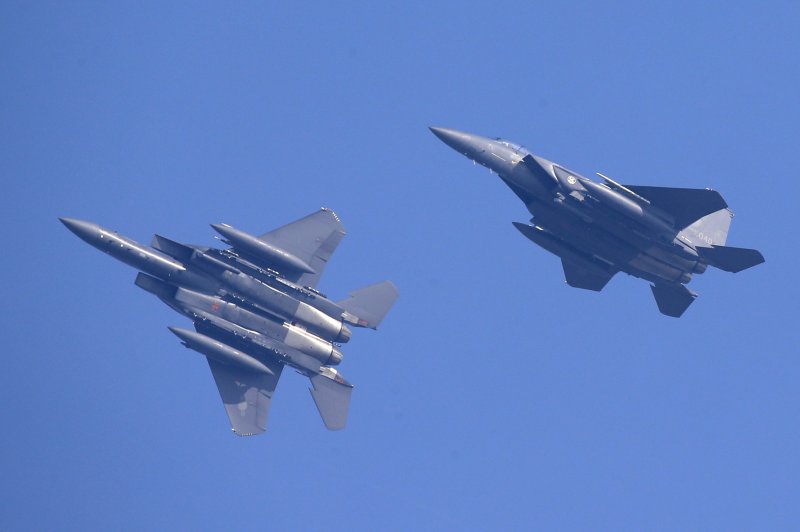
Canada is currently reviewing its options for procuring next-generation fighter jets. While the government has allocated funds for an initial purchase of 16 F-35 aircraft, it is also considering alternatives, including the Swedish-made Gripen fighter. The decision is part of a broader strategy to modernize Canada’s military capabilities amid evolving global security challenges.
The specifics of Canada’s participation in SAFE are still being finalized. Ottawa and the EU are in the process of ratifying a bilateral agreement that aims to streamline the procurement process, potentially exempting Canada from certain program regulations. According to SAFE guidelines, projects must ensure that no more than 35% of their component costs come from outside the EU, the European Economic Area, or Ukraine to qualify for funding. Nonetheless, countries can enhance their access through financial contributions, the details of which are yet to be disclosed for Canada.
The negotiation landscape has proven complex, as seen with the recent discussions regarding the United Kingdom’s entry into SAFE. The UK’s efforts were hampered by disagreements over financial commitments, where the EU proposed contributions ranging from €4 billion to €6.5 billion, while the UK offered only €200 million to €300 million.
Potential Collaborations and Opportunities
The implications of this partnership extend beyond fighter jets. Roger Hilton, a defense fellow at the Bratislava-based think tank GLOBSEC, highlighted that SAFE funding could also support Canada’s acquisition of conventional submarines and maritime domain awareness systems. There is an expectation that Canada will explore SAFE options for additional platforms including drones, anti-submarine warfare systems, and secure satellite communications.
SAFE projects require collaboration with at least two partners, typically involving member states or a combination of a member country with Ukraine or a European Free Trade Association (EFTA) nation. Hilton indicated that Canada is likely to seek partnerships with European nations that align ideologically and strategically, particularly those focused on Arctic security and North Atlantic defense.
“It is very probable that Canada will gravitate towards countries with robust aerospace and naval industries,” Hilton stated, pointing to potential collaborations with France, Germany, Italy, Sweden, and Spain. These countries not only have the necessary industrial capacity but also share strategic interests that complement Canada’s defense objectives.
As discussions continue, the outcomes of Canada’s engagement with the SAFE initiative will play a crucial role in shaping its military procurement strategy and enhancing its defense capabilities in a rapidly changing global landscape.