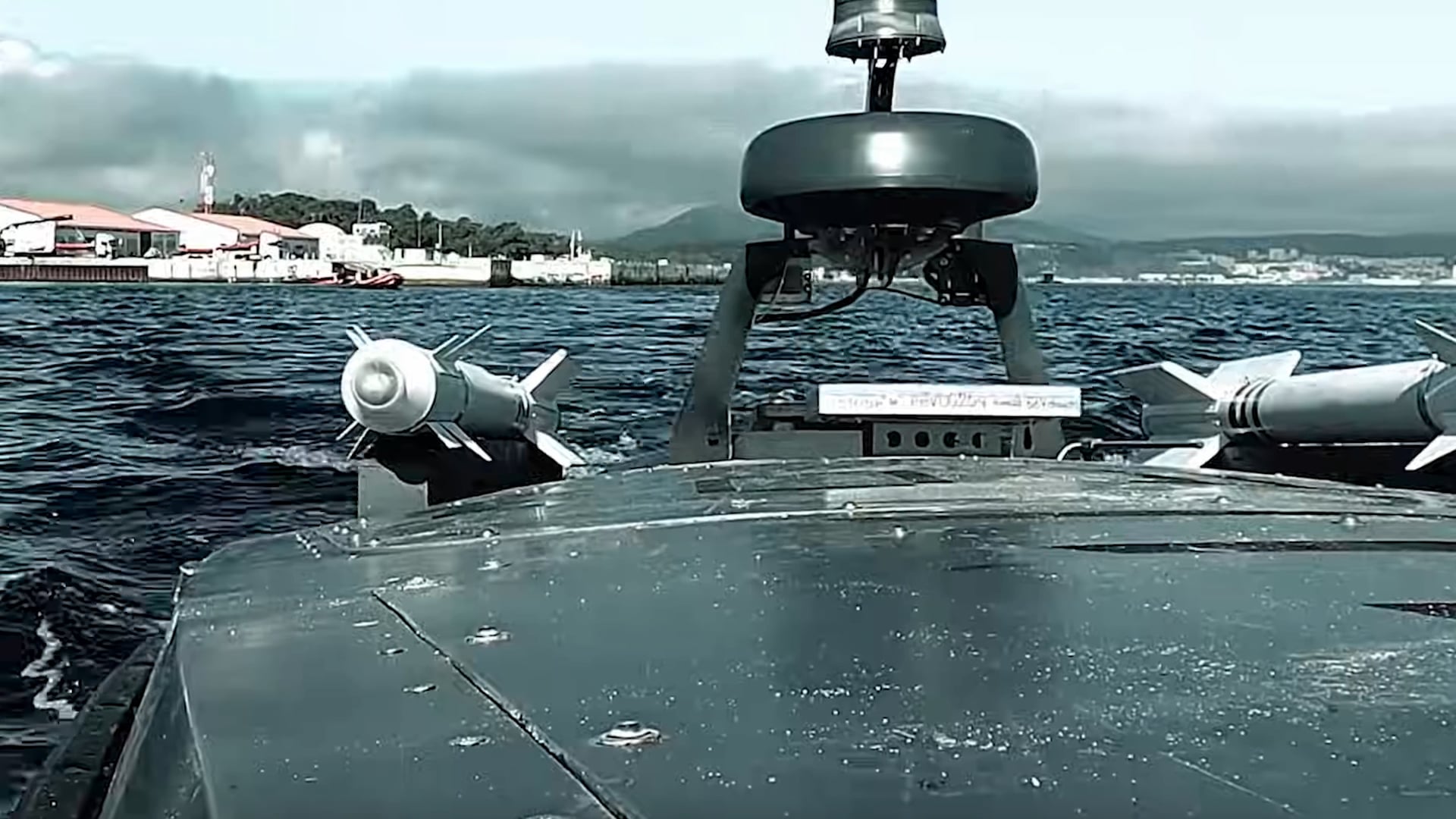
The integration of autonomous boats and drone swarms is poised to revolutionize naval warfare. At the recent World Defense Show, held in 2023, Stan Nowak, Vice President of Marketing at Red Cat, outlined the potential of these technologies in enhancing military capabilities. The discussion centered on how these autonomous maritime vehicles can work in tandem to improve operational efficiency and effectiveness in naval operations.
As military forces around the world increasingly look to modernize their fleets, the use of drone swarms and autonomous vessels emerges as a pivotal element in future naval strategies. Nowak emphasized that the combination of autonomous boats and drones could significantly alter how naval engagements are conducted. By leveraging advanced technologies, naval forces can achieve enhanced surveillance, reconnaissance, and combat capabilities.
Future Prospects of Autonomous Naval Systems
The future of naval warfare may hinge on the successful deployment of autonomous maritime vehicles. According to Nowak, these systems reduce the risk to human life and can operate in challenging environments that may be too dangerous for traditional manned vessels. They possess the ability to conduct missions ranging from surveillance to direct combat, effectively serving as force multipliers.
Nowak also highlighted that drone swarms, which consist of multiple drones operating collectively, can provide unparalleled advantages in terms of situational awareness and tactical flexibility. By utilizing artificial intelligence, these swarms can adapt to changing battlefield conditions, making them invaluable assets in modern military operations.
Technological Advancements and Military Applications
The advancements in technology that underpin these autonomous systems are rapid and profound. With ongoing research and development, military organizations are investing heavily in achieving effective integration of these technologies into existing naval operations. The collaboration between autonomous boats and drones allows for enhanced coordination and strategic planning, ultimately leading to improved mission outcomes.
The use of Red Cat‘s innovations exemplifies how commercial advancements are finding their way into military applications. The potential for cost savings and increased operational efficiency makes these technologies attractive to defense budgets worldwide. By utilizing autonomous maritime vehicles, navies can enhance their capabilities without the proportional increase in personnel costs.
As discussions about the future of naval warfare continue, the emphasis on autonomous maritime vehicles represents a significant shift in military strategy. As nations explore these technological frontiers, the implications for global security and naval engagement strategies will be profound. The integration of such innovative systems marks a new era for military operations, one that prioritizes efficiency, adaptability, and the safety of personnel.
In summary, the advancements in autonomous boats and drone swarms are set to redefine naval warfare, offering new solutions to age-old challenges. As technology evolves, the collaboration between military and commercial sectors will likely shape the future of maritime operations, underscoring a critical shift towards autonomy in defense strategies.