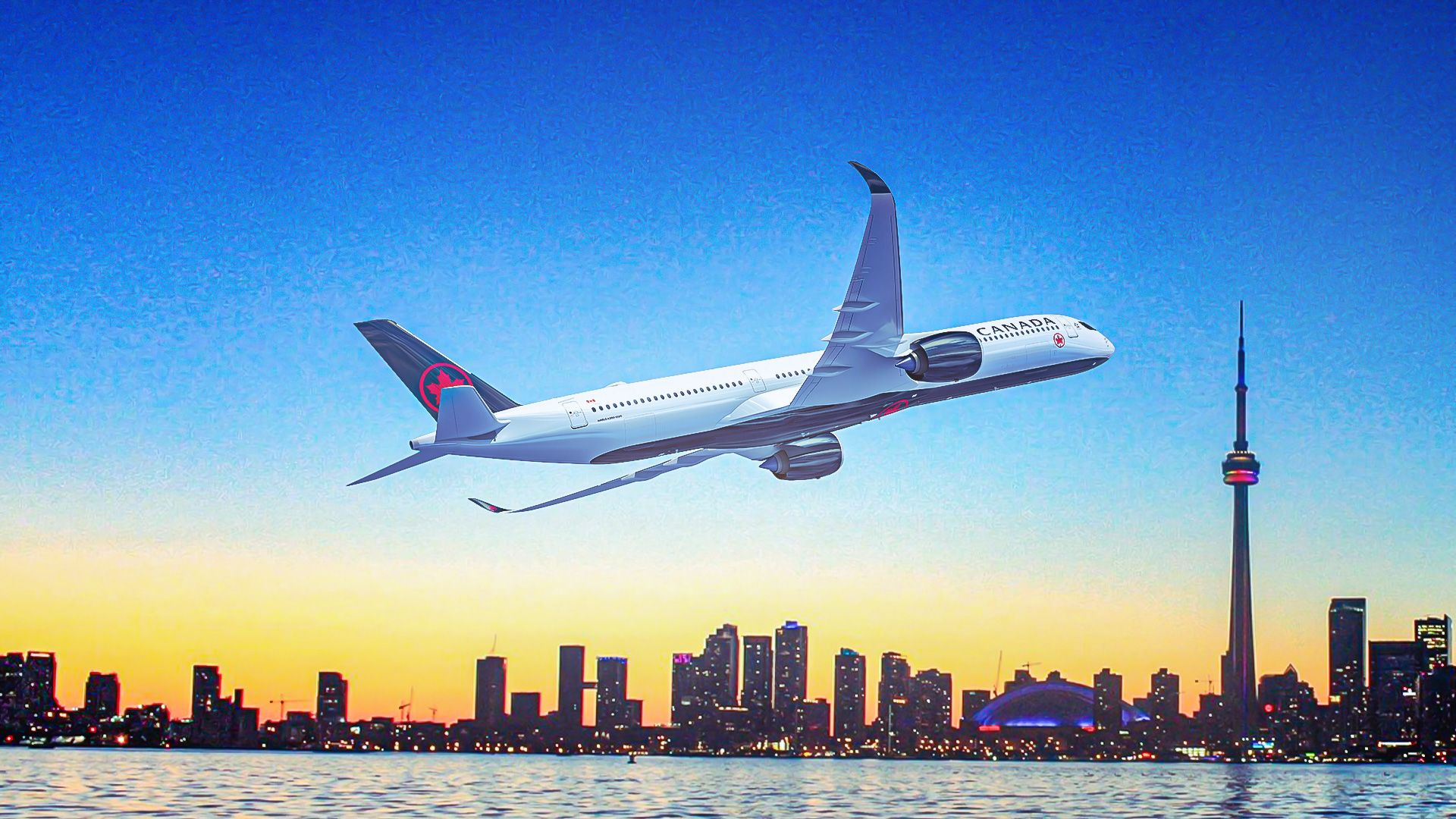
Air Canada has taken a significant step in enhancing its long-haul operations by placing a firm order for eight Airbus A350-1000 aircraft. This decision marks a strategic move towards modernizing its fleet and improving operational efficiency, with the new aircraft expected to enter service in 2030. The airline aims to strengthen its competitive position on long-distance routes and improve the overall passenger experience.
The Airbus A350-1000 is designed as a long-range, fuel-efficient widebody aircraft, featuring advanced aerodynamics and the latest Rolls-Royce Trent XWB-97 engines. With a maximum range of approximately 10,300 miles (16,600 km), it enables airlines to operate non-stop flights to destinations that were previously impractical. This capability is particularly beneficial for Air Canada, which has major hubs located far from high-growth markets in Asia, Australia, and South Asia.
Transforming Long-Haul Flight Opportunities
Air Canada’s hub locations—Toronto Pearson International Airport (YYZ), Montreal Trudeau International Airport (YUL), and Vancouver International Airport (YVR)—pose challenges in reaching key international markets. However, the A350-1000’s extensive range allows the airline to explore nonstop routes to cities such as Sydney, Mumbai, Manila, and Singapore, efficiently connecting these regions without the need for stopovers.
Eliminating layovers can significantly enhance the economics of these routes by reducing operational costs and simplifying scheduling, thereby appealing to both business and leisure travelers. This flexibility enables Air Canada to test and sustain routes that might have previously been considered unfeasible.
Fuel Efficiency and Environmental Sustainability
The Airbus A350-1000 offers a 25% reduction in fuel consumption and emissions compared to older aircraft models, a vital consideration as fuel costs represent one of the largest expenses for airlines. This efficiency not only protects profit margins on long-haul routes but also diminishes the carbon footprint associated with each flight.
Air Canada’s Executive Vice President and Chief Commercial Officer, Mark Galardo, expressed enthusiasm about the deal, stating, “Air Canada’s continued global ambitions are solidified by the selection of the Airbus A350-1000, a natural next step in the evolution of our fleet.” He emphasized that the aircraft would enhance long-haul opportunities and improve customer connections globally.
Airbus’ Executive Vice President of Commercial Aircraft Sales, Benoit de Saint-Exupéry, reinforced this sentiment by highlighting the A350-1000 as the most technologically advanced widebody on the market, aligning with Air Canada’s commitment to customer satisfaction and operational excellence.
In addition to fuel efficiency, the A350-1000 is capable of operating with up to 50% Sustainable Aviation Fuel (SAF) today, with aspirations for 100% SAF compatibility by 2030. This aligns with broader industry goals regarding decarbonization and sustainability, making the aircraft a fitting choice for future operations.
Enhanced Passenger Comfort
As competition in long-haul aviation intensifies, passenger comfort is paramount. The A350-1000 features an innovative cabin design that minimizes noise and vibration, maintains lower effective cabin altitudes, and enhances humidity levels, all contributing to a more pleasant flying experience.
Air Canada plans to implement next-generation cabin standards on these aircraft, including upgraded entertainment and connectivity systems. While specific designs have not yet been disclosed, features such as larger windows, mood lighting, and ergonomically designed seating are expected to be part of the new offerings.
Carriers like Cathay Pacific, an established operator of the A350-1000, have demonstrated the potential for premium seating configurations, providing direct aisle access and privacy in business class while ensuring comfort across all travel classes.
Air Canada’s decision to add the A350-1000 to its fleet is a pivotal part of its long-term strategy, allowing the airline to phase out older models such as the Airbus A330-300 and Boeing 777-300ER. This transition will enable the airline to enhance its operational efficiency and service offerings, catering to the evolving preferences of global travelers.
With this order, Air Canada not only strengthens its relationship with Airbus but also positions itself to adapt to future market demands. By integrating a modern, mixed fleet, the airline can optimize its operations across various routes, ultimately enhancing the travel experience while maintaining competitiveness in a rapidly changing aviation landscape.