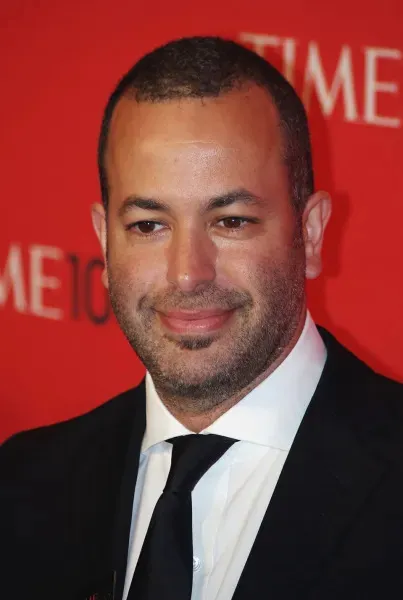
UPDATE: Virologist Nathan Wolfe, a former human biology professor, will conclude his visiting appointment at Stanford University effective Monday, following revelations of his connections to the late convicted sex offender Jeffrey Epstein. This decision comes as a direct response to a recent investigation highlighting Wolfe’s controversial relationship with Epstein.
The Stanford Daily reported last week that Wolfe had invited Epstein to meet “a couple of hottie interns” and attempted to involve him as a donor for his research on sexual behavior, which included efforts to develop a “female viagra” based on what Wolfe referred to as their “horny virus hypothesis.” The implications of these revelations have raised serious ethical questions regarding Wolfe’s professional conduct.
Since the report, Wolfe has issued a statement denying any wrongdoing. In his comments to the Stanford Daily, he expressed regret over his association with Epstein, stating, “I never witnessed or participated in any misconduct or inappropriate behavior.”
Wolfe, who previously held the title of Lorey I. Lokey Visiting Professor of Human Biology, saw his tenure in the bioengineering department at Stanford, which began last year, come to an abrupt halt. His LinkedIn profile now reflects a shift in his status, listing him as a “Visiting Scholar” at Stanford from 2023 until February 2026.
The University confirmed that Wolfe’s appointment would not be renewed, but did not provide further details about his current affiliations. As this story develops, the academic community is left to ponder the implications of Wolfe’s past connections and the fallout from the investigation into Epstein’s extensive network.
The fallout from this investigation is significant, raising questions about ethics in academia and the responsibilities of researchers when it comes to their associations. Wolfe’s case serves as a reminder of the ongoing conversations surrounding accountability and integrity in scientific research.
What happens next remains to be seen as Wolfe’s future in academia hangs in the balance. For now, this situation is a critical reminder of the broader issues at play in the intersection of science, ethics, and personal relationships.