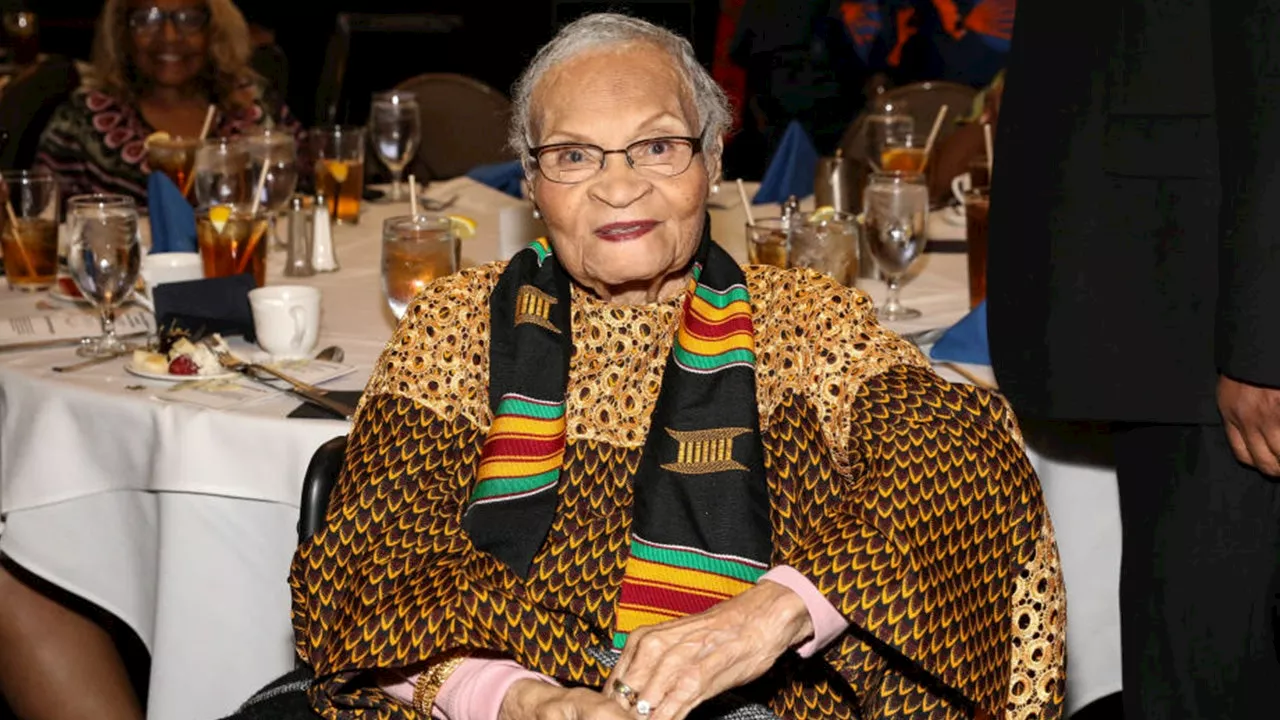
BREAKING: Viola Ford Fletcher, the oldest living survivor of the Tulsa Race Massacre, has died at the age of 111. Her grandson, Ike Howard, confirmed her passing occurred on Monday at a hospital in Tulsa, Oklahoma, surrounded by family.
Fletcher’s death marks a poignant moment in history as she was one of the last firsthand witnesses to the horrific events that unfolded in the Greenwood district, known as Black Wall Street, on May 31, 1921. During this two-day attack, a white mob, fueled by a sensationalized newspaper report alleging a Black man assaulted a white woman, unleashed violence that led to the deaths of hundreds and the destruction of over 30 city blocks.
In her memoir, “Don’t Let Them Bury My Story,” published in 2023, Fletcher vividly recounted the trauma she experienced as a child during the massacre. “I could never forget the charred remains of our once-thriving community,” she wrote, detailing the chaos and horror that surrounded her as her family fled the violence.
Tulsa Mayor Monroe Nichols expressed deep sorrow over her death, stating, “Mother Fletcher endured more than anyone should, yet she spent her life lighting a path forward with purpose.” His words resonate as the city grapples with the painful legacy of the massacre, which remained largely unacknowledged for decades.
In recent years, Fletcher had been a vocal advocate for justice and reparations for the victims of the massacre. She testified before Congress in 2021, alongside her brother Hughes Van Ellis and fellow survivor Lessie Benningfield Randle, in a lawsuit seeking reparations. Unfortunately, the Oklahoma Supreme Court dismissed their case in June 2024, ruling that their grievances did not fit within the state’s public nuisance statute.
Fletcher’s commitment to ensuring the atrocities of the massacre are not forgotten was evident in her statement with Randle: “For as long as we remain in this lifetime, we will continue to shine a light on one of the darkest days in American history.”
The recent Justice Department review, launched under the Emmett Till Unsolved Civil Rights Crime Act, acknowledged the massacre’s scope and concluded that federal prosecution might have been viable a century ago, but current avenues for criminal cases have expired.
As the community mourns the loss of Viola Ford Fletcher, her legacy will undoubtedly continue to inspire discussions surrounding justice and remembrance for the victims of the Tulsa Race Massacre. Her passing serves as a somber reminder of the ongoing fight for recognition and reparations for those affected by this tragic chapter in American history.
Stay tuned for updates on this developing story and the impact of Fletcher’s death on the ongoing discussions regarding reparations and historical acknowledgment.