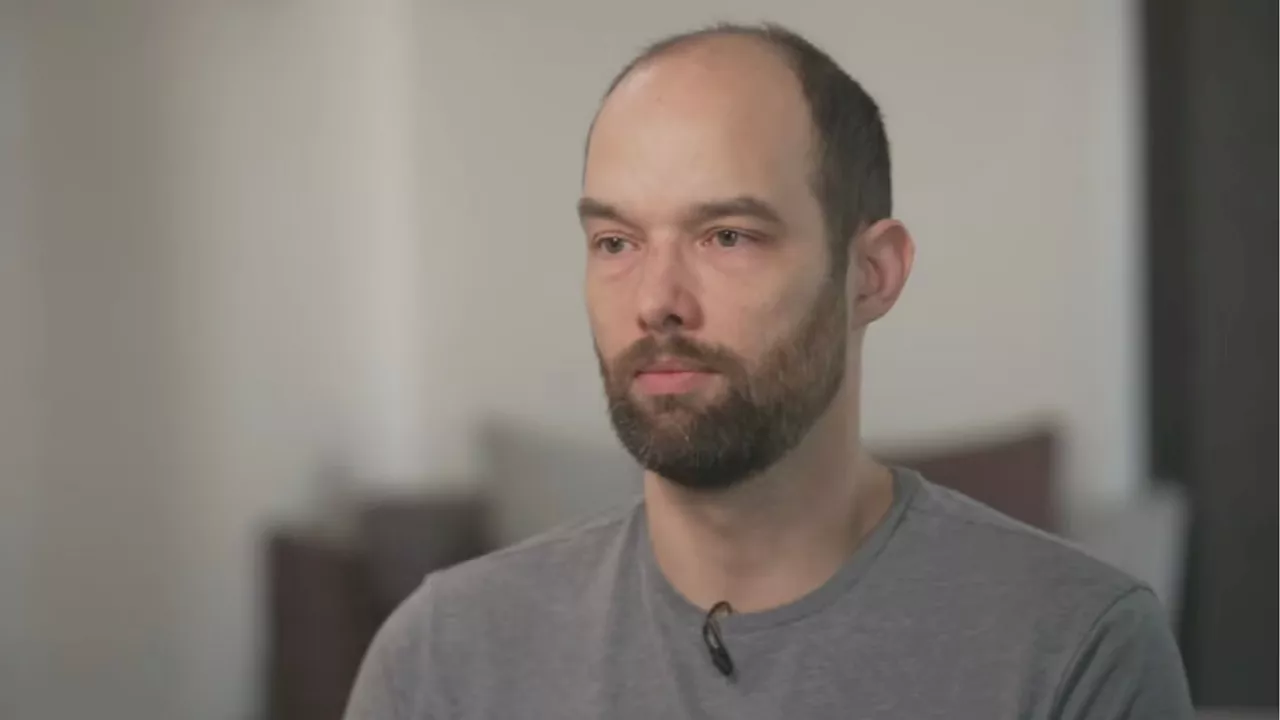
An Army veteran and Purple Heart recipient, William Vermie, claims that his rights were violated during an arrest by U.S. Immigration and Customs Enforcement (ICE) agents in Minneapolis on January 13, 2023. Vermie alleges that he was tackled by agents while observing a separate ICE operation and subsequently detained for eight hours without access to legal representation or his family.
Vermie, 39, described his experience during an interview with ABC News, detailing how he was taken into custody while standing on a public sidewalk, where he witnessed ICE agents detaining two young men. He was then transported to the Bishop Henry Whipple Federal Building in Minneapolis and placed in a cell. According to a statement from the Department of Homeland Security (DHS), Vermie was arrested for allegedly assaulting a law enforcement officer.
“They read me my rights and asked if I wanted to answer questions without a lawyer. I said no,” Vermie stated. “They told me I would have an opportunity to contact one later.” Despite this assurance, he claims he was never allowed to speak with an attorney during his detention.
Multiple attorneys have expressed concerns about similar rights violations occurring at the Whipple Federal Building. They allege that many detainees have been denied their constitutional right to consult with legal counsel. Four legal representatives informed ABC News that they had been barred from accessing their clients, contravening the Fifth and Sixth Amendments, which guarantee due process and the right to counsel.
The DHS has denied any allegations of constitutional violations, asserting that all detainees have opportunities to communicate with family and legal representatives. A spokesperson stated, “This individual was arrested for assaulting a law enforcement officer, a felony and a federal crime.” They emphasized the challenges faced by law enforcement, citing a staggering 1,347% increase in assaults against officers.
Vermie, who served as an infantryman from September 2004 to February 2009 and was wounded in combat, explained that he is speaking out because he feels a civic duty to advocate for others. “If I can’t advocate for people who need it, then who else is going to do it?” he asked, highlighting his privilege as a combat veteran.
The circumstances surrounding Vermie’s arrest remain unclear. Video footage shows him standing in the path of ICE agents, who proceeded to tackle him to the ground. Vermie contends he did not impede their operation and believes the agents’ actions were illegal. He refuted the DHS claim that he assaulted an agent.
During his detention, Vermie learned that his wife had attempted to contact an attorney on his behalf. His attorney reported that after being notified by Vermie’s family, he arrived at the Whipple Building and waited three hours to see his client, but was denied entry despite multiple requests. The attorney stated, “My client was denied the ability to contact anyone while held in ICE custody. Had he been afforded access, he would have immediately called his wife.”
Vermie’s arrest occurred in a tense climate, with heightened immigration enforcement actions in Minneapolis. Shortly before his encounter with ICE, he noted the presence of neighbors signaling the arrival of agents. “I went outside to observe the ICE agents as they were bringing out those two young men,” he recounted. “Then they started moving toward me, and I was tackled to the ground.”
Despite the distressing experience, Vermie has expressed his intention to continue protesting ICE’s actions, although he admits he may not approach as closely as before. He voiced concern for his community amid fears of increased enforcement measures. “A lot of people are uneasy,” he said, referencing threats of military involvement and intensified federal operations.
As part of ICE’s ongoing operations, the DHS reported over 3,000 arrests have been made under Operation Metro Surge, which includes a significant number of U.S. citizens accused of various offenses related to obstructing law enforcement.
The unfolding situation surrounding Vermie’s arrest raises critical questions about the treatment of individuals in immigration enforcement scenarios and the adherence to constitutional rights. As community sentiments fluctuate amid these enforcement actions, Vermie’s case may serve as a pivotal example of the complexities at play in U.S. immigration policy and law enforcement practices.