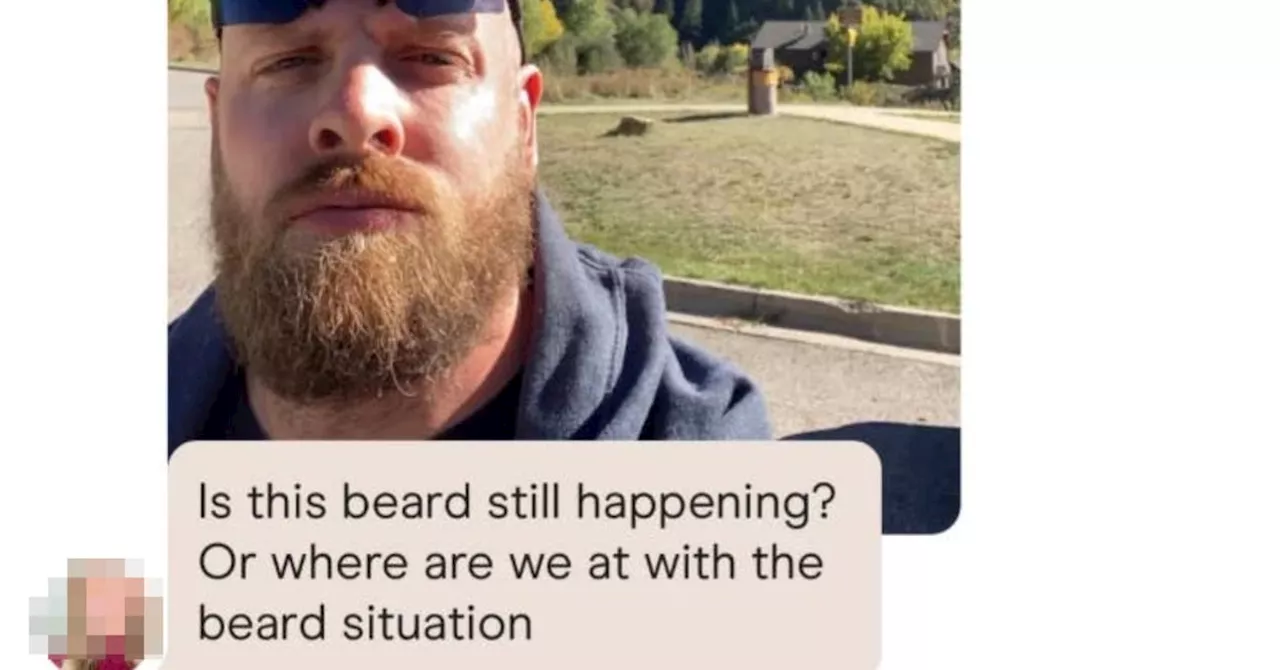
URGENT UPDATE: A viral conversation on social media has ignited widespread discussion about the controversial dating behavior known as negging. Users are calling out an incident where a woman responded negatively to a man discussing his 50/50 custody of his son, labeling her reaction as toxic and manipulative.
The incident, which has quickly gained traction online, involved a woman who, upon learning about the man’s shared custody, exclaimed, “eww.” This reaction has led many to label her behavior as a form of negging, where backhanded compliments and subtle insults are used to undermine someone’s confidence. The twisted psychology suggests that making someone feel insecure will increase their desire for approval.
Users are weighing in, with one commenting, “She’s the type of woman that wanted him to say, ‘I’ll shave it for you,'” illustrating the manipulative nature often associated with negging. Another user shared, “I had a woman ask if I had custody of my son, and when I said 50/50, she said ‘eww.’ Like, what?” Such statements have sparked debates about the impact of such behavior on mental health and self-esteem.
While some argue the woman’s comments were simply an expression of personal preference, the overwhelming sentiment online is that this behavior falls under the negging umbrella. Users are reflecting on their experiences, with many recounting similar encounters where they felt belittled or pressured to change to gain approval.
As this conversation continues to unfold, many are asking: What constitutes negging? Is it merely a difference of opinion, or a harmful tactic aimed at diminishing self-worth? The emotional impact of such interactions is significant, prompting individuals to share their stories and call for more awareness around toxic dating behaviors.
The urgency of this topic is further underscored by its connection to broader discussions about dating culture, self-perception, and mental health. As more individuals share their experiences, it raises critical questions about relationships and the expectations placed on partners.
With this conversation gaining momentum, it’s vital for those affected by such behaviors to feel supported. If you or someone you know has experienced negging, sharing your story can help raise awareness and foster a healthier dialogue around dating dynamics.
What are your thoughts on this emerging issue? Have you experienced negging or similar toxic behaviors in your dating life? Join the discussion in the comments below as we continue to explore this pressing topic.
Stay tuned for more updates as this conversation evolves, and don’t miss out on the latest developments in dating culture and social dynamics.