BREAKING: New reports confirm that drastic cuts to U.S. humanitarian aid are plunging millions of Syrians into a critical crisis, leaving them on the brink of disaster. As of February 27, 2025, funding from USAID has been abruptly suspended, impacting essential services for over 14 million displaced people across Syria.
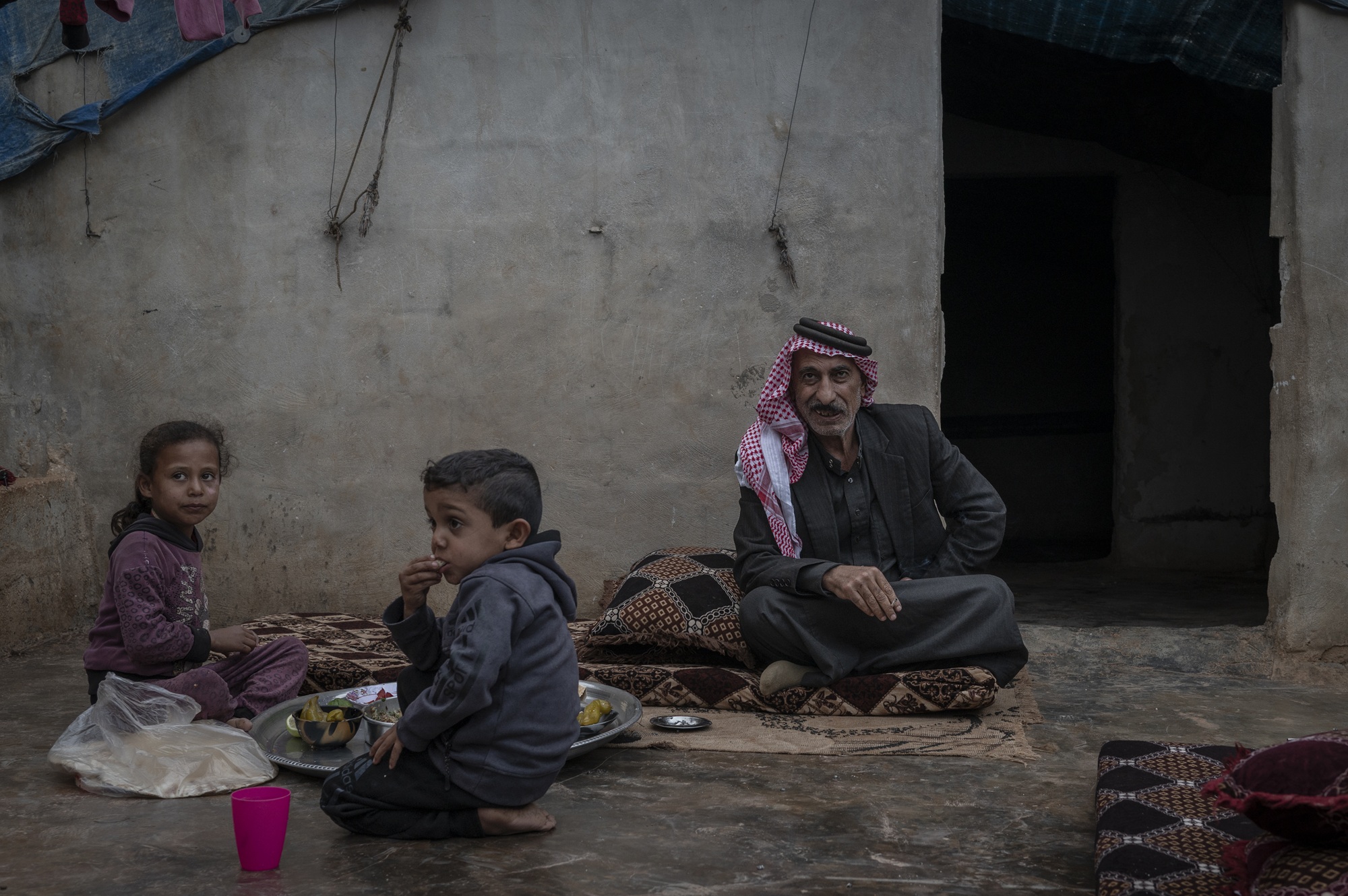
In Atmeh, northwest Syria, families like that of Mustafa Abdelqader are experiencing the dire consequences of this funding cut. Forced from their homes in Hama due to conflict, they rely on dwindling aid to survive. “We’re left with no aid, just a little food trickling in,” Abdelqader shared, highlighting the urgent need for support.
The suspension of aid comes at a pivotal time. The humanitarian landscape in Syria has been already fragile, with over 600,000 deaths and more than 100,000 people missing since the war began. The impact of USAID cuts has been immediate and devastating; hospitals and clinics are struggling to provide even basic health services. “The funding cuts were brutal,” stated Mohamed Fadel, director of the Sarmin Health Center in Idlib, where medical staff have gone without supplies for months.
The situation in refugee camps is equally dire. In Atmeh, residents report living in squalor with limited access to clean water. “We barely get food items, but we’ve reduced our meals to just one plate a day,” said Abu Muhammad, a father of six. As winter approaches, families are left without heating fuel, relying on dangerous methods to keep warm. “The children collect garbage during the day to light it at night,” he added, emphasizing the human toll of these cuts.
With the recent political shifts, including the rise of Ahmad al-Shara as the head of a transitional government, the urgency for international aid has never been greater. However, the cuts are undermining stabilization efforts. “We’re at a critical moment where international aid is key to the success of this transition,” said Mahmoud, a humanitarian consultant.
Authorities confirm that humanitarian organizations are facing significant operational challenges. As services vanish, the threat of disease outbreaks looms larger. “80 percent of WASH [water, sanitation, and hygiene] services have stopped,” explained Abu Ali, a former humanitarian worker. The contamination of water sources is leading to increased health risks for the population.
The ripple effects of these cuts extend beyond immediate needs. With 3.5 million displaced people in Idlib alone, the healthcare infrastructure is collapsing. Clinics funded by organizations like Relief International are closing, leaving many without access to vital medical services. “Now, there are no clinics in the area, which increases the chances of new outbreaks,” Abu Omar, a clinic director, warned.
As the winter sets in, the urgency for action is critical. The international community faces a pressing call to restore funding and support humanitarian efforts. Without immediate intervention, millions of Syrians will continue to suffer from hunger, disease, and a lack of basic necessities.
The funding cuts are not just a numbers game; they represent the lives and futures of families like Mustafa Abdelqader’s, who are caught in a cycle of desperation. The humanitarian landscape in Syria is on the verge of collapse. Immediate action is needed to avert a full-scale disaster.
Next steps: Humanitarian organizations are calling for renewed support and funding to address the escalating crisis. With winter approaching, the need for aid is more urgent than ever. The world is watching as Syria faces yet another tumultuous chapter in its long journey toward recovery.